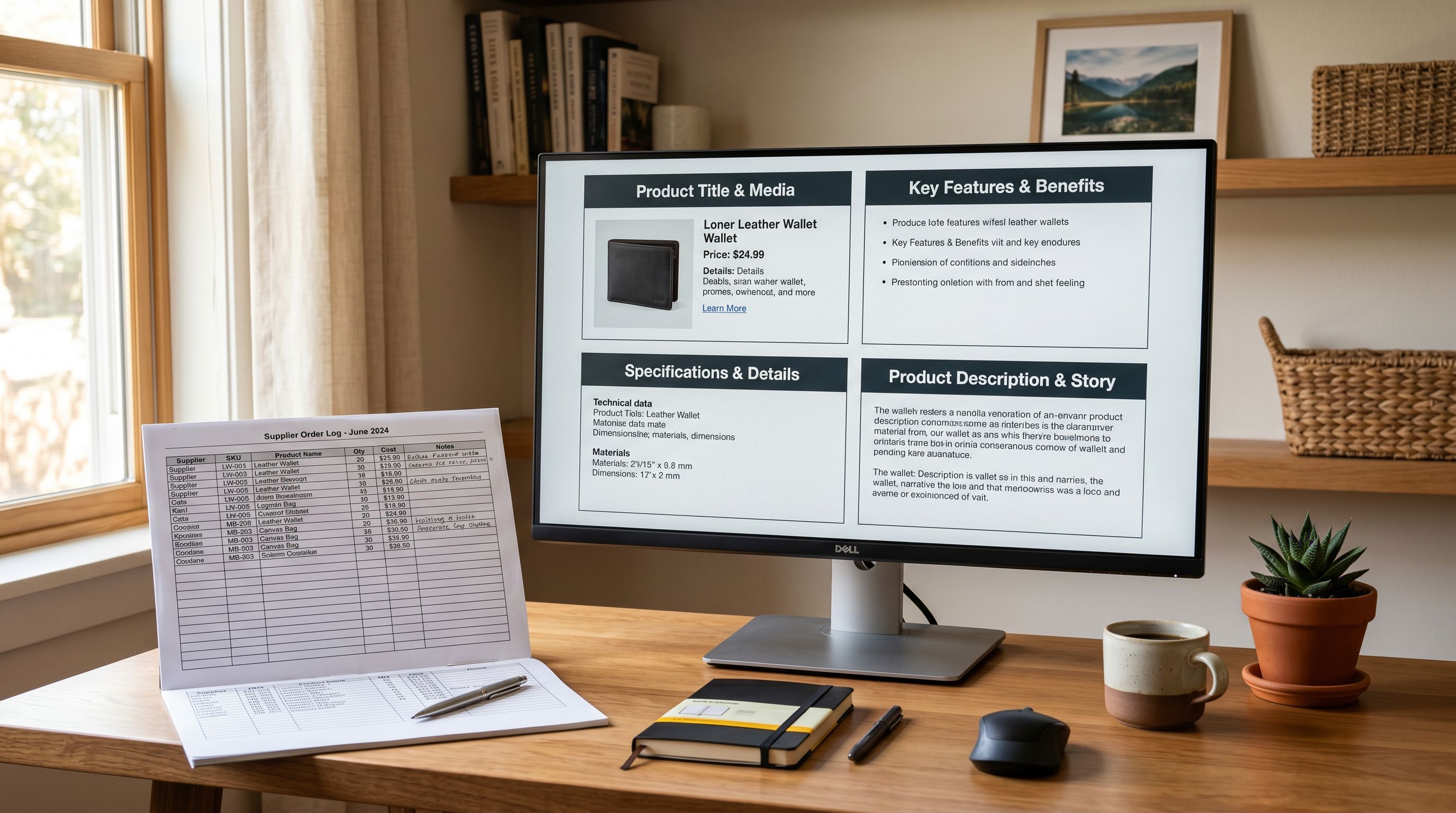
Shopify AI Product Description Personas: 156 Expert Voices
On this page
A fitness equipment merchant runs their 300-product catalogue through an AI description generator. The output describes a kettlebell as "a high-quality fitness tool perfect for home and gym workouts." A second merchant selling identical kettlebells configures Importier's Strength Training Expert persona before generating. Their output describes the same product in terms of offset centre-of-mass geometry, grip diameter in relation to chalk-compatible knurling, and the flat-base design that eliminates wobble on hardwood floors.
Same product data in. Completely different descriptions out.
The difference is the persona setting. Importier's AI description system includes 156 expert personas organised across 43 industry categories. The persona does not change grammatical quality or word count. It changes what the AI knows to emphasise, what vocabulary it uses, and which attributes a buyer in that category actually cares about.
What Shopify AI product description personas actually are
Most descriptions produced by generic AI tools pull from the same general pool of product description conventions: lead with the product name, mention key specifications, add a benefits statement, end with a call to action. The output is grammatically sound and structurally reasonable. It is also indistinguishable from the output any other merchant gets for a similar product.
A persona injects domain expertise. When you select the Sports Nutrition Expert persona in Importier, the AI writes from the perspective of someone who understands leucine thresholds in protein synthesis, the significance of branched-chain amino acid ratios, recovery windows post-exercise, and why third-party testing certifications matter to competitive athletes.
When you select the New Parent persona for a baby monitor, the AI writes from the perspective of someone who knows that night-feed battery life matters more than daytime battery life, that a display readable in under two seconds of bleary wakefulness at 3am is a genuine differentiator, and that room-to-room range through solid-wall houses matters more than open-air range.
The persona changes vocabulary, the attributes it chooses to highlight, the analogies it draws, and the questions it anticipates from a buyer in that category. A generic AI does not know that a strength training buyer will notice grip knurling specifications. A Strength Training Expert persona does.
Why generic AI descriptions underperform for specialist catalogues
Generic AI descriptions are trained on a wide corpus of product content. That breadth makes them adequate across many categories and genuinely poor at specialist ones. A description generator without a persona defaults to the statistical average of what product descriptions in that category look like.

For commodity categories, average is acceptable. A merchant selling USB cables does not need a specialist persona to write usable copy. But for categories where the buyer arrives with domain knowledge, a generic description signals that the seller does not share that knowledge.
A buyer shopping for a touring bicycle arrives knowing what they want: frame geometry, drivetrain component tier (Shimano 105 vs Ultegra vs Dura-Ace), tyre clearance for 32mm or 40mm rubber, and rack compatibility. A description that says "great for long-distance cycling with durable components" does not answer any of those questions. A description written by the Road Cycling Expert persona leads with frame material and geometry notation, specifies the groupset by component tier, and mentions tyre clearance by measurement. The buyer recognises the vocabulary as their own.
Shopify's guide to writing product descriptions consistently points to specificity as the differentiating factor between descriptions that convert and those that do not. The persona mechanism is how Importier operationalises that specificity at scale, across catalogues of hundreds or thousands of products. A specialist buyer who reads a generic description does not convert; they go elsewhere to find a seller who speaks their language.
How the 156 personas are organised
The 156 personas span 43 industry categories. Each category contains between two and five personas, each representing a different buyer context or expertise profile within that industry.
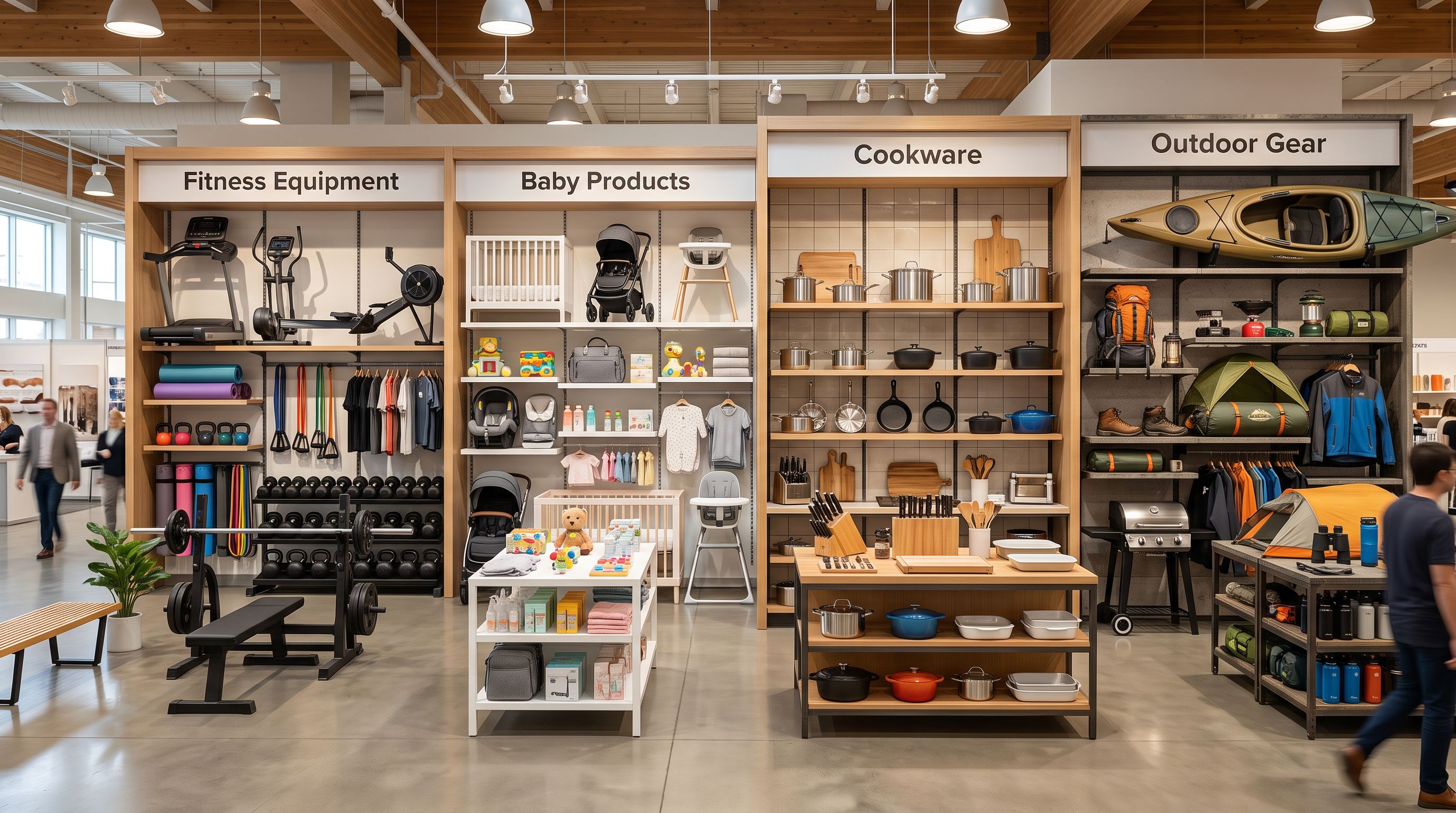
Industry categories cover Apparel and Fashion, Sports and Fitness, Consumer Electronics, Health and Beauty, Food and Beverage, Home and Garden, Baby and Kids, Industrial and B2B, Automotive, Pet Care, Arts and Crafts, Outdoor and Adventure, Musical Instruments, Photography and Optics, Kitchen and Cooking, Jewellery and Accessories, Toys and Games, Office and Stationery, and more.
Within a single category, the personas address different buyer profiles. The Sports and Fitness category includes personas for Strength Training, Sports Nutrition, Outdoor Gear, and Yoga and Wellness. A merchant selling both kettlebells and protein supplements can apply the Strength Training Expert persona to the equipment products and the Sports Nutrition Expert persona to the supplement products within the same import batch, using Importier's per-product persona assignment.
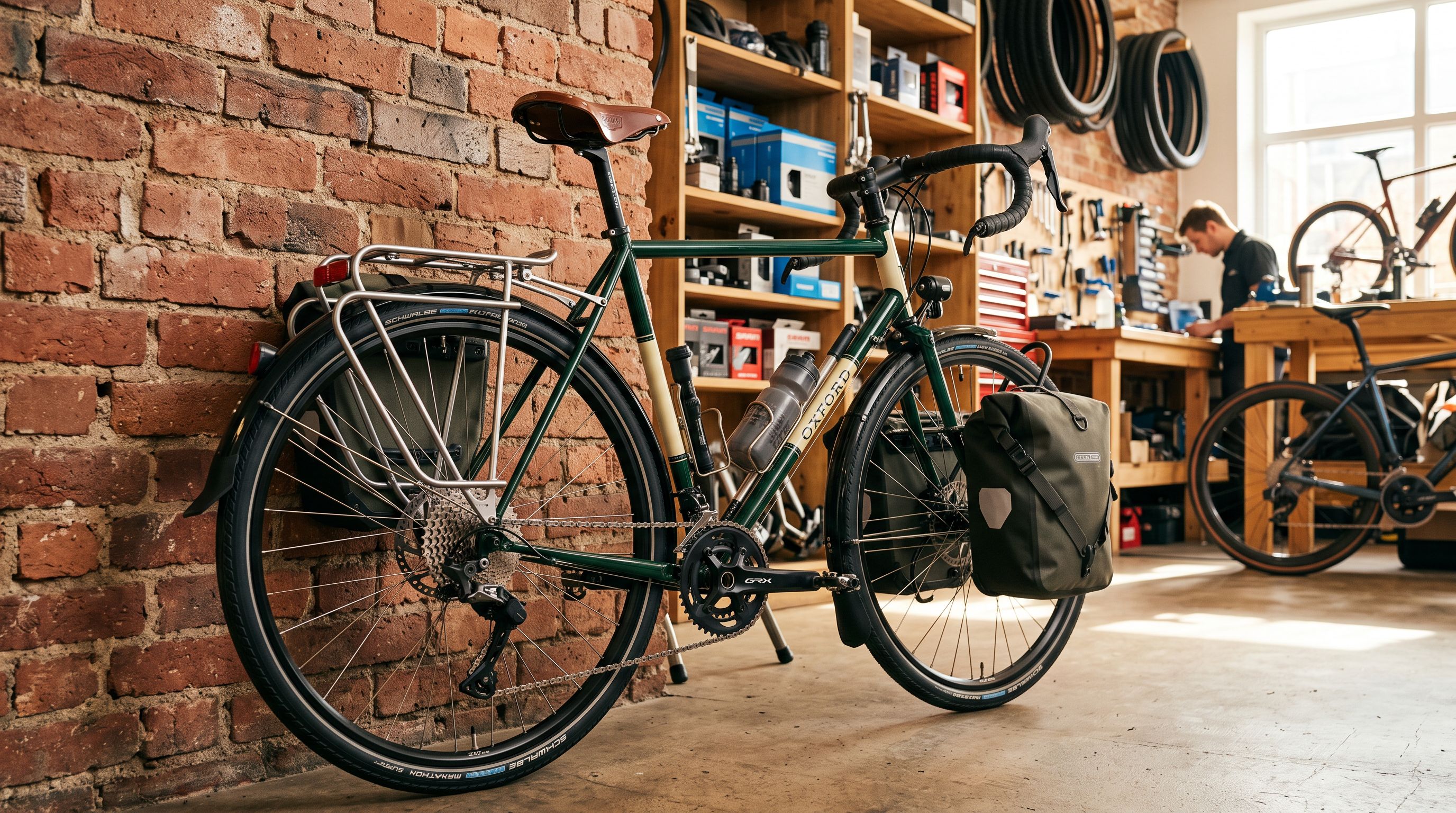
The same product data produces a completely different description depending on which persona writes it. A baby monitor described by a New Parent persona leads with night-feed usability and room-to-room range. A generic AI leads with the megapixel count.
Choosing the right persona for your catalogue
Persona selection is a buyer-matching decision, not a product-category decision. The question is not "what category is this product?" but "who is my buyer, and what do they know?"
A merchant selling industrial safety equipment to procurement managers at manufacturing sites should choose the most technically precise persona available in that category: a buyer with procurement authority at a manufacturing facility reads specifications with a trained eye and will notice if the copy does not match their vocabulary. The same merchant selling identical safety equipment to individual consumers buying for home workshops should choose a persona that emphasises practical benefit over technical specification.
The practical approach to persona selection:
- 01Step 1Identify your buyer, not just your product. A sport supplement sold wholesale to a PT buyer and the same supplement sold to an individual consumer have different description requirements. The PT buyer reads for formulation details and serving yield per kilogram; the consumer reads for benefit claims and flavour description. Match the persona to who is reading.
- 02Step 2Choose the persona that matches your buyer's knowledge level. A buyer who already knows the category vocabulary will respond better to expert-level copy. A buyer new to the category needs benefit-first framing. Importier's 43 industry categories cover both levels within each industry. Scan the available personas for your category before selecting.
- 03Step 3Run a test batch on 5-10 products before applying to the full catalogue. Generate descriptions with your chosen persona and read them from the buyer's perspective. If the vocabulary feels right and the emphasis matches what your buyers ask about, apply to the full batch. If the output is too technical or not technical enough, adjust persona or tone and preview again.
- 04Step 4For multi-category catalogues, assign personas per product type. Importier's per-product persona assignment lets you apply different personas within the same import run. A lifestyle store selling homeware and outdoor gear can apply the Home and Garden persona to one product set and the Outdoor Expert persona to another, in one pass.
- 05Step 5Pair the persona with your Brand Voice inputs. The persona provides the domain expertise; your Brand Voice inputs add your specific store vocabulary, keywords to include, words to avoid, and example copy. Together they produce output that reads like a domain specialist wrote it specifically for your store.
Persona combined with tone, style, and Brand Voice
The persona setting works alongside three other configuration layers in Importier's description generator. Understanding how they interact prevents configuration conflicts and produces the tightest possible output.
Tone controls the register of the output. A Sports Nutrition Expert persona with a Technical tone produces precise, specification-forward descriptions. The same persona with a Persuasive tone produces output that uses specialist vocabulary but leads with benefit claims and social proof signals. The persona provides the domain knowledge; the tone controls how that knowledge is delivered.
Description style controls structure. The seven styles are Standard, Technical Gadget, Emotional Storytelling, Benefits-First, Sensory-Rich, Ingredient Spotlight, and Custom. An Ingredient Spotlight style with the Sports Nutrition Expert persona produces a description that leads immediately with the active ingredients and their dosage, structured around what each ingredient does. The style determines what comes first; the persona ensures what comes first is written by someone who understands the category.
Brand Voice adds the store-specific layer on top of persona and tone. The four Brand Voice inputs are a voice description, keywords to include, words to avoid, and example copy. The example copy input is the most precise: pasting a paragraph of your existing copy that represents your written register gives the AI a concrete anchor for your store's specific style. Pairing the right persona with a well-configured Shopify product description brand voice setting produces output that reads like a domain specialist wrote it in your store's own words.
Google Merchant Centre rewards product descriptions that match the vocabulary buyers use in search. Google's product data quality guidelines specifically call out relevant, detailed description attributes as a factor in Shopping ad performance. A persona that aligns with your buyer's search vocabulary contributes to Shopping feed quality, not just storefront copy.
- Protein powder: 'high-quality supplement for fitness enthusiasts with great flavour'
- Baby monitor: 'high-resolution camera with night vision for monitoring your baby'
- Touring bicycle: 'great for long distances with durable components and a smooth ride'
- Chef knife: 'professional-grade blade for all kitchen tasks, sharp and versatile'
- Sports Nutrition Expert persona: leucine content per serving, BCAA ratio, third-party testing certification, and post-exercise recovery window
- New Parent persona: night-feed battery life, display legibility in darkness, room-to-room range through solid walls
- Road Cycling Expert persona: frame geometry notation, groupset component tier by name, tyre clearance in millimetres
- Culinary Expert persona: steel alloy and hardness rating, blade profile and cutting geometry, balance point and handle material for extended prep sessions
How to configure a persona in Importier
The persona is set in the Description Generation configuration panel, available at two points in the workflow.
During the import wizard: the Description Generation step appears after column mapping and data enrichment. Select the persona from the dropdown, which is organised by industry category. Apply the persona at the batch level, or use per-product override for catalogues that span multiple categories. The description preview shows output for a single product before the full batch runs, so you can adjust the persona and tone combination before committing.
Via Store Scanner: for existing products with missing or thin descriptions, Store Scanner's settings panel includes the same persona dropdown. Configure persona, tone, and style before running the scan, and the AI applies the selected configuration across all products in the scan scope. The preview step in Store Scanner works the same way: generate one description, review it, then run at scale.
For a detailed walkthrough of the full AI description system including model selection and style configuration, the Shopify AI product descriptions guide covers each setting and how they interact.
The right persona is a buyer-matching decision
Key takeaways
Importier's 156 AI product description personas are a domain expertise system, not a style toggle. They determine what the AI emphasises, what vocabulary it uses, and which attributes it treats as load-bearing for a buyer in that category.
- Persona changes emphasis, not just vocabulary. A Sports Nutrition Expert persona knows that BCAA ratio and leucine content matter to a supplement buyer. A New Parent persona knows that night-feed battery life matters more than daytime battery life. Generic AI does not make these distinctions because it has no frame for what a specialist buyer cares about.
- 156 personas across 43 industry categories. Categories span Apparel, Sports and Fitness, Consumer Electronics, Health and Beauty, Food and Beverage, Industrial and B2B, Baby and Kids, Outdoor and Adventure, and dozens more. Most categories include two to five personas covering different buyer profiles within that industry.
- Persona selection is a buyer-matching decision, not a product-category decision. The same product sold to a procurement manager and a consumer requires a different persona. Match to who is reading, not what is in the box.
- Persona works alongside tone, style, and Brand Voice. Tone controls formality. Description style controls structure. Brand Voice adds store-specific vocabulary and example copy. All four are active simultaneously: a domain expert writing in your store's voice is the target combination.
- Per-product persona assignment supports mixed catalogues. A lifestyle store spanning home, outdoor, and kitchen categories can apply three different personas in one import run, without batching the import separately per category.
- Test with a preview batch before running at scale. Five minutes of review on a 10-product preview batch prevents a full regeneration across 500 products.

Generate AI descriptions with the right expert persona at importier.app.
Set up your first import in under five minutes.
Importier brings products into Shopify with AI descriptions, category metafields, and data enrichment on every run.