Shopify Products for Voice Search and AI Assistants
On this page
Shopify Products for Voice Search and AI Assistants
Voice search does not return a list of results for the customer to browse. It picks one. When someone asks Siri "find me a waterproof hiking boot under $150 in a UK size 10," the assistant selects a single answer and reads it out. Either your product is that answer or it is not in the conversation at all.
The same principle applies to AI assistants like ChatGPT Shopping and Perplexity. A user asking "recommend a cold brew coffee maker for a small kitchen" receives a recommendation, not a grid of results. AI assistants pull those recommendations from structured product data on merchant pages. Products that win these queries have: complete FAQ sections that directly answer buyer questions, specific AI-generated descriptions from which the assistant can extract the right detail, precise attribute-dense titles, and category metafields that give the AI structured data to work with.
None of these are new requirements invented for voice search. They are the same data quality principles that govern performance in Google Shopping, Shopify's own search, and marketplace feeds. Voice and AI assistant readiness is not a separate SEO strategy. It is the outcome of having complete, specific product data.
Why FAQs Are the Voice Search Differentiator
A product description answers "what is this product." A FAQ answers "is this product the right one for my specific situation." Voice queries are almost always the second type of question.
"Is this waterproof?" "Does this come in a UK size 10?" "Will this fit in a carry-on?" "Can I use this on a gas stove?" These are the exact questions that voice users ask, and they are the exact questions that AI assistants evaluate when selecting a product to recommend.
A product page with a description but no FAQ answers the product category question. A product page with a FAQ that directly answers "is this waterproof? Yes: rated IPX7, submersible to 1 metre for 30 minutes" answers the specific buyer question. When an AI assistant or voice search engine is evaluating which product to recommend in response to a waterproofing query, the product with the direct FAQ answer wins over the product whose description vaguely references water resistance.
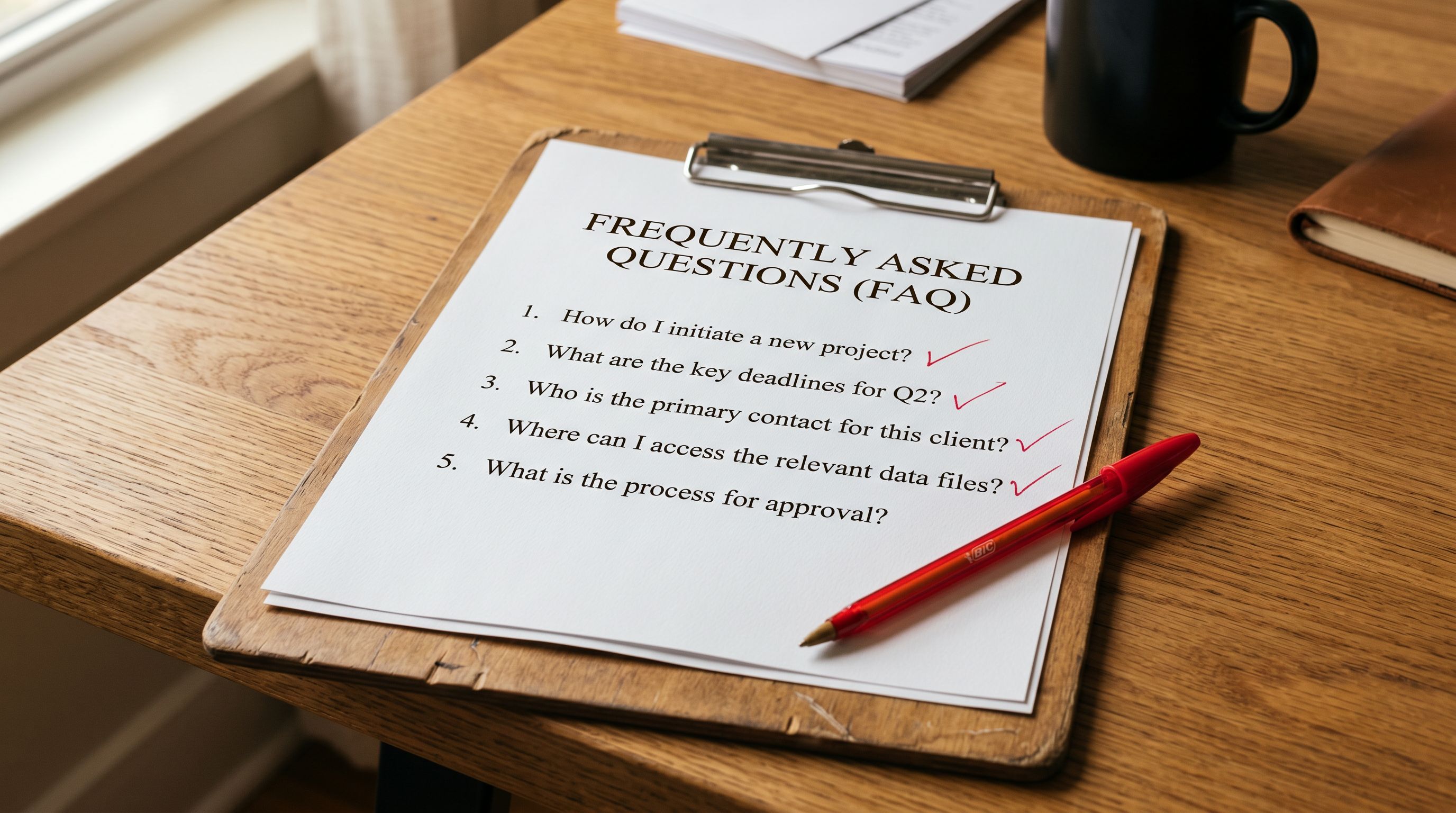
Importier's FAQ Generator produces 2-10 question-and-answer pairs per product, drawn from the product data in the import file. For a hiking boot with a water resistance rating in the supplier data, the generator produces a FAQ entry like "Is this boot waterproof? Yes: the outer is rated [IPX rating] and the seams are sealed, making it suitable for wet trail conditions." The answer is specific, uses the actual product data, and is structured exactly as an AI assistant or voice engine would expect.
AI Description Specificity
Voice search and AI assistant queries are specific. "Red running shoe" is a text search query. "Find me a cushioned road running shoe in red, women's size 8, under $120" is a voice query. The AI assistant evaluates products against the specific criteria in the query.
Descriptions that contain specific, extractable details perform better in this evaluation than descriptions that describe atmosphere or experience. "Engineered mesh upper with 12mm heel-to-toe drop, 28mm stack height, and a cushioned midsole rated for road surfaces" is extractable; an AI can confirm whether this shoe meets the criteria in the query. "This shoe will make every run feel like a new adventure" is not extractable.
Importier's AI descriptions generate specificity from product data. The generator draws on the product attributes in the supplier file (dimensions, materials, ratings, certifications, compatibility specifications) and incorporates them into the description in a structured way. The Technical Gadget and Benefits-First description styles produce the most extractable output for voice and AI assistant use cases: both lead with specific attributes before moving to benefits and lifestyle framing.
The choice of AI model also affects specificity. Across Importier's 18+ models (26 across 4 tiers), the Enterprise-tier models (Claude, GPT-5 Mini) produce descriptions with the most precise attribute integration when the source data is available. For a catalogue where voice and AI assistant discoverability is a priority, using an Enterprise-tier model for high-value products and a faster Growth-tier model for catalogue depth is a reasonable approach.
Voice search selects one answer. The product with the most direct, specific answer to the buyer's question wins, not the product with the most compelling prose.
Category Metafields as Structured Data for AI Assistants
AI assistants do not only read prose descriptions. They also parse structured data from the product page, including Shopify's category metafields and product type fields. A product with a complete metafield structure (material: merino wool, care instructions: machine washable cold, fit: relaxed, country of origin: New Zealand) gives the AI assistant structured facts to match against the buyer's query without needing to extract them from prose.
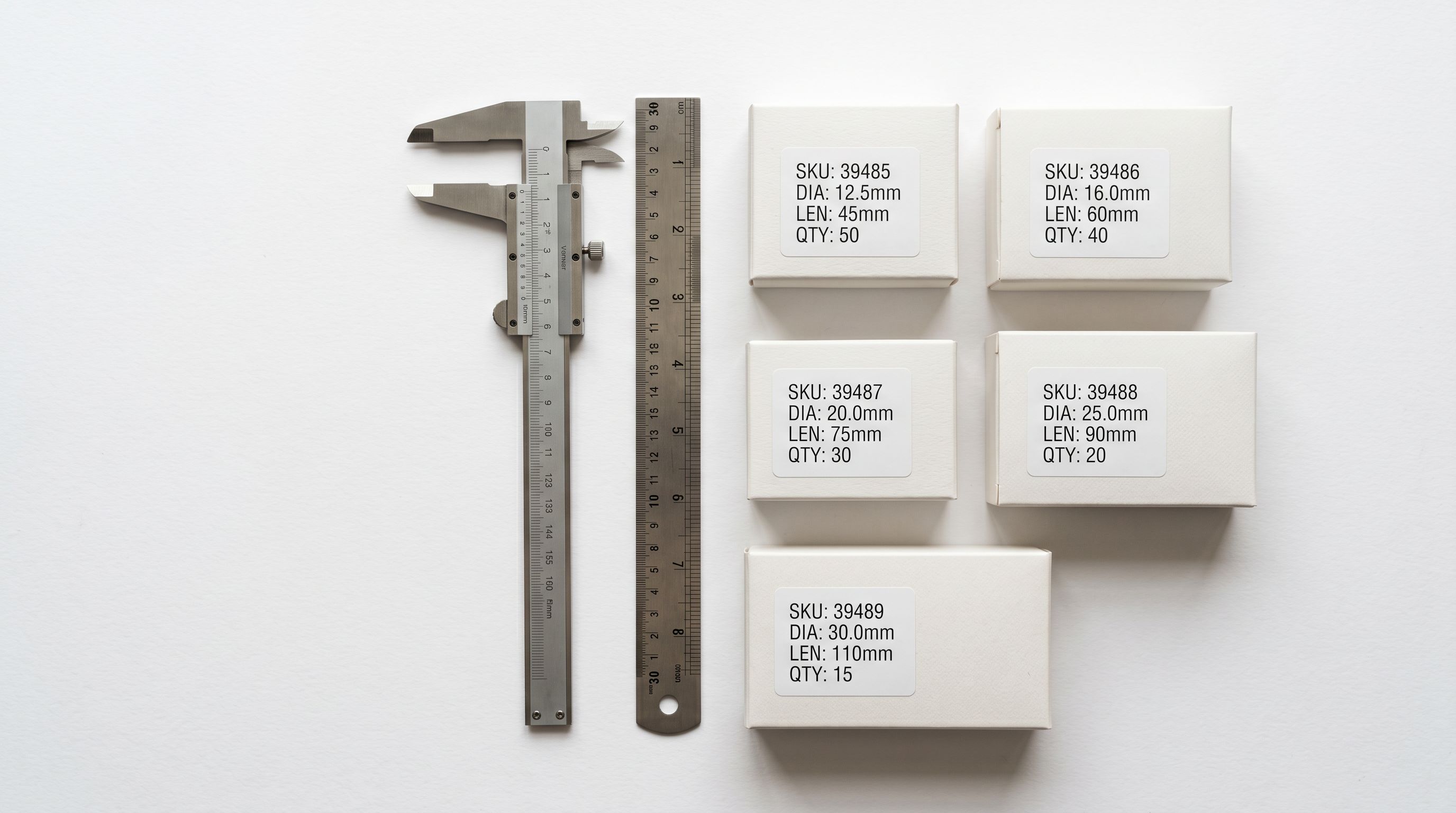
Importier's Industry Packs pre-configure the Shopify category metafield attributes appropriate for each product type. For a merino wool sweater, the relevant pack fills material composition, care instructions, fit classification, and origin fields from the product data in the import file. These fields populate Shopify's taxonomy-aligned metafields, which feed into Google Shopping, and they are also the structured attributes that AI assistants use when evaluating product fit against a specific query.
The agentic shopping guide for Shopify merchants covers how AI shopping agents use structured product data at the catalogue level, including how metafield completeness affects which products an AI agent selects for a recommendation.
Title Optimizer for Voice Precision Queries
Voice queries often contain specific attribute combinations. "Find a USB-C charging cable, braided, 2 metres, white" contains four specific product attributes. A product title that reads "USB-C Cable, Braided, 2m, White, Fast Charge Compatible" contains all four attributes and will match a voice or AI assistant query precisely. A title that reads "Premium USB Cable (Various Sizes)" contains none of the specific attributes.
Importier's Title Optimizer restructures product titles to front-load the attributes most likely to appear in buyer queries. For voice and AI assistant use cases, this means: product type first, then the key differentiating attributes in the order a buyer would specify them (material, size, colour, compatibility). The Google Merchant Centre preset (150 characters) uses this attribute-dense structure by default, and the same attribute ordering that serves GMC also serves voice and AI assistant precision queries.
- Description focuses on lifestyle and atmosphere, not extractable attributes
- No FAQ section: buyer questions unanswered
- Generic title: brand + name only, no attributes
- Category metafields empty or partially filled
- AI assistants cannot extract specific answers to buyer queries
- AI description (Technical or Benefits-First) leads with extractable product attributes
- FAQ Generator: 2-10 Q&A pairs directly answering buyer questions (waterproof? size range? compatibility?)
- Attribute-dense title: product type + key differentiators in query order
- Industry Pack fills category metafields: material, fit, care, origin, certifications
- AI assistants can match product to specific voice query criteria directly
Applying This in Importier
The Voice-Ready Import Workflow
Preparing a Shopify catalogue for voice search and AI assistant discoverability does not require a separate workflow from a standard import. It requires making full use of the import features that produce specific, structured product data.

At import time:
Configure the Industry Pack for the product category. The pack fills category metafields from the product data in the supplier file. For an apparel import, this means material, care, fit, and origin fields are populated during the import rather than requiring manual entry after. Structured metafields are parseable by AI assistants; text-only descriptions are not.
Select Technical Gadget or Benefits-First description style for products where buyers ask specification questions. Both styles lead with specific attributes and are more extractable than Sensory-Rich or Emotional Storytelling for AI query evaluation. For products where the purchase is driven by specification matching (electronics, footwear, outdoor gear), Technical Gadget is the better choice.
Enable the FAQ Generator at import time. Set the count to 4-6 questions per product for standard products. For high-value or technically complex products, use 8-10. The generator produces questions drawn from the product category and data; for a waterproof jacket, it will produce questions about the waterproofing rating, the breathability rating, the care instructions, and the appropriate use conditions. These are exactly the questions voice users and AI assistants evaluate.
Run the Title Optimizer GMC preset after import. The 150-character attribute-dense format it produces is well-suited to voice precision queries. Product type front, then brand if established, then key attributes in descending specificity order.
For the full guide to FAQ generation and how to configure question count, category awareness, and append versus replace modes, the Shopify product page FAQ guide covers the FAQ Generator in detail. The Shopify AI shopping guide covers how AI shopping channels evaluate product data when selecting recommendations, which overlaps significantly with voice assistant evaluation.
- 01Install the Industry Pack for the relevant product category before importing. The pack configures the Shopify category metafield attributes that AI assistants and voice search engines read as structured data. For each product category you sell, install only the relevant pack; metafields for categories you do not sell add noise without benefit.
- 02Choose Technical Gadget or Benefits-First as the description style for products where buyers ask specification questions. These styles produce descriptions with the specific, extractable attributes that AI assistants match against buyer queries. Use Sensory-Rich for products driven by experience rather than specification matching.
- 03Enable the FAQ Generator at import time and set question count to 4-6 for standard products, 8-10 for technically complex or high-value products. The generator draws questions from the product category and data; the output covers the buyer questions that voice and AI assistant users are most likely to ask about products in that category.
- 04Run the Title Optimizer GMC preset after import. The 150-character attribute-dense format (product type, brand, key attributes) matches the specific attribute combinations that voice queries contain. A title with four queryable attributes beats a title with one.
- 05For existing catalogues, use Store Scanner to identify products with no FAQ, then run the FAQ Generator across those products. Existing products without FAQ sections are invisible to voice queries that ask direct questions about product specifications, compatibility, or suitability.
Google's guidance on structured data for voice search covers the speakable schema and how Google Assistant uses structured markup to select content for voice responses. Perplexity's product discovery methodology describes how Perplexity's shopping recommendations are built from indexed product data, including which fields the system uses to evaluate product-query fit.
Try Importier free at importier.app
Set up your first import in under five minutes.
Importier brings products into Shopify with AI descriptions, category metafields, and data enrichment on every run.