Shopify Private Label Product Import: Brand Voice at Scale
On this page
A candle brand imports 80 SKUs from their contract manufacturer. The manufacturer's specification sheet lists each product precisely: "Soy wax blend, cotton wick, 200g, burn time approximately 40 hours, fragrance load 8%, glass vessel." That is what goes into Shopify. The product pages describe exactly what the candle is. They do not describe what the brand is.
A competitor sells a candle made by the same manufacturer with the same specification. Their Shopify page says the same thing. At the same price point, the customer has no reason to choose one over the other. The brand that spent three years building a product range is competing on price rather than value.
The shopify private label product import problem is not a data problem. The specification is accurate. The problem is that manufacturer data describes the object and the brand describes the experience. Those require different language, and most import workflows only bring in the object.
Why Manufacturer Spec Sheets Produce Generic Product Pages
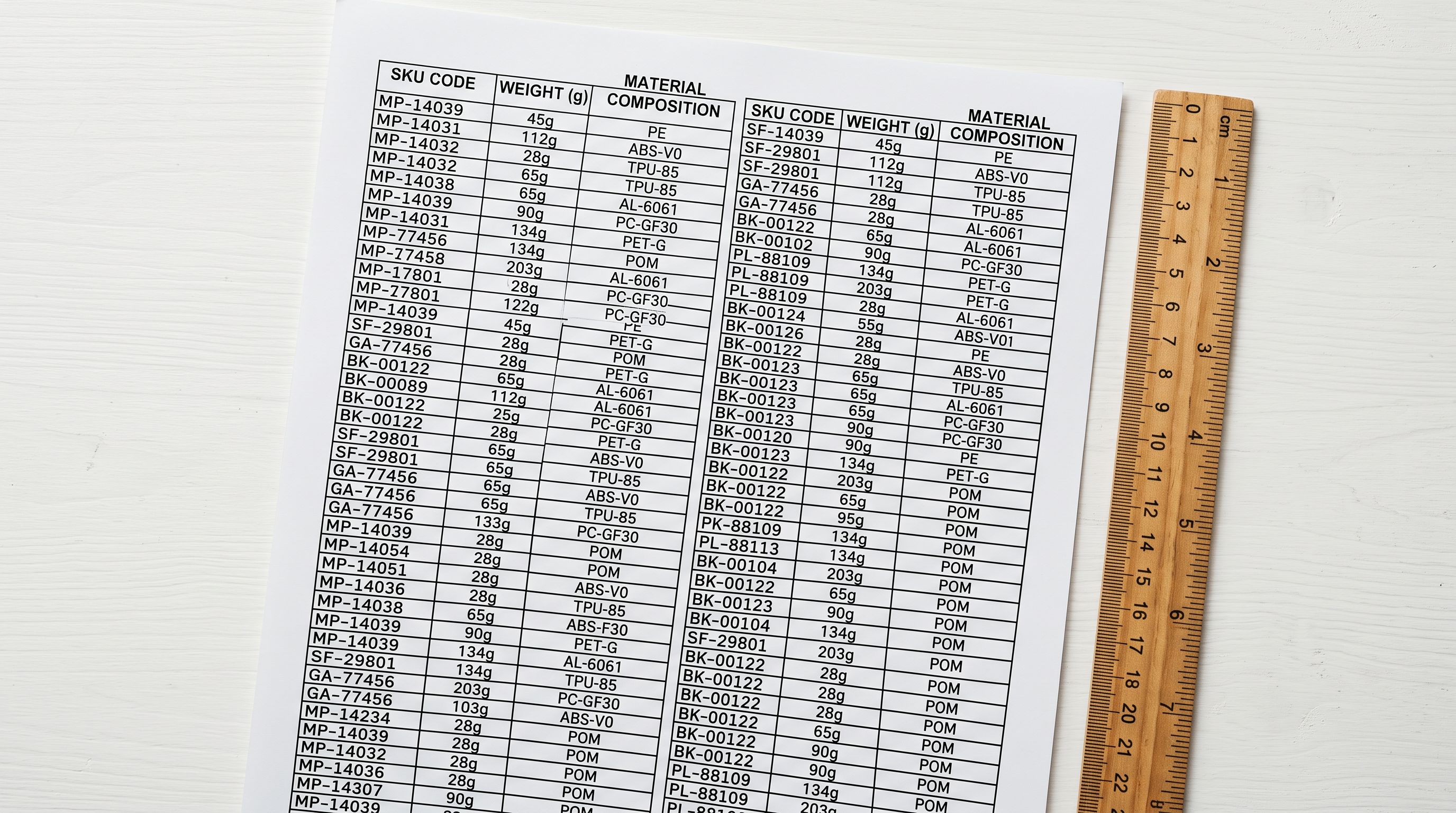
When a private label merchant imports from their manufacturer's data sheet or catalogue, they receive what the manufacturer documents: dimensions, materials, capacity, weight, and technical specifications. These fields are accurate and necessary. They are not differentiating.
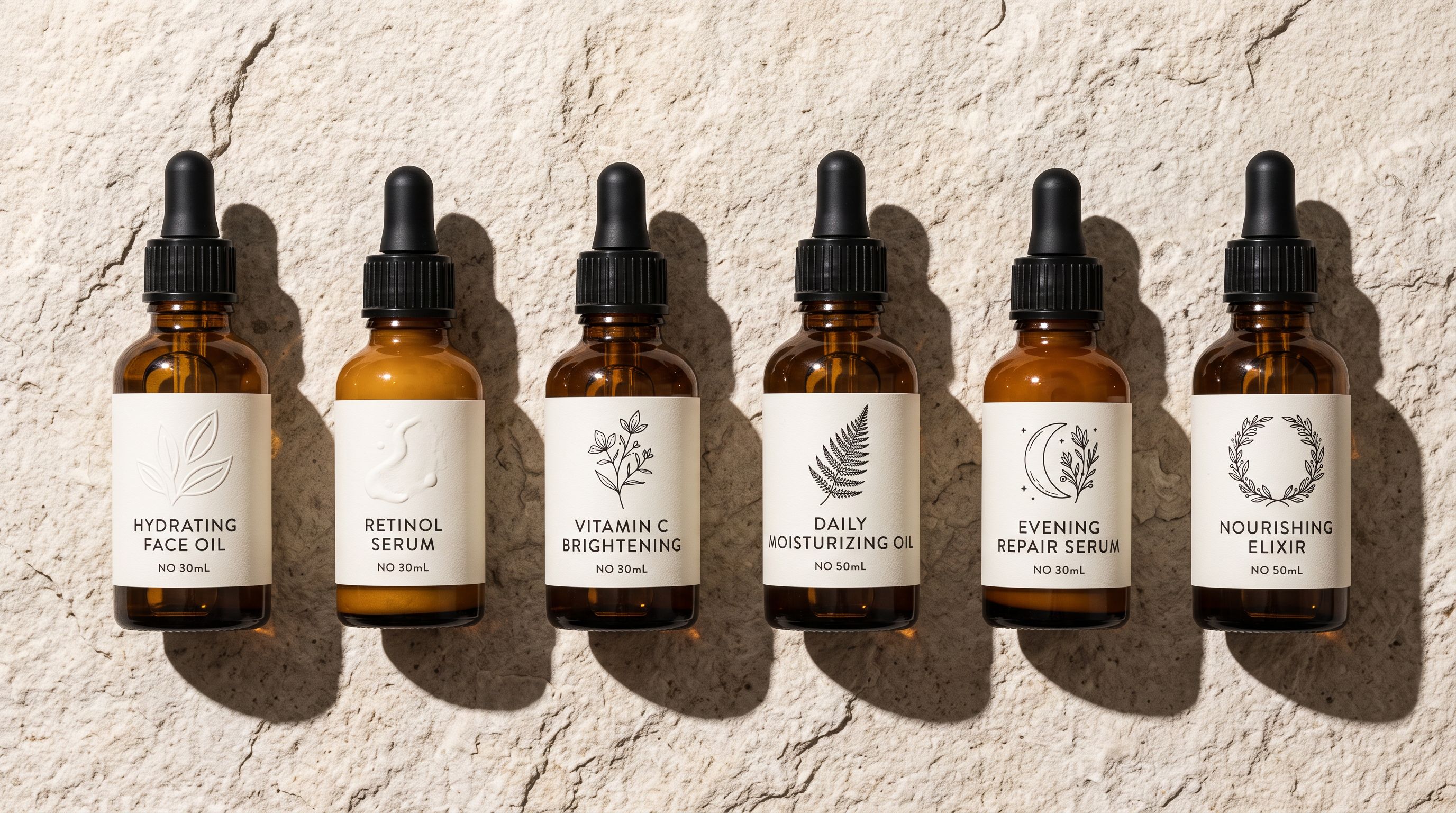
A brand that sells premium bath products describes the same physical bar of soap differently to a commodity supplier describing it for a wholesale catalogue. The commodity description says "shea butter soap, 100g, lavender scent, moisturising formula." The brand description says "a 100g bar rich with cold-pressed shea butter and Tasmanian lavender oil, designed for dry skin that needs overnight recovery, not a quick morning wash."
Same product. Same specifications. Completely different signal to the customer.
Manufacturer-sourced language carries three problems for shopify private label product import:
Generic terminology. Manufacturers describe products using industry-standard terms that apply equally to all products in their range. "High-quality construction" and "durable materials" describe every product they make, not yours specifically.
No audience framing. A manufacturer sells to buyers, not end customers. Their descriptions explain what the product is, not why the customer needs it or how it fits their life.
Missing proprietary language. A private label brand typically has terms, phrases, and positioning that are theirs specifically: a named material ("BioLinen weave"), a certification they hold ("Certified Regenerative Cotton"), or a quality metric they have defined ("our 72-hour freshness standard"). None of this appears in the manufacturer's file.
What a Complete Shopify Private Label Import Requires
According to Shopify's own guidance on private label businesses, the primary advantage of private labelling is brand control: you define how the product is presented, positioned, and differentiated. That control is only realised if the product content reflects the brand, not the manufacturer.
A complete shopify private label product import requires two layers of content:
Layer 1: Manufacturer data. The accurate specification fields the manufacturer provides: weight, dimensions, materials, capacity, SKUs, barcodes. These import correctly from the manufacturer's file and do not need rewriting; they are the factual product record.
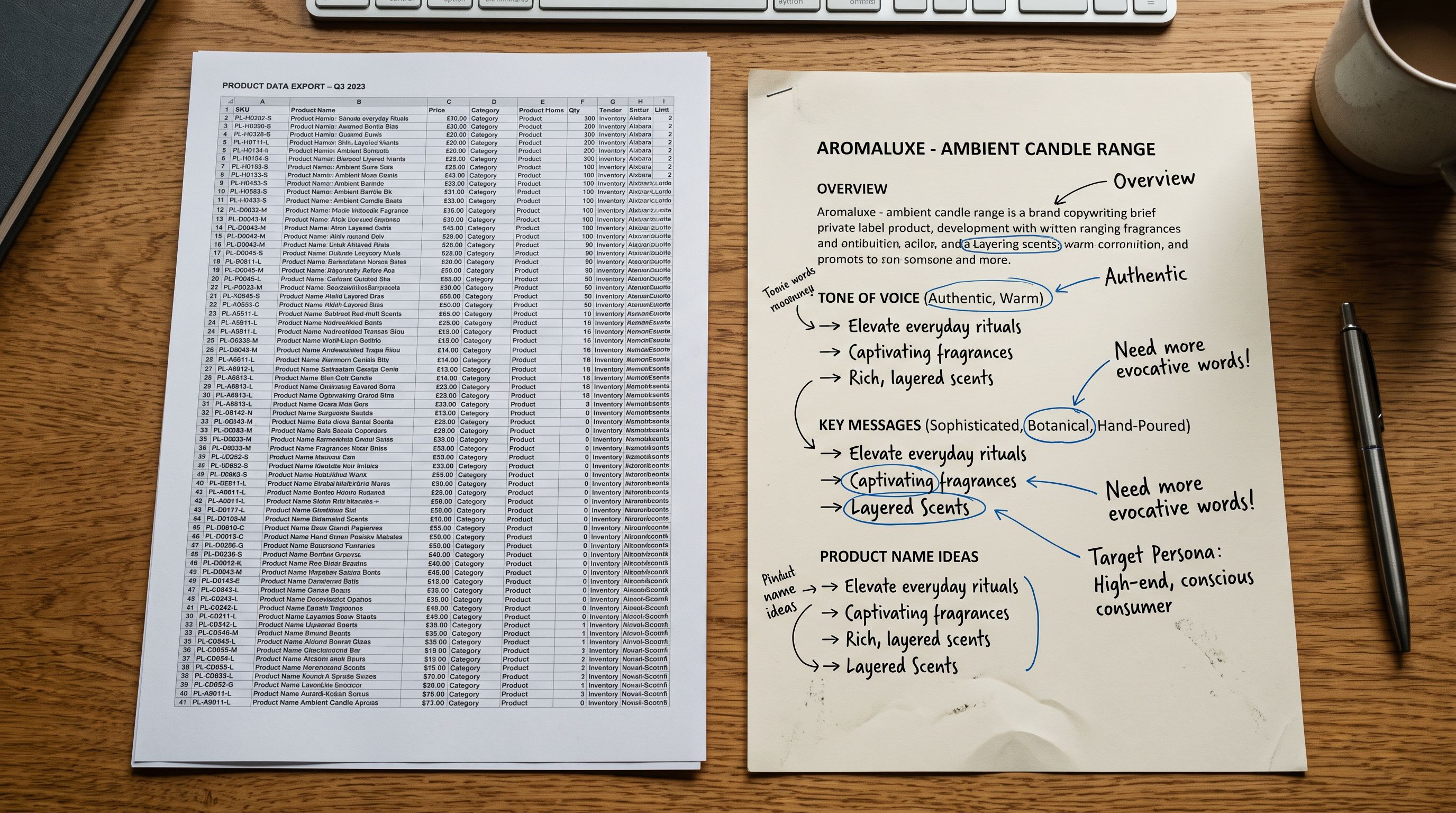
Layer 2: Brand content. The descriptions, titles, and structured attributes that reflect the brand's positioning. These are generated, not imported. The manufacturer has no knowledge of your brand voice, your audience, or your positioning; they cannot provide this layer.
Most import tools handle Layer 1 only. The brand content layer requires an AI generation step configured with the brand's specific parameters.
Brand Voice at import time
Configuring Brand Voice for Private Label Products
Importier's Brand Voice feature stores four inputs that modify every AI-generated description for a connected Shopify store:
Brand description. A one-paragraph definition of what the brand stands for, who it serves, and what it avoids. This is not a product description; it is the frame through which every product is described. A premium skincare brand might write: "We make concentrated formulas for people who have tried everything and want results, not rituals. Our customers are time-poor, evidence-driven, and have sensitive skin that has reacted badly to fragrance-heavy products before."
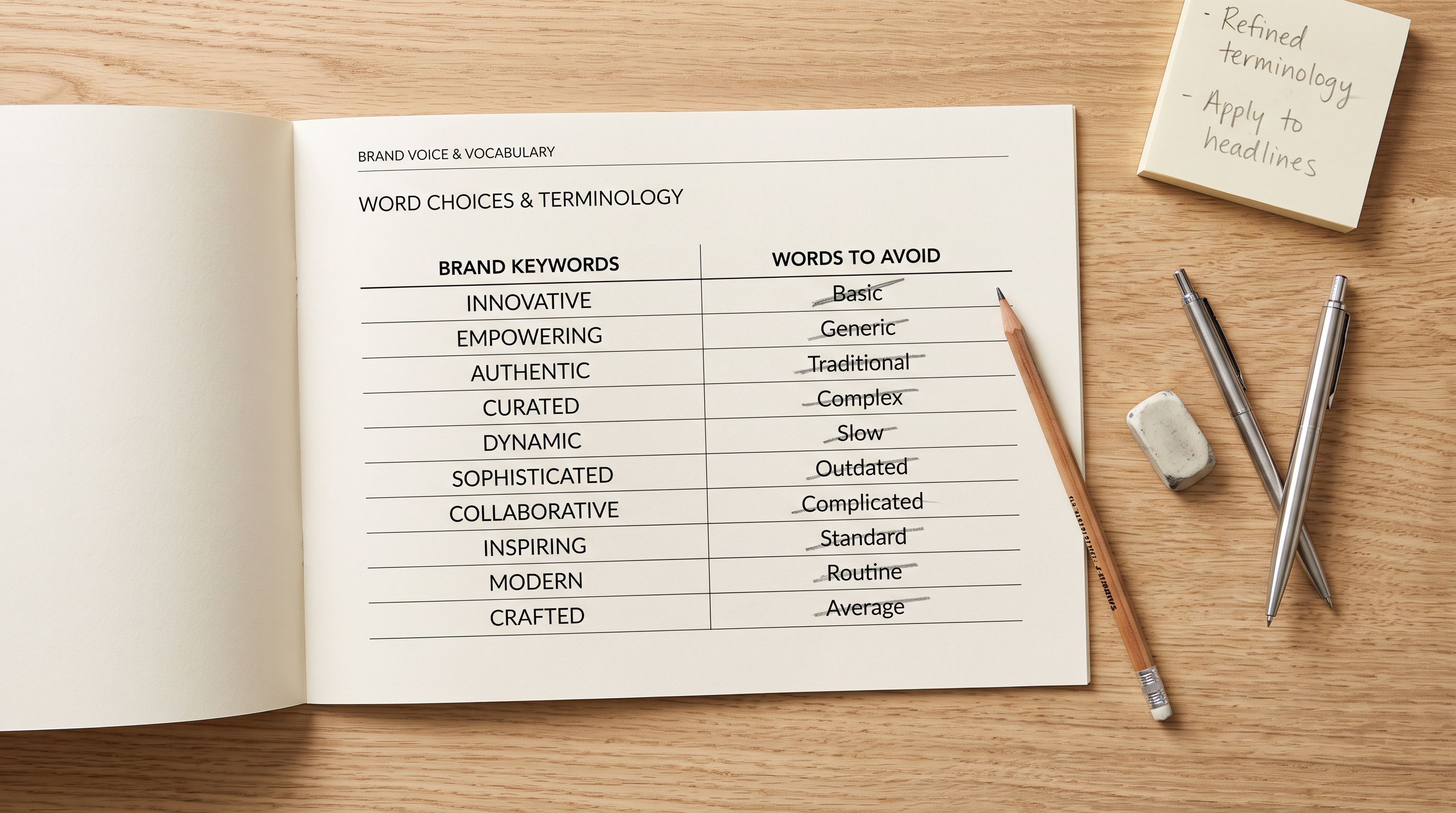
Keywords. Terms the brand uses that should appear in descriptions consistently. For a private label textile merchant: "precision weave", "breathable structure", "hand-finished". These are sourced from the brand's own marketing, not from the manufacturer.
Avoid words. Commodity terms that undermine the brand's positioning. A luxury candle brand avoids: "affordable", "value", "multipurpose". A performance nutrition brand avoids: "gentle", "mild", "soothing". These words belong to other brands in the category, not this one.
Example phrases. Two or three sentences written in the brand's actual voice, taken from existing brand copy that works. The AI uses these as structural and tonal reference rather than relying on generic description patterns.
With Brand Voice configured, the same manufacturer specification input produces a different output. "Soy wax blend, cotton wick, 200g, burn time 40 hours, lavender" generates a description that uses the brand's terminology, avoids the commodity language, and frames the product for the brand's specific customer, without the merchant writing 80 individual descriptions.
- 01Map all manufacturer specification columns in Importier's import wizard. Map weight, dimensions, materials, SKU, barcode, and any other specification fields from your supplier file to their Shopify equivalents. These are the accurate Layer 1 fields that import as-is.
- 02Configure Brand Voice before running AI generation. Open Importier's Brand Voice settings for your store. Write your brand description as a paragraph about your customer and your brand's positioning. Add your proprietary terms to the Keywords field and commodity terms to the Avoid Words field. Pull 2-3 sentences from your existing brand copy that best represent your voice for the Example Phrases field.
- 03Select the description style suited to your product category. Private label lifestyle and home goods work well with Emotional Storytelling or Sensory-Rich styles. Health and wellness products suit Benefits-First. Avoid Standard style for private labelit uses neutral, category-typical language that works against differentiation.
- 04Run AI generation for the full import batch. Importier generates descriptions for every product in the batch using your Brand Voice configuration as the generation frame. Review 5-10 descriptions from across the range to verify the voice is consistent.
- 05Assign Industry Pack attributes for proprietary specifications. For materials, certifications, or specifications that belong in structured metafields rather than description prose, map them via the relevant Industry Pack or as custom metafields. These become filterable and searchable attributes that support collection page SEO.
Proprietary Specifications as Metafields, Not Prose
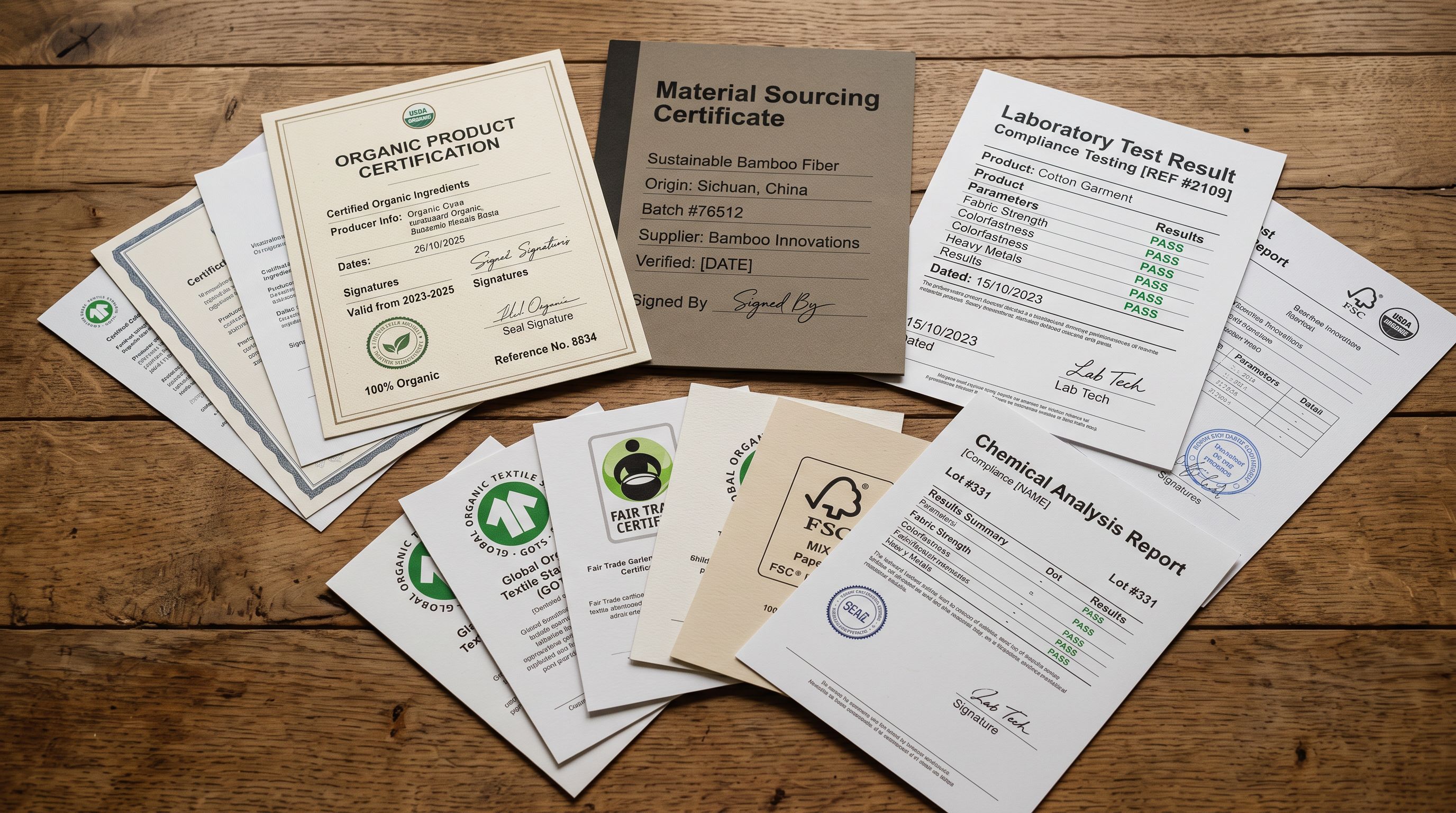
Private label products frequently have specifications that have no standard field in Shopify's product schema: a proprietary blend ratio, a certification number, a lab result, a source region identifier. These cannot go in description prose; they get buried. They need to be structured data that customers can filter by and that feeds into Google Merchant Centre's attribute requirements.
Shopify metafields are the standard mechanism for storing custom product data that extends beyond the core product record. Importier's 22 Industry Packs include attribute types designed for these specifications: the Health and Wellness pack includes test result fields, certification references, and ingredient concentration data; the Apparel and Accessories pack includes fibre composition, care instruction classifications, and sourcing certifications.
For truly proprietary specifications that no Industry Pack covers, Importier's Custom Description style lets merchants define their own section headings. A private label coffee roaster can create a "Process" section, an "Origin" section, and a "Tasting Notes" section that appear in the same structure across every product page in their range.
A private label product page that reads identically to a competitor's page has transferred no brand equity to the customer. Every description that does not carry the brand's voice is a page that competes on price.
- Generic terminology from manufacturer's standard language
- No audience framing: describes the object, not the experience
- Competitor products from the same manufacturer read identically
- Commodity positioning: differentiates only on price
- Brand equity built offline never appears in the product page
- Description quality degrades with catalogue growth as more spec-only pages accumulate
- Brand vocabulary encoded in every description across the range
- Audience-specific framing from Brand Voice configuration
- Identical manufacturer source produces differentiated brand output
- Positioning: description reflects the brand's specific customer and benefit claims
- Brand equity encoded at import time, consistent across 80 or 800 products
- AI generation produces consistent voice across the full catalogue without per-product editing
Description Styles for Private Label Categories
The description style selection matters more for private label products than for any other import type. A manufacturer's spec sheet describes the same physical object regardless of what style the AI uses. The style determines how the brand frames that object.
Emotional Storytelling works for lifestyle categories: candles, home goods, stationery, apparel. The style builds from the use context and the emotional moment the product is part of, rather than leading with specifications.
Sensory-Rich suits food, beverage, fragrance, and skincare. It leads with taste, smell, texture, and the physical experience of using the product. For a private label skincare brand, this style describes how a product feels at application and after 20 minutes, not just what it contains.
Benefits-First suits health, wellness, performance, and functional products. It opens with the outcome and then explains how the product delivers it. For a private label supplement or ergonomic tool, this style speaks directly to the problem the customer came to the page trying to solve.
Read more about how Importier's Brand Voice feature works and how to configure it for a full walkthrough of the four settings inputs and their effect on AI output.
Read more about using Emotional Storytelling descriptions for lifestyle products for an in-depth example of how this style builds brand context into Shopify product pages.
Key Takeaways
A shopify private label product import requires two content layers: accurate specification data from the manufacturer's file, and brand content generated using the brand's specific parameters. Importing only the first layer produces product pages that compete on price instead of brand.
- Manufacturer data is Layer 1, not the complete product record: it provides accurate specifications but no brand voice, audience framing, or proprietary positioning. AI generation with Brand Voice configured provides Layer 2.
- Brand Voice encodes four specific inputs: brand description, keywords, avoid words, and example phrases. Each input modifies every AI-generated description for that store, producing consistent brand voice across 80 or 800 products from a single configuration.
- Description style selection matters for private label: Emotional Storytelling, Sensory-Rich, and Benefits-First styles build brand context that Standard style does not. Match the style to the product category and the customer's decision-making frame.
- Proprietary specifications belong in metafields, not prose: Industry Packs provide attribute structures for certifications, composition data, and category-specific specifications. Custom sections handle specifications that no Industry Pack covers.
- Brand voice set at import is consistent brand voice: unlike manual description writing where voice drifts across writers and batches, Brand Voice configured at import applies the same parameters to every product in every future batch from that store.
Build product pages that carry your brand, not your manufacturer's catalogue, at importier.app.
Set up your first import in under five minutes.
Importier brings products into Shopify with AI descriptions, category metafields, and data enrichment on every run.