How to Choose an AI Model for Shopify Product Descriptions
On this page
How to Choose an AI Model for Shopify Product Descriptions
Having 18+ AI models to choose from is a feature until the moment you have to choose. A clothing merchant with 800 SKUs, a wholesale hardware distributor with 3,000 products, and a niche ceramics studio with 40 handmade pieces all have different requirements from an AI writing product descriptions for them. The right model for one would be the wrong model for the other.
Importier's 18+ AI models span four tiers and include Claude, GPT, Gemini, Llama, Mistral, DeepSeek, Grok, Amazon Nova, and MiniMax. Each tier represents a quality-throughput tradeoff: faster and cheaper at the lower end, more capable and nuanced at the top. The default model works for most merchants. Knowing when and why to switch unlocks more of what the feature can do.
This article explains what the four tiers mean in practice, which categories of merchant each tier suits, and how to switch models in Importier's settings.
What the Four Tiers Mean
Importier's models are grouped into four tiers: Starter, Growth, Scale, and Enterprise. The tier name reflects where each model sits on the quality-throughput curve, not the plan name.
Starter tier models (including Amazon Nova Micro, Gemini 2.5 Flash Lite, Amazon Nova Lite, Gemini 2.0 Flash Lite, GPT-5 Nano, Mistral Small, and MiniMax M2.5) are optimised for speed and volume. They generate descriptions quickly and handle high batch counts without slowing down. The trade-off is that they follow complex brand voice constraints less precisely and produce shorter, more templated prose.
Growth tier models (Gemini 2.0 Flash, GPT-4.1 Nano, Gemini 2.5 Flash, GPT-4o Mini, Llama 4 Maverick, Grok 3 Mini, MiniMax M2.7) sit between high throughput and quality writing. They produce noticeably richer descriptions than Starter tier models while still running at a speed suitable for mid-size catalogues.
Scale tier models (Grok 4.1 Fast, DeepSeek V3.2, GPT-4.1 Mini, Gemini 3 Flash, GPT-5.4 Mini) prioritise output quality. They handle specification-heavy products, technical terminology, and complex product relationships better than lower tiers. For catalogues where accuracy matters as much as volume, Scale tier is the right starting point.
Enterprise tier models (GPT-5 Mini, Claude 3.5 Haiku, Claude Haiku 4.5, Claude Sonnet 4.6, Claude Opus 4.6, GPT-5.4) represent the current capability ceiling. These models follow nuanced instructions, maintain brand voice constraints across long sessions, and produce prose that reads as if it was written by a skilled copywriter who knows the product category well.
Starter Tier: High-Volume Catalogues and First Passes
A merchant importing 500 products from a supplier CSV in a single session does not need the most capable model. They need descriptions that are accurate, readable, and better than the supplier copy. Starter tier models deliver this reliably and at a throughput that completes the session in a reasonable time.
The practical scenario: a dropshipper importing a 600-product electronics catalogue from a supplier feed. The supplier descriptions are thin one-liners or absent entirely. Starter-tier models generate serviceable descriptions from the product title and available data. For a first pass, this is the right call. The descriptions can be improved later with a targeted Store Scanner run using a higher-tier model on specific products that need more attention.
Where Starter tier shows its limits: brand voice. If your brand voice settings include specific rules ("never use passive voice", "always lead with the primary benefit", "reference the product as part of a lifestyle"), Starter tier models apply these rules with moderate fidelity. They will not actively violate them, but they will not execute them as precisely as a Growth or Enterprise tier model.
Starter tier is also the right choice for test runs. Before committing a 1,000-product batch to a particular persona and style combination, run 5-10 products through a Starter tier model to verify the column mapping, description length, and tone. Once the configuration is confirmed, you can rerun with a higher-tier model for the final output.
Growth Tier: Mid-Size Catalogues with Brand Requirements
For catalogues in the 50-500 product range where brand voice matters, Growth tier models produce noticeably better results than Starter tier without a significant time penalty. Gemini 2.0 Flash and GPT-4o Mini in particular handle style instructions reliably and produce richer, more varied prose across a batch.
The practical scenario: a homeware brand with 200 products across candles, ceramics, and textiles. The merchant has set up brand voice rules: warm but direct, never use generic words like "quality" or "perfect", always mention the material in the first sentence. Growth tier models apply these rules consistently across the batch. Starter tier models would frequently default to generic language when they ran out of specific product detail.
Growth tier models also handle description styles better. The Emotional Storytelling and Sensory-Rich styles require the model to do more interpretive work, building associations between product features and buyer experience. Growth tier models execute these styles with more variation and less repetition across a large batch than Starter tier.
The most common mistake is using a high-tier model for every product. Save the Enterprise tier for the 20% of your catalogue that drives 80% of your revenue.
Scale Tier: Technical Products and Specification Accuracy
Merchants with technical catalogues face a specific problem with lower-tier models: specification errors. A Starter or Growth tier model generating a description for a power tool might get the headline specification right but introduce subtle inaccuracies in supporting technical claims. For consumer goods, this is tolerable. For industrial equipment, safety products, or electronics where buyers make decisions on specific technical parameters, a specification error in the description is a trust problem.
Scale tier models, particularly DeepSeek V3.2 and GPT-4.1 Mini, handle technical terminology with greater accuracy. They are better at extracting and accurately representing specifications from product titles and CSV data, and less likely to introduce hallucinated technical details to fill gaps.
The practical scenario: an electronics distributor with 1,000 audio products. Each product has connectivity specifications (Bluetooth version, codec support, frequency response range), physical specifications (driver size, impedance, sensitivity), and compatibility information. Scale tier models reproduce these accurately from the import data. They understand the relationship between specification values without extrapolating beyond what the data contains.
Enterprise Tier and the Model Selection Workflow
Enterprise Tier: Brand Voice Precision and Premium Catalogues
Enterprise tier models, particularly Claude Sonnet 4.6 and GPT-5.4, are instruction-following specialists. They read brand voice rules, style constraints, and persona definitions with higher fidelity than models in lower tiers. The practical effect is that descriptions generated with Enterprise tier models require less post-editing and produce more consistent brand voice across a large session.
For merchants with specific brand voice requirements, the difference is meaningful. A luxury goods brand that needs descriptions to maintain a particular register across 400 products will find Enterprise tier models execute the constraint more reliably session after session. A brand selling technical outdoor equipment that wants descriptions to read like they were written by a gear expert will find Enterprise tier personas produce more convincing expertise.
Enterprise tier also handles ambiguous or unusual products better. When a product title does not clearly signal the category, lower-tier models default to generic descriptions. Enterprise tier models infer the product context from available signals, make a more reasoned interpretation, and produce relevant content even when the input data is sparse.
The limitation is throughput. Enterprise tier models take longer per generation. For a 1,000-product session, the time difference between a Starter tier and an Enterprise tier model is material. This is why the tiered approach is practical: use Growth or Scale tier for the bulk of your catalogue, and reserve Enterprise tier for the products where quality matters most.
- 01Open Importier and navigate to SettingsSelect Settings from the left sidebar in the Importier dashboard.
- 02Go to AI Content settingsUnder the AI Content tab, you will find the Model Selector. The current active model is displayed here.
- 03Choose your tierBrowse the model list grouped by tier. Select the model you want to use for your next generation session. The setting takes effect immediately.
- 04Override per session (optional)When running an import or Store Scanner session, the generation panel shows the active model. You can change it here without affecting your Settings default. This is useful for running a high-tier model on a selected batch while keeping a faster model as your default.
- 05Test before committing to a large batchSelect 5-10 products from your catalogue and generate descriptions before running the full session. This confirms the model produces the right style and length for your catalogue before you commit the entire run.
How to Build a Two-Model Workflow
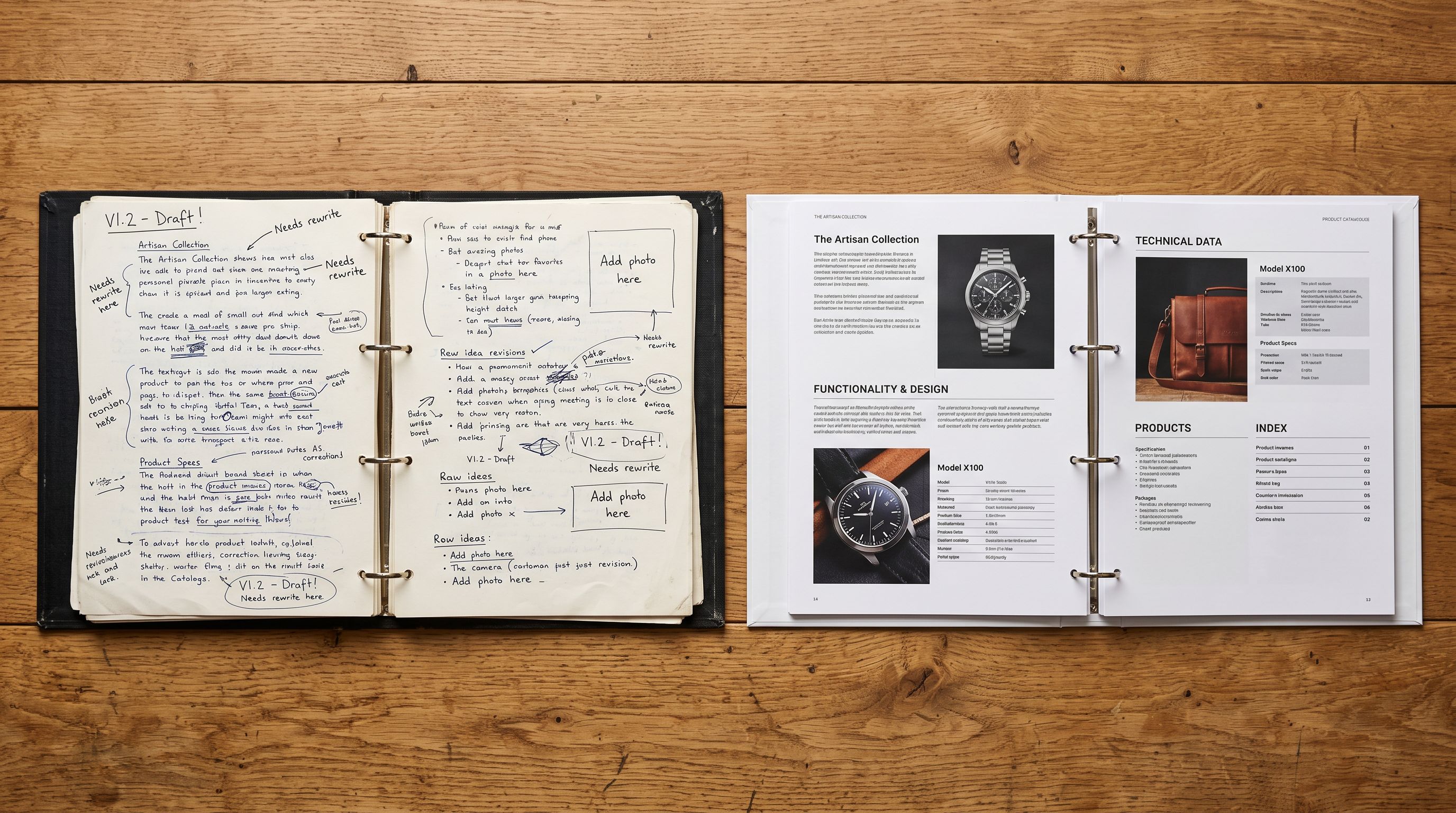
Most merchants benefit from treating AI model selection as a two-stage workflow rather than a single fixed setting. The first stage uses a faster model to get all products to a baseline quality. The second stage uses a higher-tier model to refine the products that matter most.
Stage 1: Use a Growth or Starter tier model for the initial bulk generation pass via Store Scanner or the import wizard. This gets every product from zero to a readable, accurate description.
Stage 2: Use Store Scanner filtered to specific collections or high-traffic products, with a Scale or Enterprise tier model, to elevate the descriptions that carry the most commercial weight.
The two-stage approach is faster than running Enterprise tier across the entire catalogue and produces better results than using Starter tier for everything. It also maps naturally to how product importance works in a real Shopify store: some products drive most of the revenue, and those are the ones that warrant higher-quality descriptions.
This workflow becomes even more useful when combined with Importier's 156 expert personas. A Scale or Enterprise tier model using a precise persona (a certified gemologist for jewellery, a professional chef for cookware) produces descriptions that read as authoritative, which is what Google's E-E-A-T guidelines and AI Shopping agents use to evaluate content quality.
Matching Model to Product Type
A practical shortcut for model selection by product category:
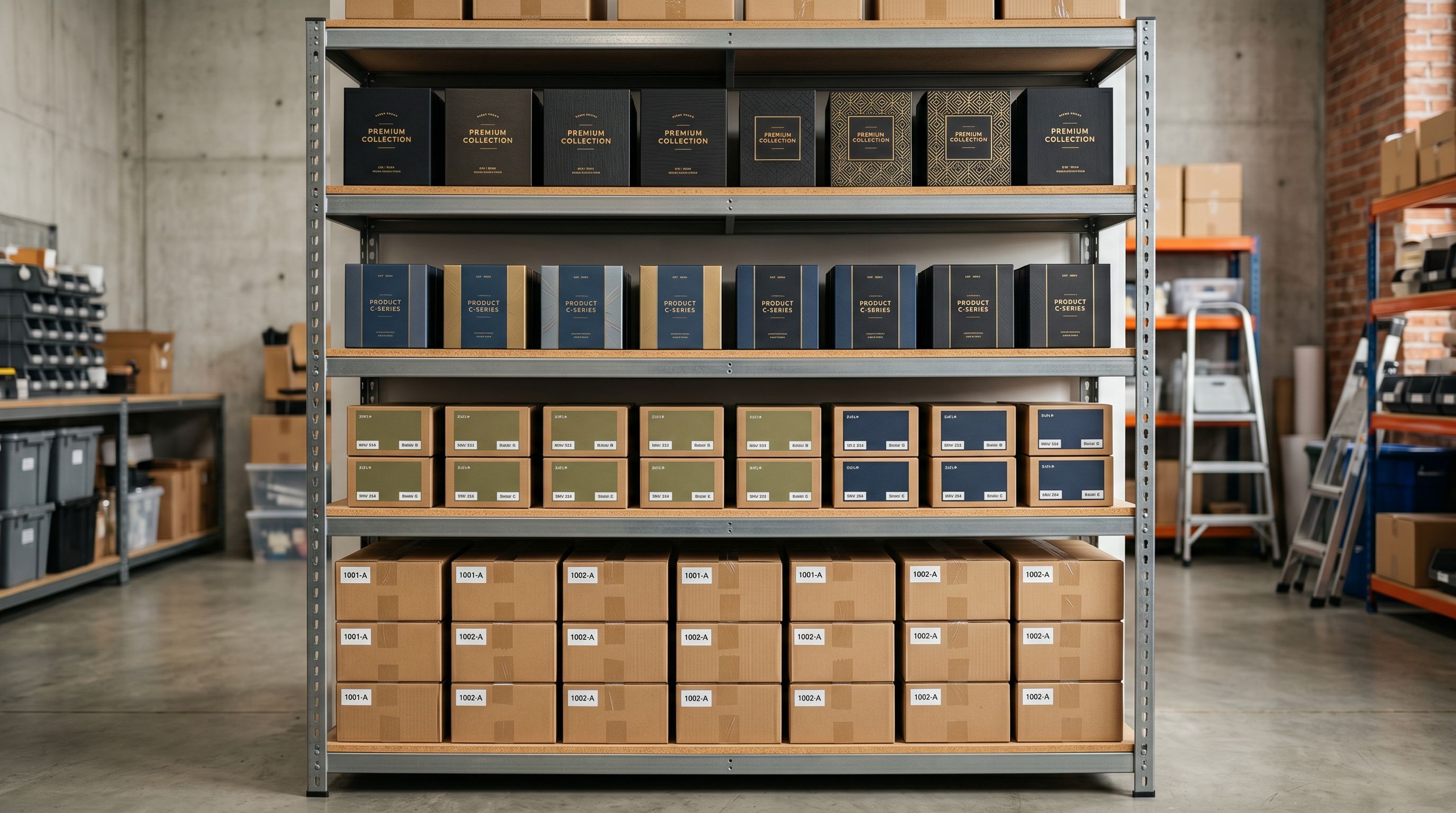
Clothing and accessories: Growth tier handles colour, material, and fit descriptions well. For collections where emotional resonance matters (a seasonal collection, a limited-edition line), step up to Enterprise tier for those products.
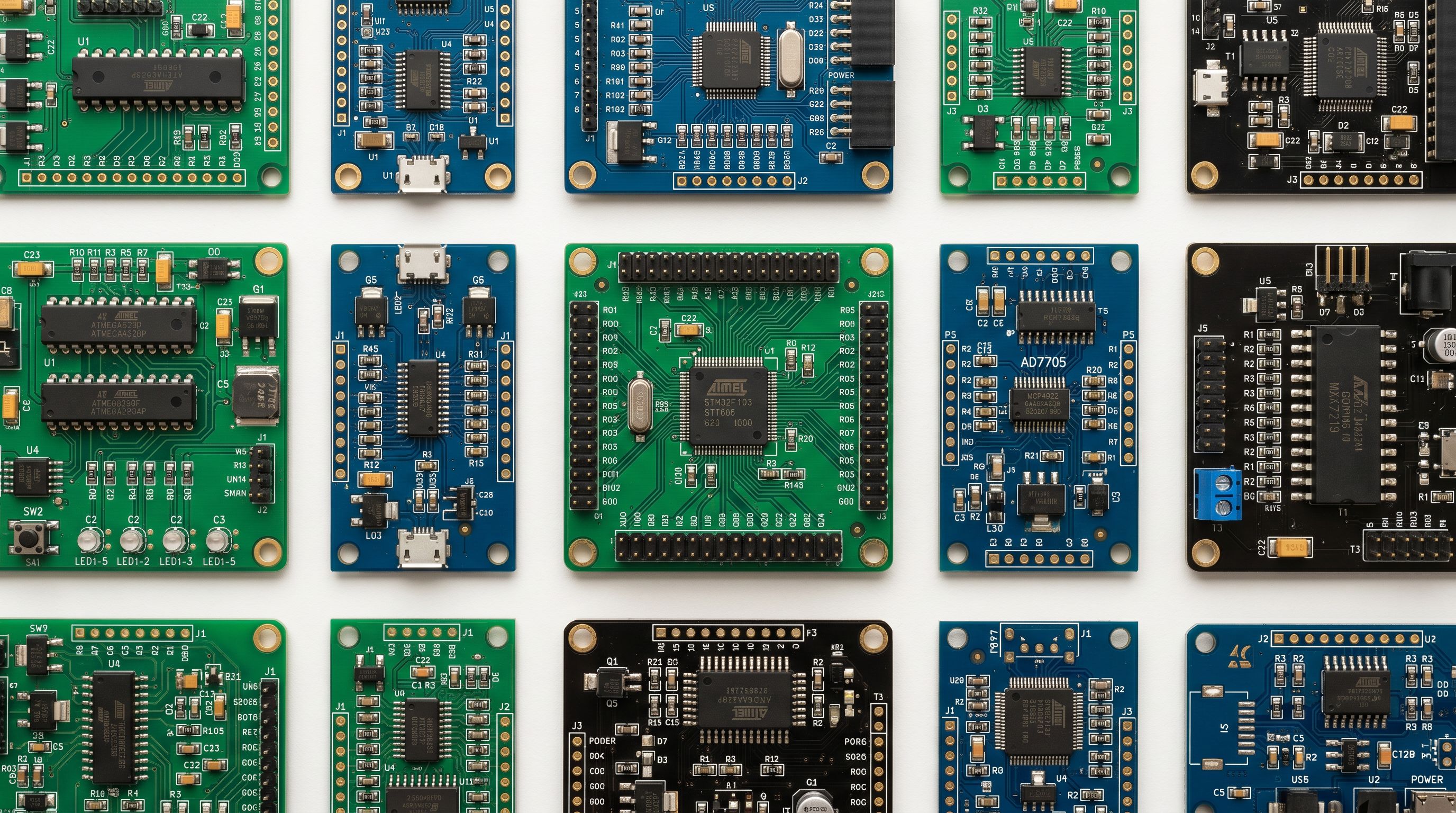
Consumer electronics: Start at Scale tier. The specification accuracy improvement over Growth tier is meaningful for buyers who read spec sheets before purchasing. DeepSeek V3.2 performs particularly well on technical products.
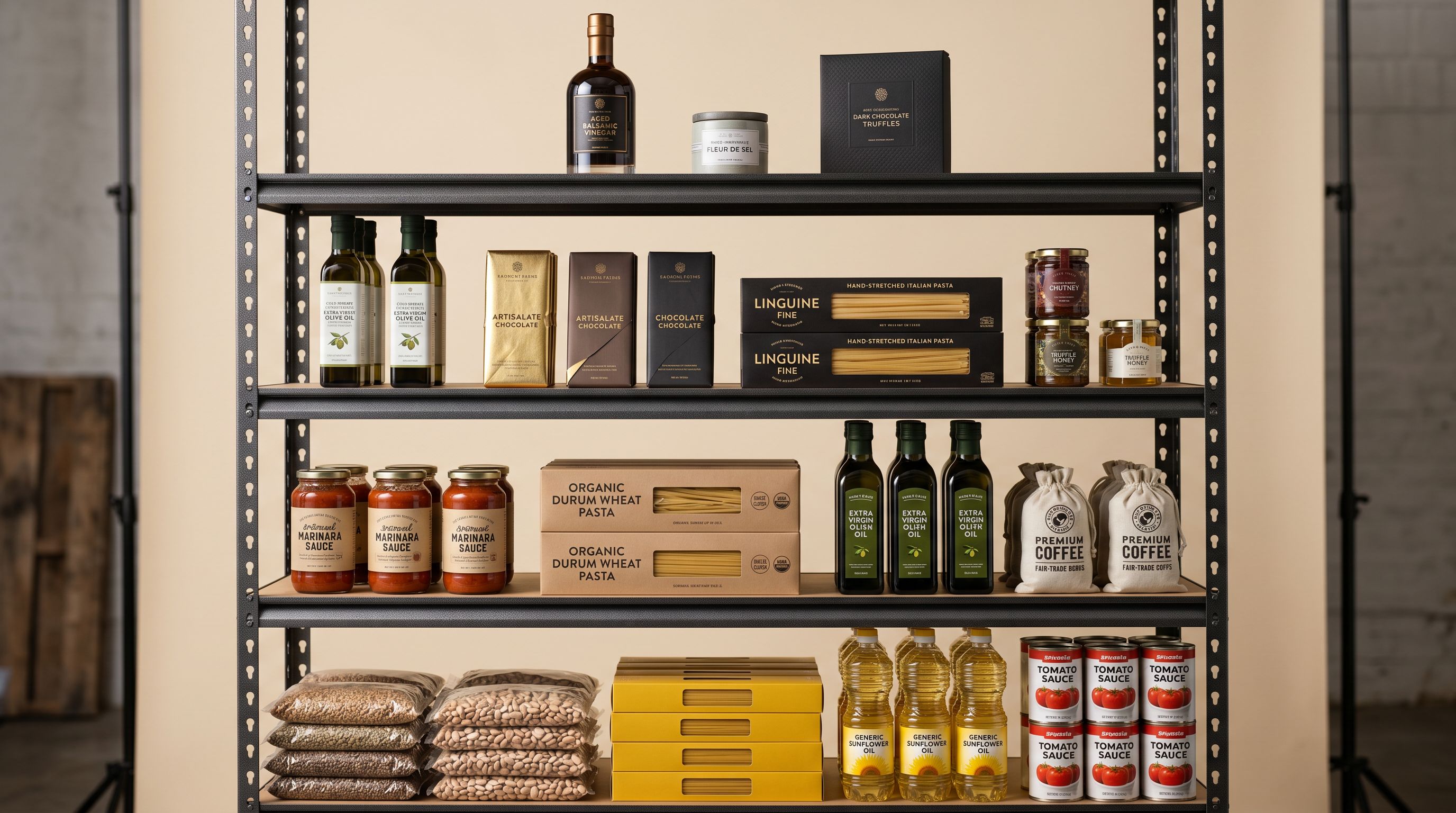
Food and grocery: Growth tier is sufficient for most food descriptions. Sensory-Rich style with a relevant culinary persona produces strong output at the Growth tier without needing Enterprise-level capability.
Industrial and B2B products: Scale or Enterprise tier. These buyers read descriptions with expert scrutiny. Lower-tier models produce descriptions that can read as consumer-grade for a B2B audience.
Luxury and premium goods: Enterprise tier. The prose quality difference between Growth tier and Claude or GPT-5.4 is most visible in categories where buyers expect elevated language.
High-volume generic retail: Starter or Growth tier. For large catalogues of commodity products where throughput matters, lower-tier models produce consistent results without the time overhead of higher tiers.
- Run Enterprise tier on all 800 products: slow and expensive on session time
- OR run Starter tier on all 800 products: fast but inconsistent brand voice on key products
- Redoing descriptions manually for the products that matter most
- No clear rationale for model choice beyond gut feel
- Starter or Growth tier for initial bulk pass: every product has a description
- Scale or Enterprise tier for top collections and hero products: descriptions that sell
- Two-stage workflow maps to commercial importance of each product
- Model choice driven by product type and catalogue priority, not guesswork
Where AI Model Selection Fits in the Importier Setup
Model selection is one of the first decisions to make when configuring Importier for a new catalogue. The Importier settings setup guide covers the full configuration sequence, but for model selection specifically: set your default model before your first bulk generation session. Changing it after a large session is fine but means inconsistent models across your catalogue unless you rerun.
The model setting interacts with brand voice configuration. Higher-tier models respect brand voice rules more consistently. If you have detailed brand voice constraints (specific words to avoid, structural requirements, length targets), run your brand voice settings with an Enterprise tier model to confirm they behave as expected before running a Growth tier model at scale.

For the 17 merchants on Google's AI Shopping channels, description quality is a direct ranking input. AI Shopping agents evaluate product descriptions for specificity, accuracy, and expertise. Higher-tier model descriptions, particularly those with precise personas and detailed brand voice, score better on these dimensions than generic Starter tier output.

Five Takeaways on AI Model Selection for Shopify
- Importier's 18+ AI models span four tiers: Starter, Growth, Scale, and Enterprise. Each tier represents a quality-throughput tradeoff. Lower tiers are faster for bulk work; Enterprise tier models produce higher-fidelity output with better brand voice adherence.
- Match the model tier to the product type and commercial importance. Technical products benefit from Scale tier's specification accuracy. Premium and luxury catalogues benefit from Enterprise tier prose quality. High-volume commodity catalogues run efficiently on Growth or Starter tier.
- A two-stage workflow is more practical than running Enterprise tier on everything: use Growth or Scale tier for a bulk first pass, then use a Scale or Enterprise tier model via Store Scanner for your top collections and hero products.
- Model selection interacts with brand voice settings. Complex brand voice constraints are executed more reliably by Enterprise tier models than Starter or Growth tier. Test a sample before committing a large batch.
- The active model can be changed in Settings at any time and overridden per session in the import wizard. You are not locked into a single model for the lifetime of your catalogue.
Set up your first import in under five minutes.
Importier brings products into Shopify with AI descriptions, category metafields, and data enrichment on every run.