Shopify Product Condition Import: Grade Data as Metafields
On this page
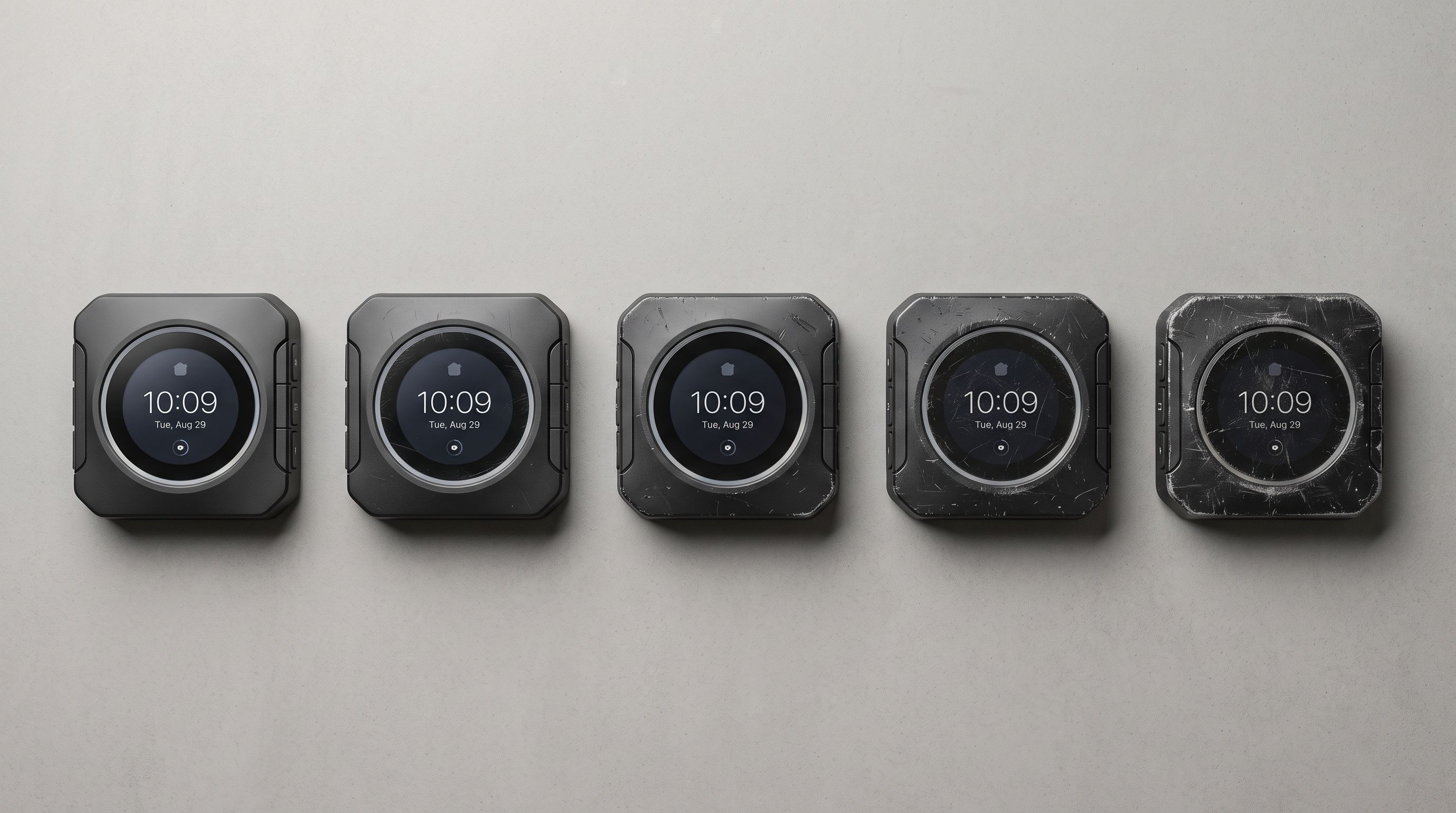
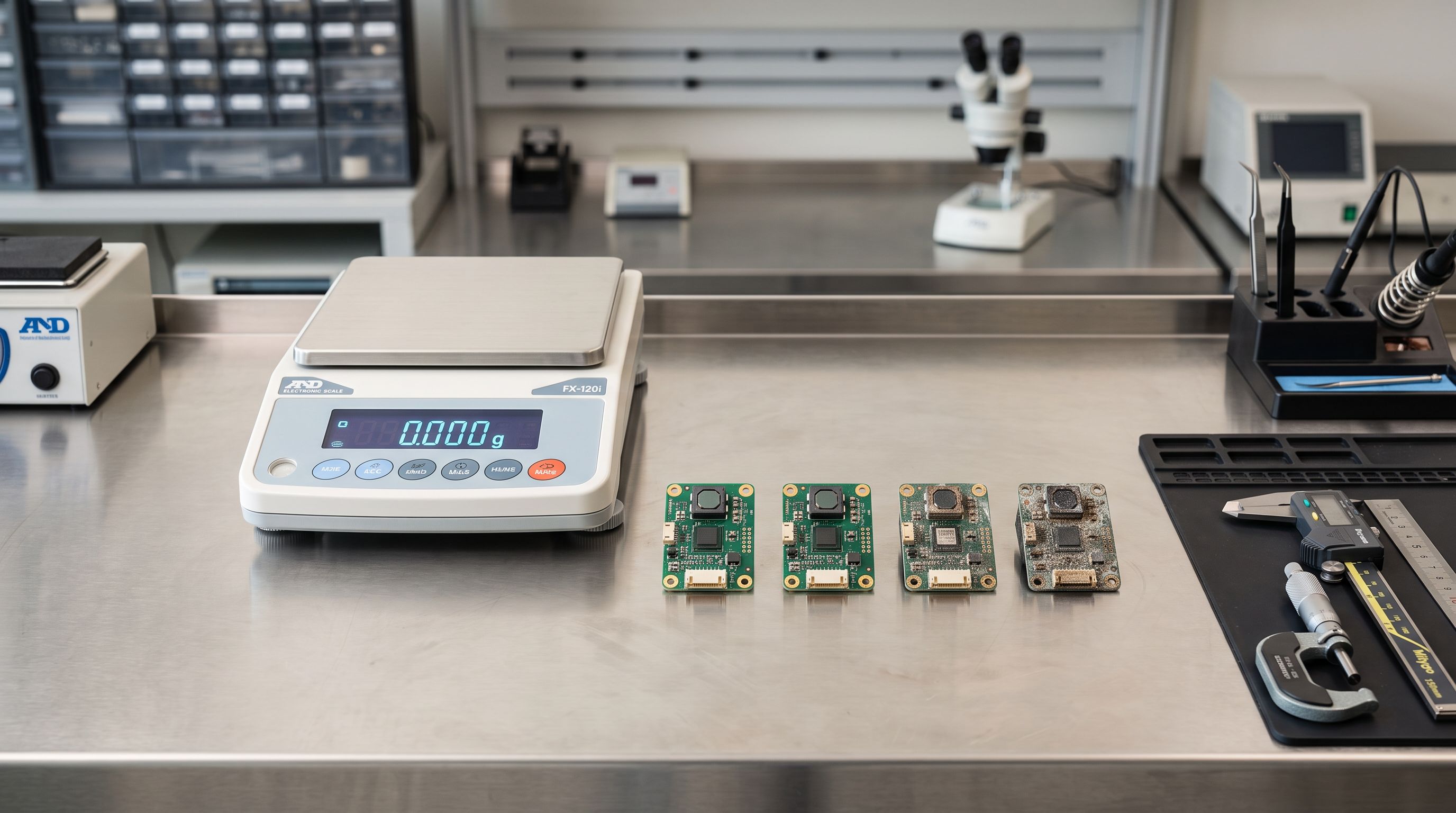
A Shopify product condition grade import is the workflow refurbished and secondhand merchants use to bring their grading system from supplier spreadsheets into Shopify as structured, queryable metafields. A Sydney electronics refurbisher processing 600 units per month from insurance write-offs and customer returns demonstrated the problem clearly: every unit was graded before listing: A (cosmetically perfect, fully tested), B (minor cosmetic flaws, fully functional), C (visible damage, functional), D (powers on, for parts or repair). Their Shopify store showed none of this. Every product appeared as "Refurbished iPhone 13 128GB" with a generic description and a price. Buyers who wanted Grade A with a 12-month warranty and buyers willing to accept Grade C for 60% less were looking at the same listing.
After importing condition grades as metafields, the refurbisher set up four grade collections, grade-specific descriptions generated from structured data, and a warranty badge component on each product page. Grade A products converted at 4.8%. Grade B at 3.1%. The performance split was always there in the inventory; the structured data made it visible to buyers.
What Goes Wrong When Condition Lives in the Title
The instinct is to put the grade in the product title: "Refurbished iPhone 13 128GB Grade A". This works for one listing. At 600 units per month where the grade changes per unit, it requires either a unique title per unit (unmanageable at scale) or a title that holds all grade variants simultaneously ("Grades A/B/C Available"), which communicates nothing useful to the buyer.
Tags face the same limitation. A grade-a tag is binary: a product has it or does not. Tags cannot hold the warranty duration, the cosmetic notes, or the testing standard. A filter labelled "Condition: A, B, C" built from tags groups all conditions together because tags are untyped.
Structured condition metafields solve this. Each condition data point lives as a discrete field with a defined key, a defined value type, and a defined display context. The title carries the product name. The metafields carry the condition story.
The Condition Metafield Schema for a Shopify Product Condition Grade Import
Before running the import, define the metafield schema in Shopify admin. Shopify's custom data documentation covers the field types and validation rules. A functional condition metafield schema for a refurbished goods merchant covers three areas:
Grading
custom.condition_grade(single_line_text_field): the grade code. "A", "B", "C", "D". Using a consistent controlled vocabulary across the import file makes collection rules reliable.custom.condition_label(single_line_text_field): the consumer-facing label for the grade code. "Excellent: cosmetically perfect, full warranty" maps better to a buyer's mental model than "Grade A" alone.custom.condition_notes(multi_line_text_field): unit-specific cosmetic notes. "Light scratches on the back panel; screen unmarked; all ports functional." These notes vary per unit and feed the variable section of the generated description.
Warranty and testing
custom.warranty_months(number_integer): the warranty duration in months. Grade A = 12, Grade B = 6, Grade C = 3, Grade D = 0. Drives the warranty badge on the product page.custom.tested_by(single_line_text_field): the testing standard or technician identifier. "Apple-certified diagnostics" communicates the verification basis to buyers.custom.refurbishment_date(single_line_text_field): the month and year of refurbishment. "September 2026" displays as a freshness signal.
Building the Import File
Structuring the Condition Grade Import File
The import file carries the standard product columns alongside the condition metafield columns. For the Sydney electronics refurbisher, each product row includes:
| Column | Example value |
|---|---|
| Title | Refurbished iPhone 13 128GB |
| custom.condition_grade | A |
| custom.condition_label | Excellent: cosmetically perfect, full warranty |
| custom.condition_notes | Screen unmarked; back panel perfect; all ports functional; Face ID working |
| custom.warranty_months | 12 |
| custom.tested_by | Apple-certified diagnostics |
| custom.refurbishment_date | September 2026 |
Products where warranty is not offered leave custom.warranty_months blank. Importier treats empty cells in metafield columns as "do not set this metafield" rather than as errors, so a Grade D unit with no warranty imports cleanly alongside Grade A units with 12-month warranties. The product page warranty component shows nothing for the Grade D unit rather than a misleading zero.
For a refurbisher receiving mixed batches, the import file is the grade sheet from the refurbishment floor turned into a Shopify product record. Each row is one unit. Each condition column maps to one metafield. A batch of 200 units becomes 200 product records with discrete, queryable condition data in one import pass.
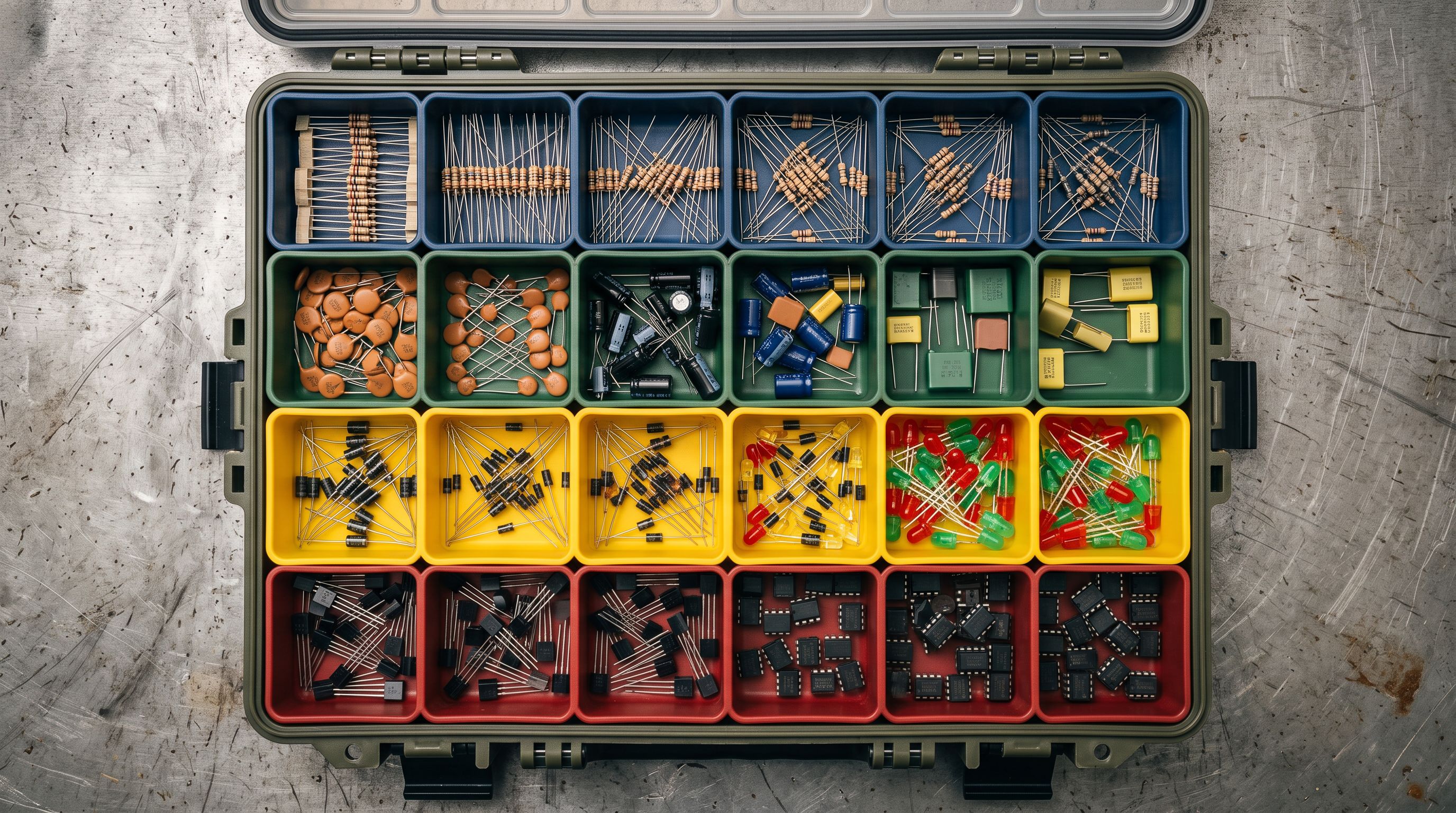
Generating Grade-Specific Descriptions from Condition Data
With condition metafields in the import file, AI description generation reads those values as source material. The Technical Gadget description style with an Electronics persona (one of Importier's 156 expert personas across 43 industry categories) generates descriptions where the grade language matches the actual unit condition, because the source is the structured import column rather than a writer's interpretation.
For a Grade A unit, the generated description leads with the verification basis and cosmetic state:
"Tested to Apple-certified diagnostic standards and graded cosmetically excellent: screen unmarked, back panel perfect, all ports functional. This iPhone 13 128GB carries a 12-month warranty. Refurbished September 2026."
For a Grade C unit with the same model:
"Functional and tested to Grade 2 technician standard, with visible marks on the back panel that do not affect performance. Screen unmarked. Carries a 3-month warranty. Refurbished September 2026, priced for buyers who prioritise value over cosmetics."
The description is generated from structured inputs. The grade language in each description matches the custom.condition_notes value for that specific unit. No two Grade A units accidentally receive a Grade C description because the copy was reused, and no Grade C unit receives a description that overstates its cosmetic condition.
A description written from memory approximates the condition. A description generated from condition metafield values states it exactly, because the source is the import file rather than a writer's interpretation of the grade sheet.

Collections and Filtering
Grade Collections and Pricing Logic from Condition Metafields
Structured condition metafields enable collection rules and filter options that tags and title text cannot support.
Grade-based collections
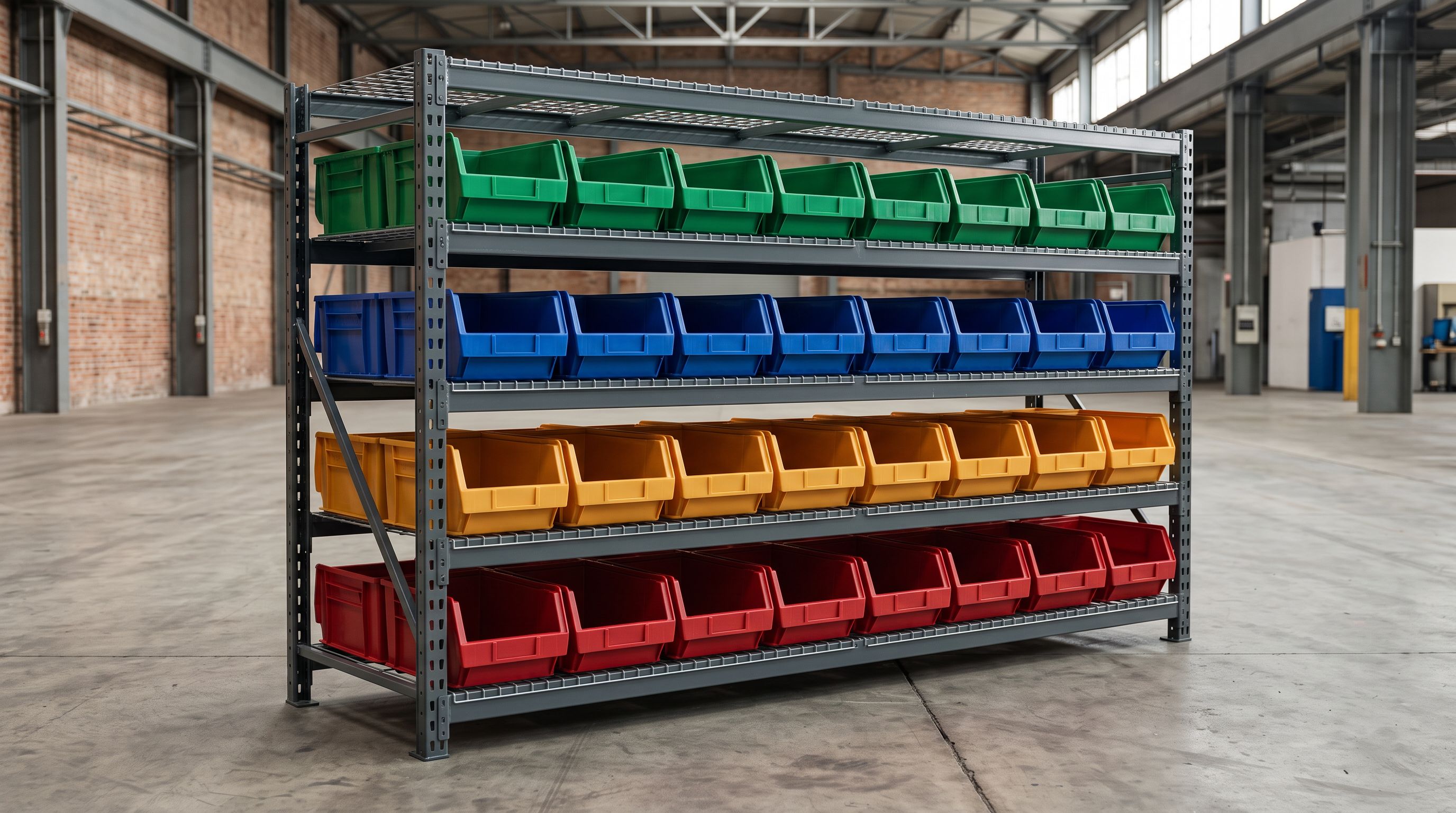
A collection "Grade A: Excellent Condition" with the rule "custom.condition_grade equals A" automatically includes every Grade A product across any category (iPhones, iPads, laptops, accessories). New Grade A units join the collection at import time without manual curation.
For a refurbisher selling across product categories, this creates a self-maintaining collection structure from the import data alone:
- "Grade A: Excellent" (condition_grade equals A)
- "Grade B: Good Condition" (condition_grade equals B)
- "Under Warranty" (warranty_months greater than 0)
- "Just Refurbished" (refurbishment_date equals September 2026)
Warranty filter
A filter built on custom.warranty_months lets buyers filter by warranty duration: 12 months, 6 months, 3 months, none. A buyer shopping for warranted devices reaches those products without reading every listing.
Pricing automation
For a Shopify Flow automation that links grade to pricing: when a product imports with custom.condition_grade equals D, Flow applies a for-parts-pricing tag and a collection rule moves it to the "For Parts" section automatically. The import sets the grade; the automation manages the downstream pricing logic without manual price editing per unit.
- 01Audit your grading systemdocument the grade codes your business uses (A/B/C/D or Excellent/Good/Fair/For Parts), the warranty duration each grade carries, your testing standard, and what unit-specific cosmetic notes look like in your current records
- 02Define the metafield schema in Shopify admin under Settings > Custom data > Products before running the importuse single_line_text_field for grade code and label, multi_line_text_field for condition notes, number_integer for warranty months, and single_line_text_field for tested-by and refurbishment date
- 03Build the import fileadd a column for each condition metafield to your product spreadsheet; for unit-by-unit batches, populate condition notes from the grade sheet; for catalogue-level imports where all Grade A units share the same notes, a single value fills the column
- 04Configure description generation with the Technical Gadget style and an appropriate consumer electronics persona; generate a sample of 5-10 descriptions across grades to confirm the grade language and warranty duration appear correctly
- 05Run the importverify the condition metafields populated correctly on 3-5 products per grade tier in Shopify admin before confirming the full batch
- 06Set up collection rulescreate one collection per grade and one for warranted products; new products join the correct collection automatically at import time based on their condition metafield values
The Sydney Refurbisher's Results
The Sydney electronics refurbisher ran the condition grade import across their live catalogue of 340 active products: 88 Grade A, 142 Grade B, 83 Grade C, 27 Grade D. Each unit received a grade-specific description generated from the condition metafields, and the four grade collections went live with warranty badges on product cards.
Within 90 days:
- Grade A conversion rate: 4.8% (up from a 2.1% baseline when all grades shared a generic listing)
- Grade B conversion rate: 3.1%
- Grade C conversion rate: 2.4%
- Refund rate dropped 31%, attributed to buyers self-selecting the correct grade before purchase
The grade-specific descriptions drove the refund reduction. Buyers who purchased a Grade C unit had read a description that stated the cosmetic condition clearly, because the description generated from custom.condition_notes rather than from a generic "refurbished" template. The condition expectation was set before purchase rather than discovered after delivery.
After importing condition grades as metafields, the refurbisher also configured the Google Shopping condition attribute for their GMC feed. The Google Shopping condition attribute guide covers how Importier maps a merchant's grading vocabulary to Google's required condition values (new, refurbished, used) for shopping channel eligibility.
The catalogue governance article covers how to define consistency rules for metafield values so condition grades stay standardised as new batches arrive from different sources. A grading import workflow without a governance standard for what Grade B means across different product categories drifts within a quarter.
- Grade text in product title requires unique title per unit; 600 units per month means 600 manual title variations or a single title that communicates nothing
- Binary grade-a tag cannot hold warranty duration, condition notes, or testing standard alongside the grade code
- Collection rules on tags group all grades together; no filter for Grade A vs Grade B vs Grade C as separate options
- Generic refurbished description applied to all grades; buyers cannot distinguish Grade A cosmetics from Grade C without reading fine print
- Grade D and Grade A units sit in the same collection with no automatic separation by condition tier
- custom.condition_grade as a typed metafield: drives collection rules, filter options, and warranty badge display from one field
- condition_notes per unit provides the cosmetic detail that feeds grade-specific description generation for that specific unit
- Grade-based collections self-populate from metafield rules; 600 units import into the correct grade tier automatically
- Technical Gadget descriptions generated from condition metafield values: grade language matches the actual unit condition, warranty duration appears accurately
- Shopify Flow automation reads condition_grade at import and applies grade-specific pricing tags without manual intervention per unit
For merchants who sell both new and refurbished inventory from the same Shopify store, the custom.condition_grade metafield works alongside the standard Shopify inventory management system without conflict. New products leave the custom condition fields blank; refurbished products populate them. Collection rules, filters, and the warranty badge component display nothing for new products and the full condition story for refurbished ones.
According to Google's product condition specification for Merchant Centre, products listed as refurbished in Shopping feeds receive distinct placement and consumer filtering from new products. Merchants importing condition grades as structured metafields can map their grading vocabulary to Google's three-value condition taxonomy at export time, making their graded inventory eligible for Shopping channel condition-filtered results.
Try Importier free at importier.app.
Set up your first import in under five minutes.
Importier brings products into Shopify with AI descriptions, category metafields, and data enrichment on every run.