Shopify Product Descriptions: How to Reduce Returns
On this page
A UK fashion merchant tracks the reasons behind their dress returns each week. The top three entries in the support inbox are consistent: "colour looked different in the photo", "runs much smaller than expected", and "fabric not what I imagined from the description". Their return rate sits at 22%. The category average is 12-15%. The descriptions on the product pages are 60-word supplier blurbs: no measurements, no fabric weight, no model height reference.
The returns are not caused by poor product quality. They are caused by a description that left buyers filling in the gaps with assumptions. When the product arrived, the assumptions were wrong.
Shopify product descriptions that reduce returns share a specific characteristic: they answer the question the buyer will ask on delivery before the buyer orders. Every assumption the buyer has to make at the product page is a potential return.
Why Shopify Product Descriptions Drive Return Rates
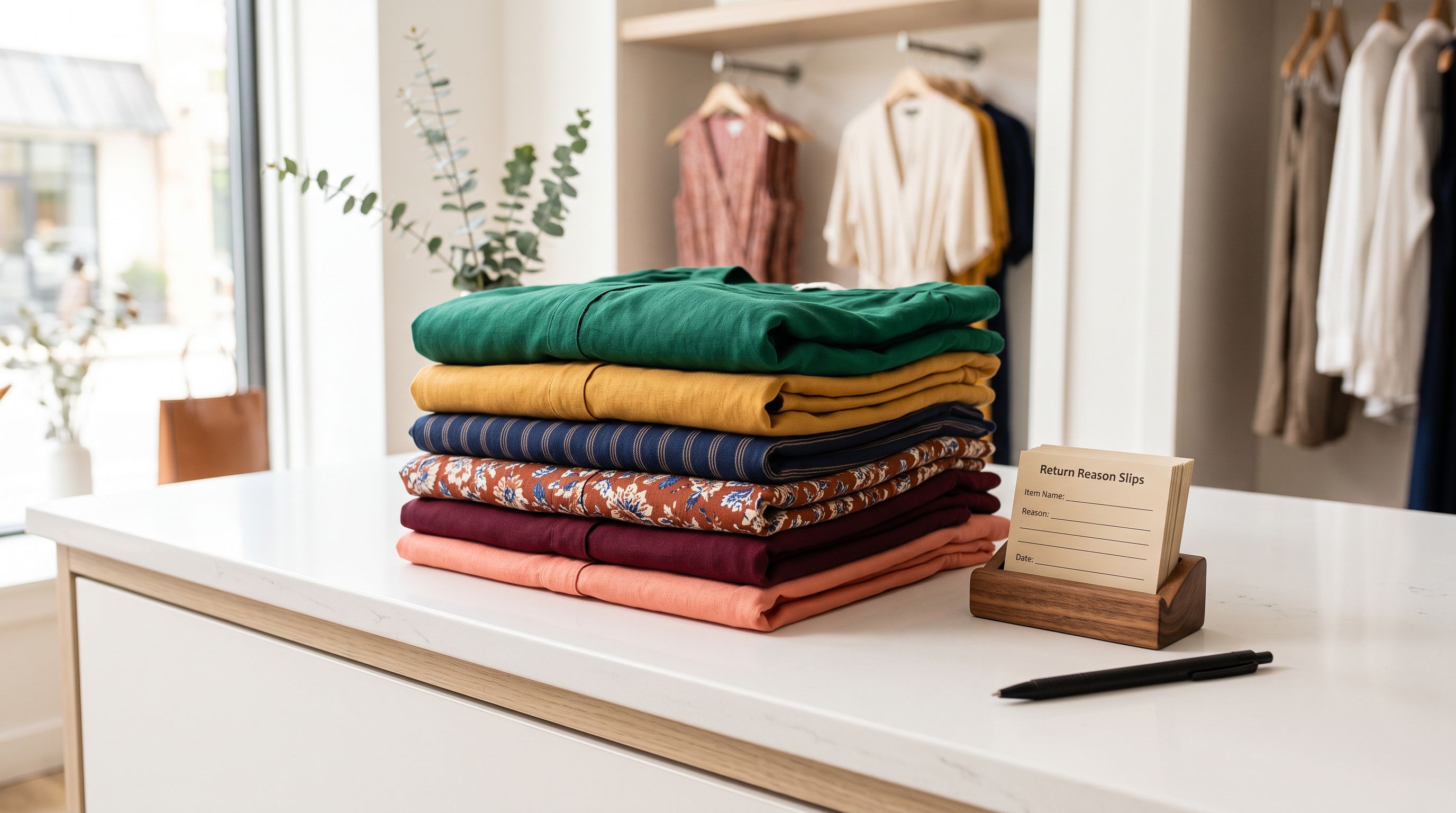
Statista's research on ecommerce returns reasons consistently shows that between 22% and 35% of ecommerce returns are attributed to the item being "not as described" or "different from the photo." For fashion and apparel, reasons for apparel returns include sizing inaccuracies and colour discrepancies as the top drivers after "changed mind."
The "not as described" category is the one merchants can control at the product page level. A buyer who changes their mind after delivery is a return the merchant cannot prevent at the listing stage. A buyer who returns a dress because the description said "relaxed fit" but the buyer imagined something different, or because the "dusty rose" colour photographed as pale pink in the studio, is a return caused by a description gap.
The mechanic is straightforward: a buyer who reads an accurate, specific description at the product page and decides to buy has already mentally confirmed the product matches their need. A buyer who orders based on a thin description has not confirmed anything. When the product arrives and differs from what they imagined, the gap is the description's fault, not the buyer's.
- 'Beautiful relaxed dress in dusty rose'
- No measurements or size model reference
- Fabric listed as '95% polyester' with no weight or texture context
- No fit type or cut description
- Buyer fills in all gaps with assumptions
- Fit type stated first: relaxed through the shoulder and waist, not boxy
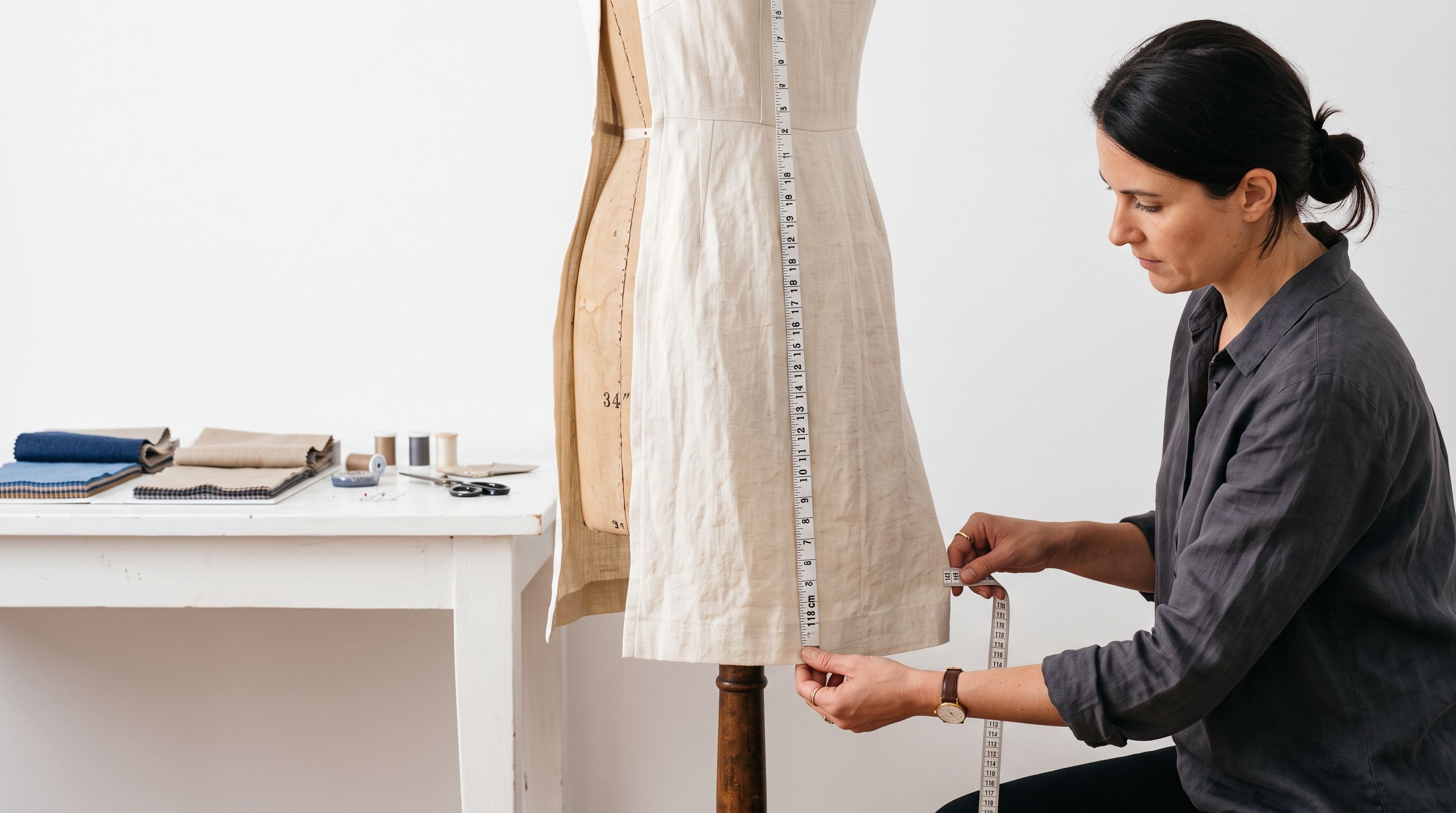
- Measurements: 104cm length from shoulder for size 12 model at 170cm
- Fabric: 95% polyester 145gsm, drapes softly, minimal stretch
- Colour: dusty rose photographs pale on screen; in natural light the tone is a warm blush
- Each detail closes one buyer assumption before delivery
What Shopify Product Descriptions Reduce Returns By Including
The return-reducing attributes differ by product category. Every category has a specific set of information gaps that buyers fill with assumptions and then act on at the point of return. Knowing which attributes cause returns in each category lets a merchant prioritise description enrichment where it has the highest impact.
Fashion and apparel: Return rates in fashion are the highest of any ecommerce category. The information gaps that drive returns are fit type, measurements, fabric drape, and colour accuracy in natural light. A dress description that states "relaxed fit" without clarifying whether that means relaxed through the shoulder only, through the waist, or throughout the silhouette leaves the buyer guessing. A size chart solves some of this; a description that explicitly describes the cut does the rest.
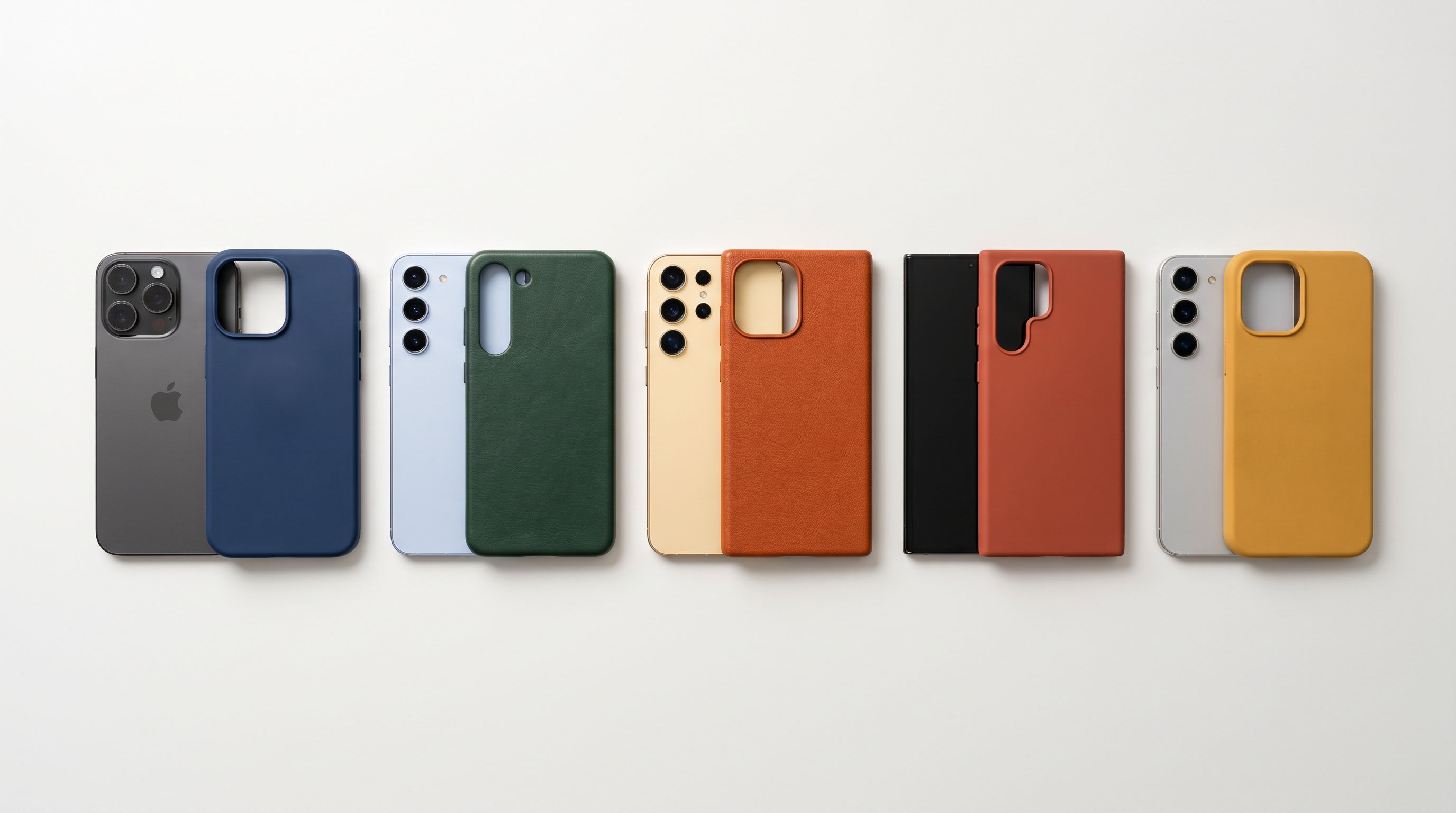
Electronics and accessories: The return driver in electronics is compatibility. A buyer who orders a phone case and discovers it fits the previous model rather than their current handset returns it. A description that states "compatible with iPhone 15, 15 Pro, and 15 Pro Max; does not fit iPhone 15 Plus" eliminates the compatibility return. The same applies to cables, adapters, connected home devices, and peripherals. Compatibility information in the description is return prevention.
Outdoor gear: Weight, dimensions, and temperature ratings are the return drivers. A sleeping bag described as "lightweight" without a stated pack weight generates returns from buyers who find it too heavy for the type of trip they planned. An article on [shopify-sports-fitness-product-import] covers how Importier's Sports and Fitness Industry Pack populates temperature rating, fill type, and pack weight as metafields. The same attributes in the description reduce returns from buyers who ordered based on vague language.
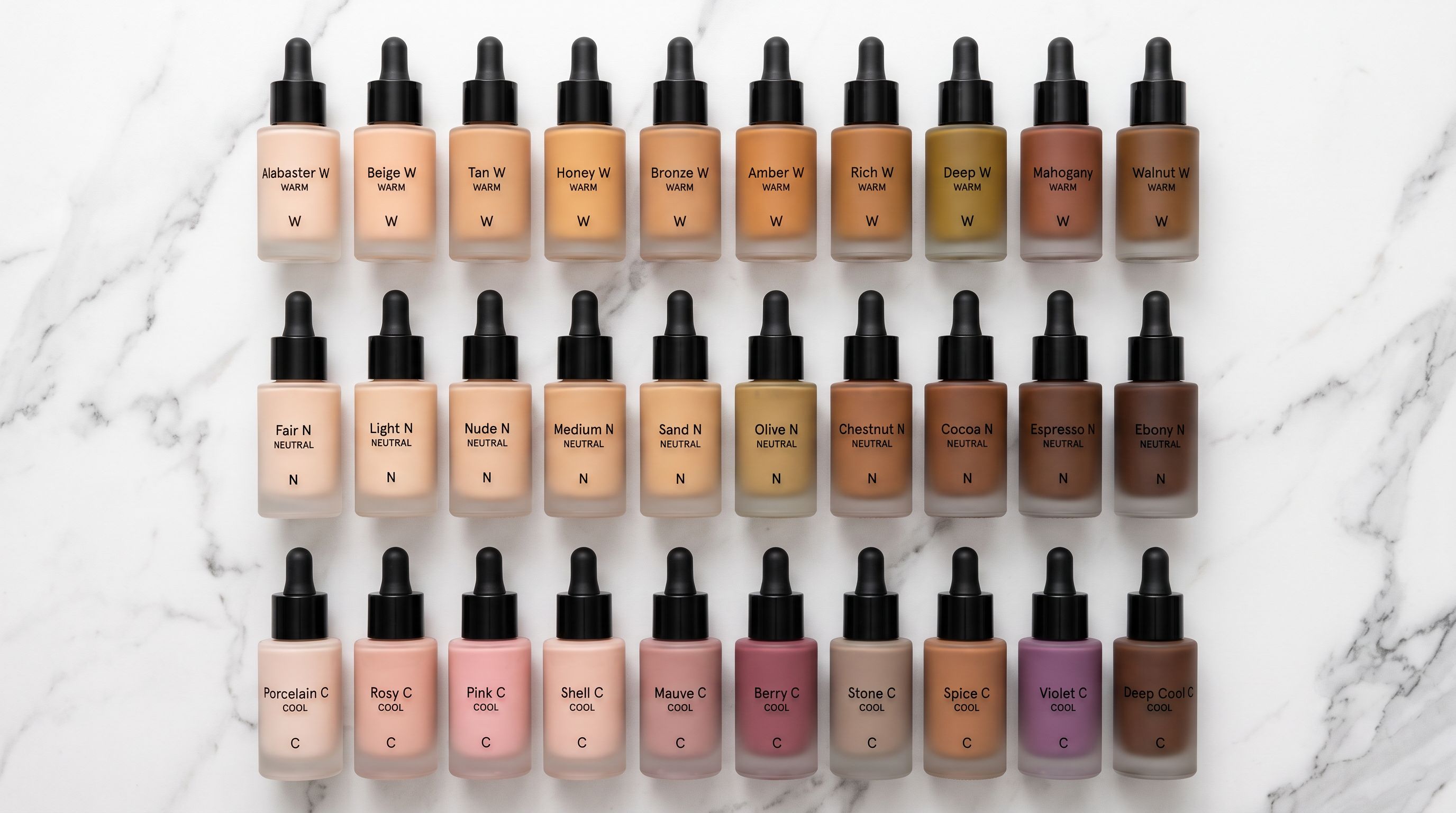
Cosmetics: Shade undertone and coverage level drive returns. A foundation described as "warm nude" attracts buyers with cool undertones who then return it. An article on Shopify cosmetics import covers how shade descriptions should lead with undertone and recommended skin tone range. For cosmetics, the specific description of what the shade actually looks like on skin is the return-reducing content.
Home and furniture: Dimensions and colour accuracy in different lighting conditions are the return drivers. A cushion described as "sage green" that photographs as olive in the studio and appears teal in natural light generates returns from buyers whose rooms did not work with any of those interpretations. Stating "sage green with a grey-green undertone; warm in incandescent light, cooler in natural light" closes the assumption.
Writing return-reducing descriptions
Category-Specific Shopify Product Descriptions That Reduce Returns
The principle is consistent across categories: identify the specific attribute that buyers discover on delivery is different from what they expected, then make sure the description explicitly addresses that attribute before the order.
The question a buyer asks themselves when returning a product is almost always answerable from a specific, well-structured description. "The colour looked different" has an answer: describe the colour in two lighting conditions. "The fit was nothing like I expected" has an answer: state the cut and give a measurement on a model.
For fashion and apparel, the return-preventing structure is: fit type, then fabric composition and weight (not just fibre percentage), then length measurement from shoulder on a model with stated height, then colour description including how it photographs versus how it looks in natural light. This sequence answers the four questions that generate the highest return rates for this category in order of impact.
For electronics, the structure is: compatibility statement first (named models supported and named models excluded), then specifications relevant to the use case, then any requirements (power source, operating system, required accessories). Compatibility at the top of the description means a buyer who clicks into the product page and reads even the first two sentences knows whether the product fits their situation.
For cosmetics, the structure is: shade undertone and recommended skin tone range first, then coverage level with a layering description, then finish, then active ingredients if relevant. A buyer who reads "cool undertone, suited to fair to light skin with visible pink or rosy tones" knows before ordering whether this shade works for them.
Using Importier to Write Shopify Product Descriptions That Reduce Returns
Importier's AI description generation includes 156 expert personas across 43 industry categories. Each persona is calibrated to the information structure that reduces buyer uncertainty for that specific category.
The Fashion and Apparel persona generates descriptions that open with fit type, then state fabric composition and weight, then include a length measurement referenced to a model size. It knows that "relaxed fit" needs qualification and writes it as "relaxed through the shoulder and waist with a gentle flare from the hip." It knows fabric weight matters for drape and includes 145gsm alongside the fibre composition. These are not additional steps for the merchant to specify; the persona generates this structure by default because it reflects how fashion buyers evaluate a product before ordering.
- 01Step 1In Importier's import wizard, select your product category and choose the matching Industry Pack. For fashion, the Fashion and Apparel pack maps fabric composition, fit type, and size attributes from your supplier file into the right Shopify fields.
- 02Step 2At the description generation step, select the Fashion and Apparel persona from the persona library. The persona is pre-calibrated to open descriptions with fit and measurement information rather than marketing language.
- 03Step 3Generate descriptions across your catalogue. For a 200-product dress range, generation runs across all products in one session, producing descriptions that include fabric weight, fit type, and length measurements for each product from the supplier data available.
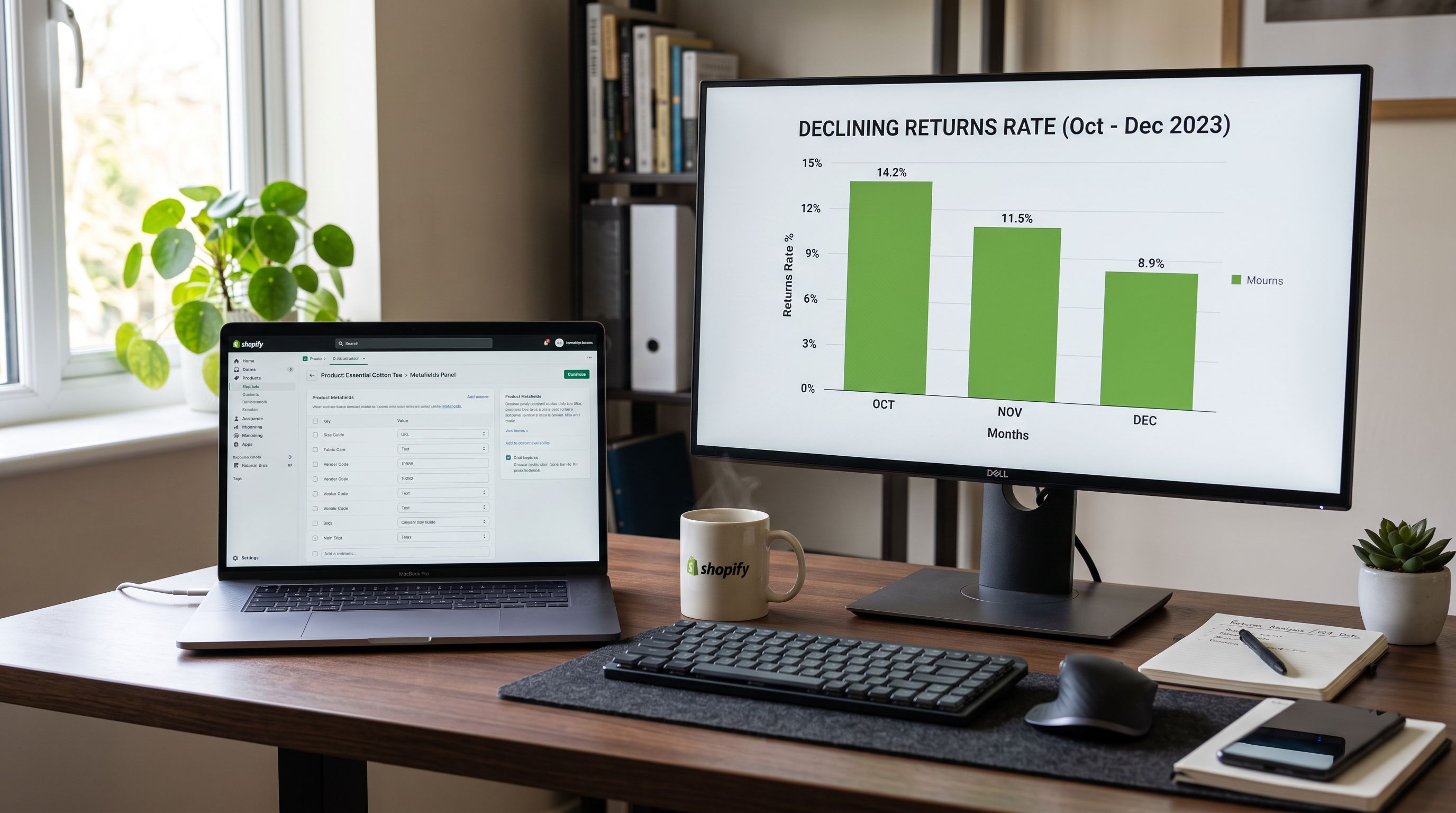
- 04Step 4After descriptions are live, track your return reasons for 60 days. Return categories attributable to 'not as described' or 'size' should decrease as buyers encounter specific descriptions that answered their question before they ordered.
The same principle applies to other categories through their respective personas. The Electronics persona leads compatibility statements. The Outdoor Gear persona leads with performance specifications. The Beauty and Cosmetics persona leads with shade undertone and skin tone range. In each case, the persona generates the structure that targets the specific return-driver for that category.
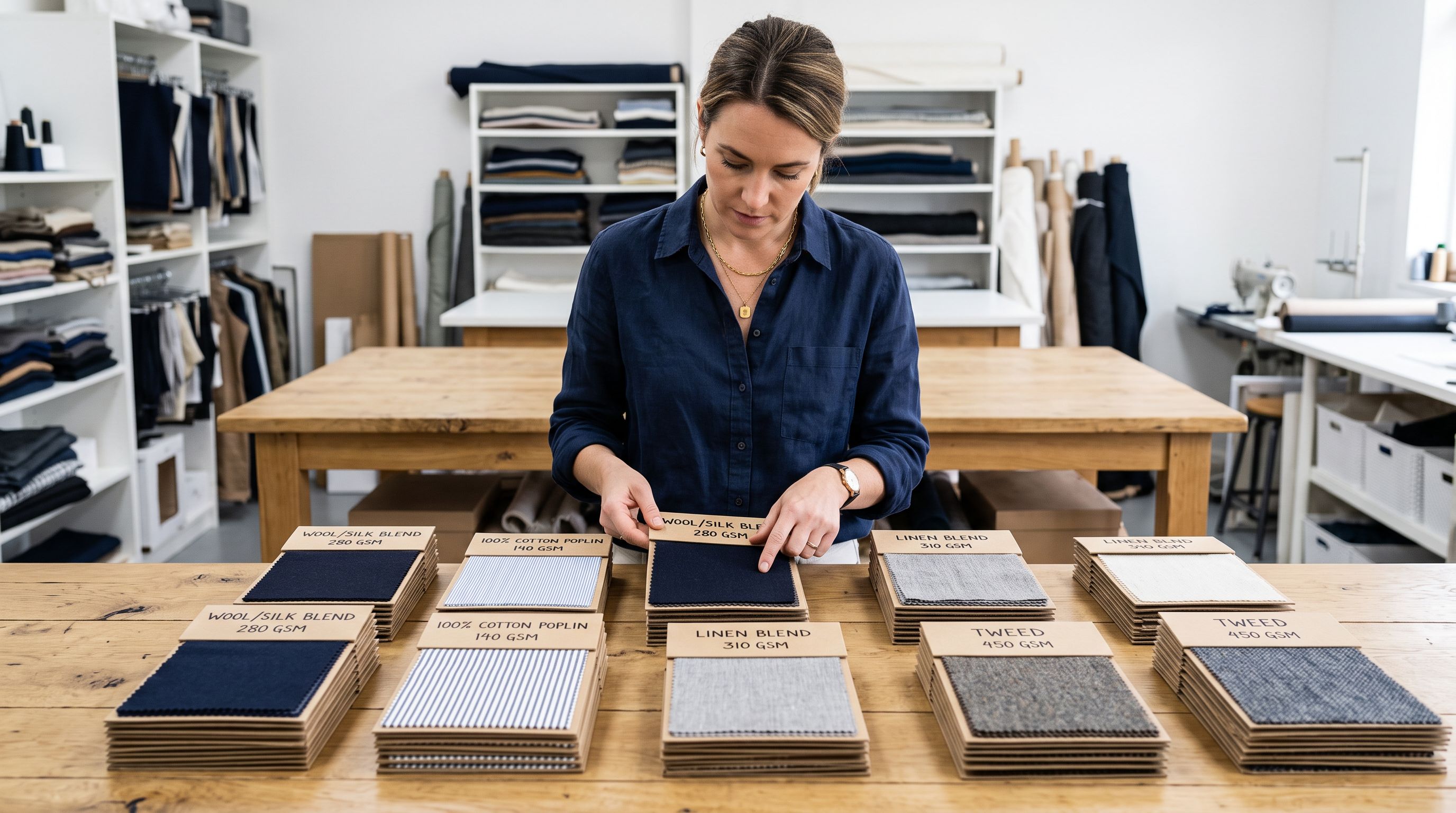
For merchants with existing thin descriptions, Importier's Store Scanner identifies which products have descriptions under a set threshold. Pairing Store Scanner with the product data quality checklist targets the products most likely to be driving return-generating information gaps: short descriptions, no metafield data, no FAQ coverage.
Key Takeaways
Shopify product descriptions reduce returns when they eliminate the specific information gaps buyers fill with assumptions. The assumption that turns out to be wrong is the return.
Key points:
- Between 22% and 35% of ecommerce returns are attributed to "item not as described." This category is within merchant control at the description stage.
- Return-driving information gaps differ by category: fit type and measurements for fashion; compatibility for electronics; undertone and coverage for cosmetics; temperature rating and weight for outdoor gear; colour accuracy in different lighting for home.
- The return-reducing description structure leads with the attribute the buyer checks on delivery, not with marketing language. Fit type before "beautiful." Compatibility before "premium." Shade undertone before "flawless."
- Importier's 156 personas are calibrated by category to produce descriptions in the order that closes buyer assumptions for that product type. The Fashion and Apparel persona generates fit type, fabric weight, and measurements by default.
- Store Scanner identifies which products in an existing catalogue have descriptions too thin to close the common information gaps, making it practical to target enrichment at return-prone listings first.
Enrich your return-prone product descriptions at importier.app. Growth plan and above includes the full persona library and bulk generation across collections.
Set up your first import in under five minutes.
Importier brings products into Shopify with AI descriptions, category metafields, and data enrichment on every run.