Shopify Product Data Conversion Rate: Five Factors
On this page
An outdoor gear merchant has 4,200 monthly visitors and a 0.8% Shopify product data conversion rate. The category average sits at 1.9%. They run ads, test hero images, and reduce checkout steps. The conversion rate stays flat. What the analysis misses is the product level: 68 of their 180 products have descriptions under 150 words copied from the supplier. 34 products have no GTIN. 22 have no category metafields populated. 18 have no FAQ entries.
Every visitor who arrives at one of those thin product pages sees a product they cannot evaluate. They leave without buying. The merchant attributes this to traffic quality.
Shopify conversion rate problems look like traffic problems from the outside. At the product level, they are data gaps that prevent purchase decisions from completing.
Shopify Product Data Conversion Rate: The Hidden Bottleneck
The standard approach to low conversion rate is to fix the funnel: improve ads targeting, redesign the homepage, simplify checkout. These changes operate at the store level and produce marginal improvements when the actual bottleneck is at the product level.
A store's conversion rate is the weighted average of each product's individual conversion rate. A store with 200 products where 50 have thin data converts at a lower aggregate rate than a store where all 200 are fully enriched, even with the same traffic volume. The 50 thin products drag the aggregate rate because they attract visits but generate very few purchases. Visitors who land on a thin product page and find it inadequate do not usually try another product in the store; they leave.
This makes product data enrichment a conversion rate intervention, not just an SEO or search intervention. The five factors below each correspond to a specific purchase-decision failure mode that thin data creates.
- Supplier descriptions that describe, not answer
- Products invisible to filtered searches (no metafields)
- Missing GTINs disqualify from richer Shopping features
- No FAQs means buyer uncertainty is not resolved
- Aggregate conversion rate suppressed by underperforming products
- Descriptions that lead with what the buyer came to verify
- Category metafields populate filter and AI Shopping results
- GTINs unlock enhanced Shopping presentation and trust signals
- FAQs eliminate pre-purchase questions that block checkout
- Each product converts closer to its potential, lifting the aggregate
Factor 1: Description Specificity
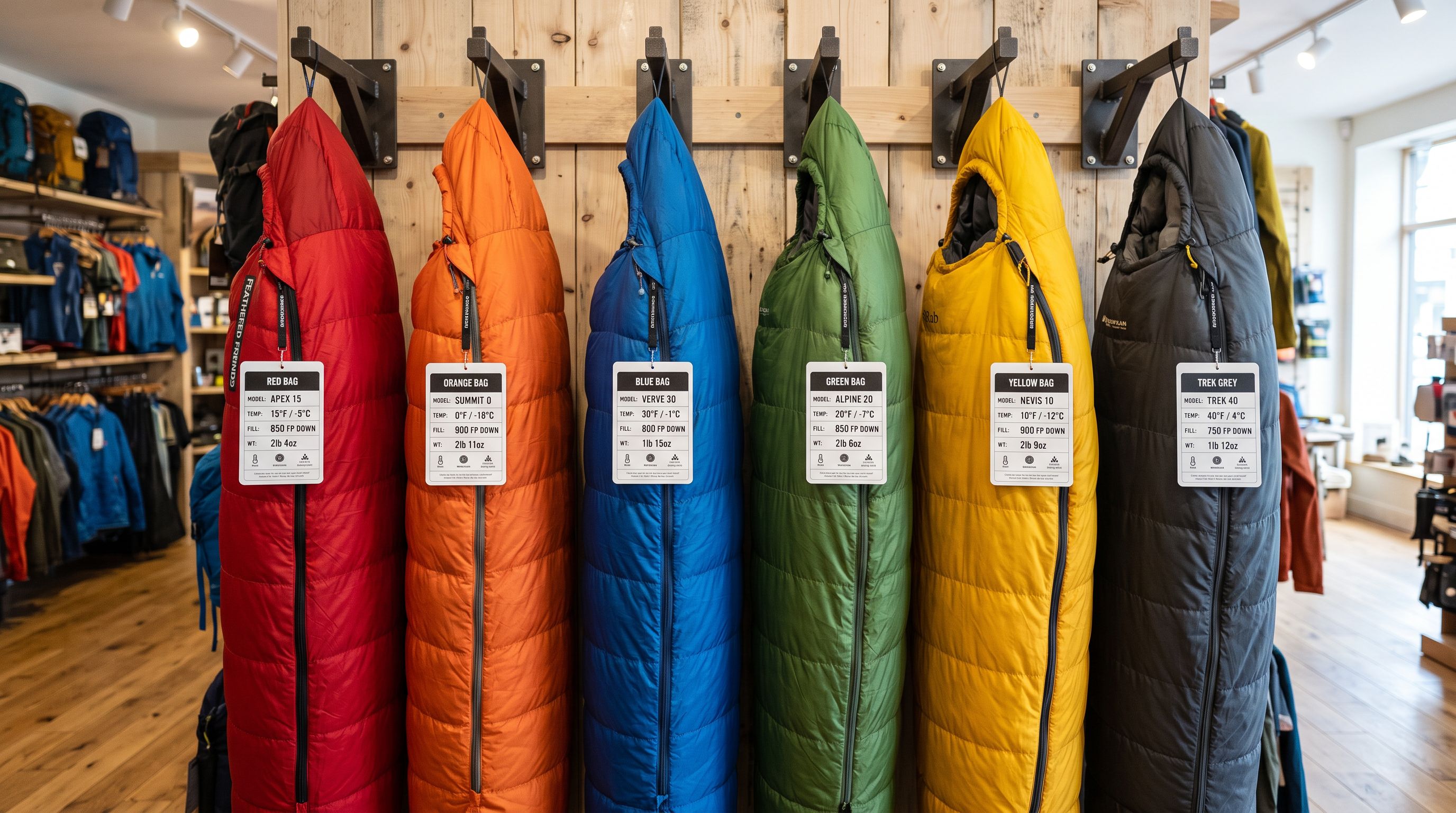
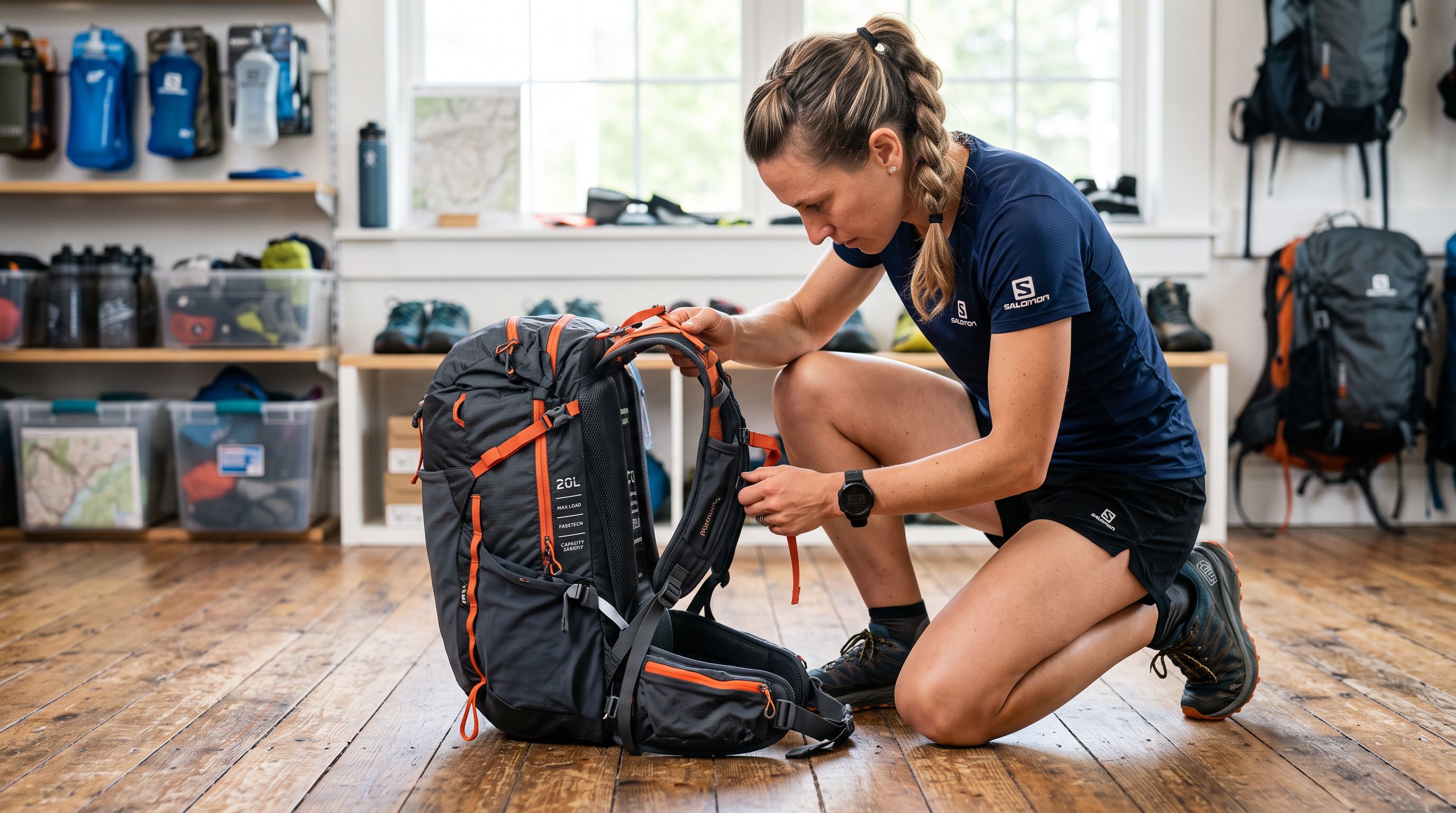
A buyer decides whether to purchase based on whether the product description answers their specific question. A buyer looking for a sleeping bag rated to -10°C needs that number in the description. A buyer looking for a trail running pack with a 20L capacity needs the volume stated. If the description does not answer the specific question the buyer arrived with, they leave.
Five conversion rate factors
Supplier descriptions fail this test systematically. They are written to be true rather than to be useful: they describe the product in general terms that apply to the whole product line rather than the specific model. "Durable construction with multiple compartments" does not answer any specific buyer question.
AI description generation with a category-appropriate style and persona produces descriptions that lead with the attributes the target buyer uses to make their decision. For a trail running pack, the description opens with capacity and weight. For a sleeping bag, it opens with temperature rating and fill type. These are the attributes that answer the specific question before the buyer asks it.
Importier's 156 expert personas across 43 industry categories are calibrated to know what the category buyer cares about most. The outdoor retail persona leads with performance specifications relevant to the specific activity. Description specificity reduces the number of pre-purchase questions and the number of visitors who leave without purchasing.
Factor 2: GTIN Presence
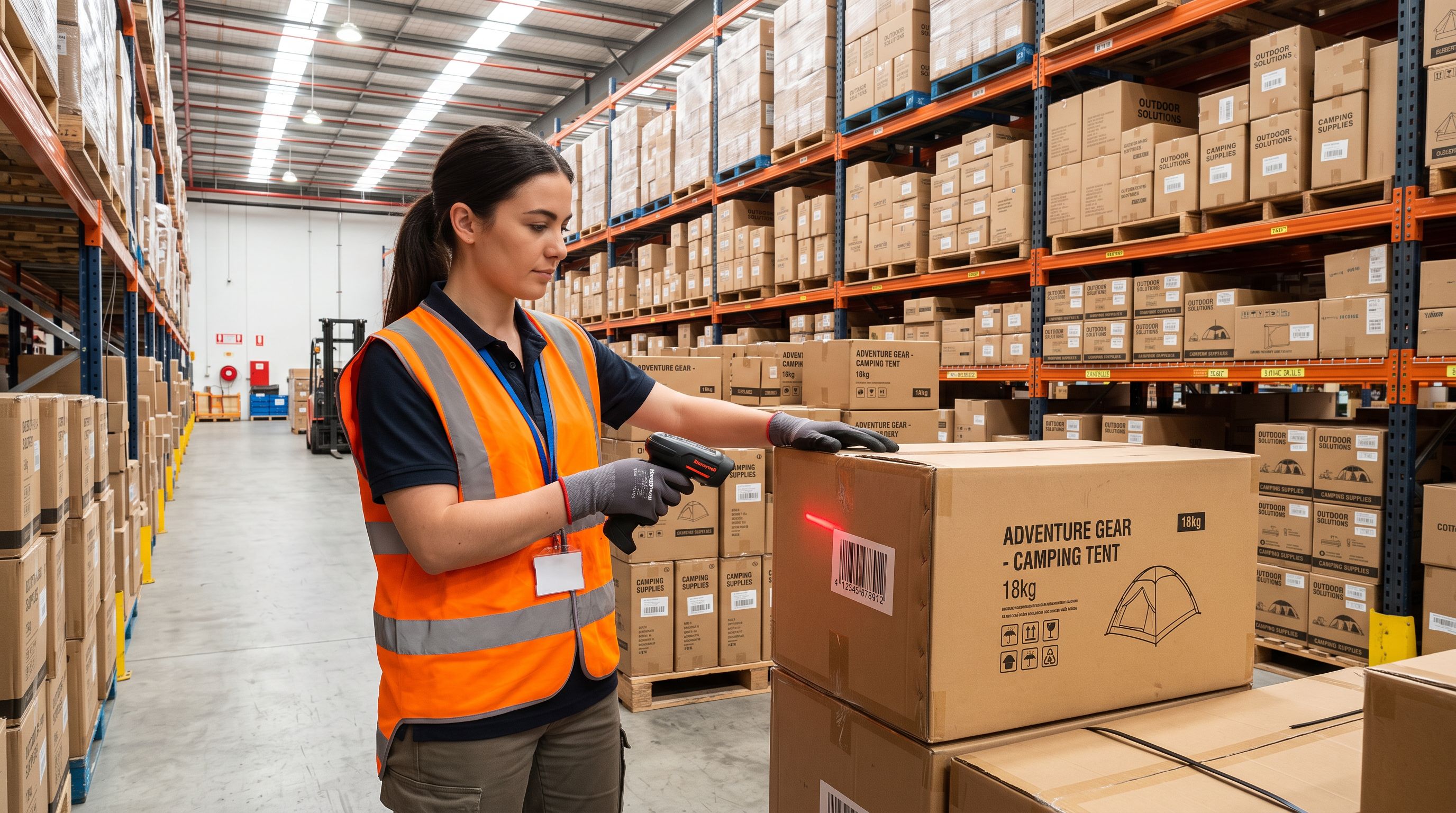
A GTIN (barcode) on a Shopify product does two things that affect conversion rate. First, it makes the product eligible for richer Google Shopping presentation. Google's structured product data documentation notes that products with valid GTINs qualify for enhanced Shopping features including price comparison across retailers. A buyer who arrives from a Shopping result with a GTIN-validated product has already seen price comparison data and chosen to click; they are a more qualified visitor.
Second, GTIN presence is a trust signal. A product without a barcode is harder for a buyer to verify as genuine. For buyers choosing between a familiar brand sold at multiple retailers and an unfamiliar brand on a new store, the GTIN provides a verification path: they can search the barcode on the manufacturer's site. A product without one introduces uncertainty that stops purchase decisions for cautious buyers.
Importier's barcode lookup uses the product data available in the import file to find and populate GTINs for products where the supplier did not provide them. For a 180-product outdoor gear catalogue, this commonly resolves 20-30% of missing GTINs without manual research per product.
Factor 3: Category Metafield Coverage
A buyer using Shopify's storefront filter for "sleeping bags with temperature ratings below -5°C" only sees products where that metafield is populated. A product without it is invisible to that buyer, filtered out before they reach the product page.
Category metafields are what make Shopify's faceted filter system work. When a buyer filters by temperature rating, fill type, or weight, they see only products where those metafields have values. A product without metafields is invisible to filtered searches, which represent the highest-intent searches on a product catalogue; the buyer who filters knows exactly what they want.
The same applies to AI Shopping agents in Google AI Mode and Perplexity Commerce, which query structured product attributes rather than full-text descriptions. A sleeping bag that carries temperature rating, fill power, and pack weight as Shopify category metafields can surface in a query for "lightweight sleeping bag under 1kg rated to -5°C". The same product with those attributes buried in a description paragraph does not surface.
Importier's 22 Industry Packs cover Shopify's Standard Product Taxonomy. The category metafields populated during import are the same metafields Shopify's filter system reads. For the outdoor gear catalogue, the Sports and Fitness Industry Pack populates temperature rating, fill type, pack weight, and dimensions: the attributes buyers use in filter-based searches.
Factor 4: FAQ Coverage
Baymard Institute's research on checkout abandonment consistently identifies uncertainty as a primary abandonment driver. Buyers who are uncertain about fit, compatibility, care, or return policy often do not complete the purchase rather than contact customer service to clarify.
A product FAQ addresses the four or five most common pre-purchase questions and eliminates the need for a customer service email before the buyer commits. For a sleeping bag: "Is this rated for UK winter camping?", "What is the pack size when compressed?", "Can the zip be changed for left-hand opening?". A buyer who has all three questions answered on the product page can complete the purchase without waiting for a response.
Importier's FAQ Generator produces 2-10 FAQs per product calibrated to the product type. For a sleeping bag, the generated FAQs address temperature rating interpretation, compatible sleeping mat types, and wash instructions: questions specific to that product type rather than generic store FAQs. FAQs can be generated in bulk across a collection, which makes it practical to cover the full catalogue rather than only the top 20 products.
Factor 5: Image Completeness
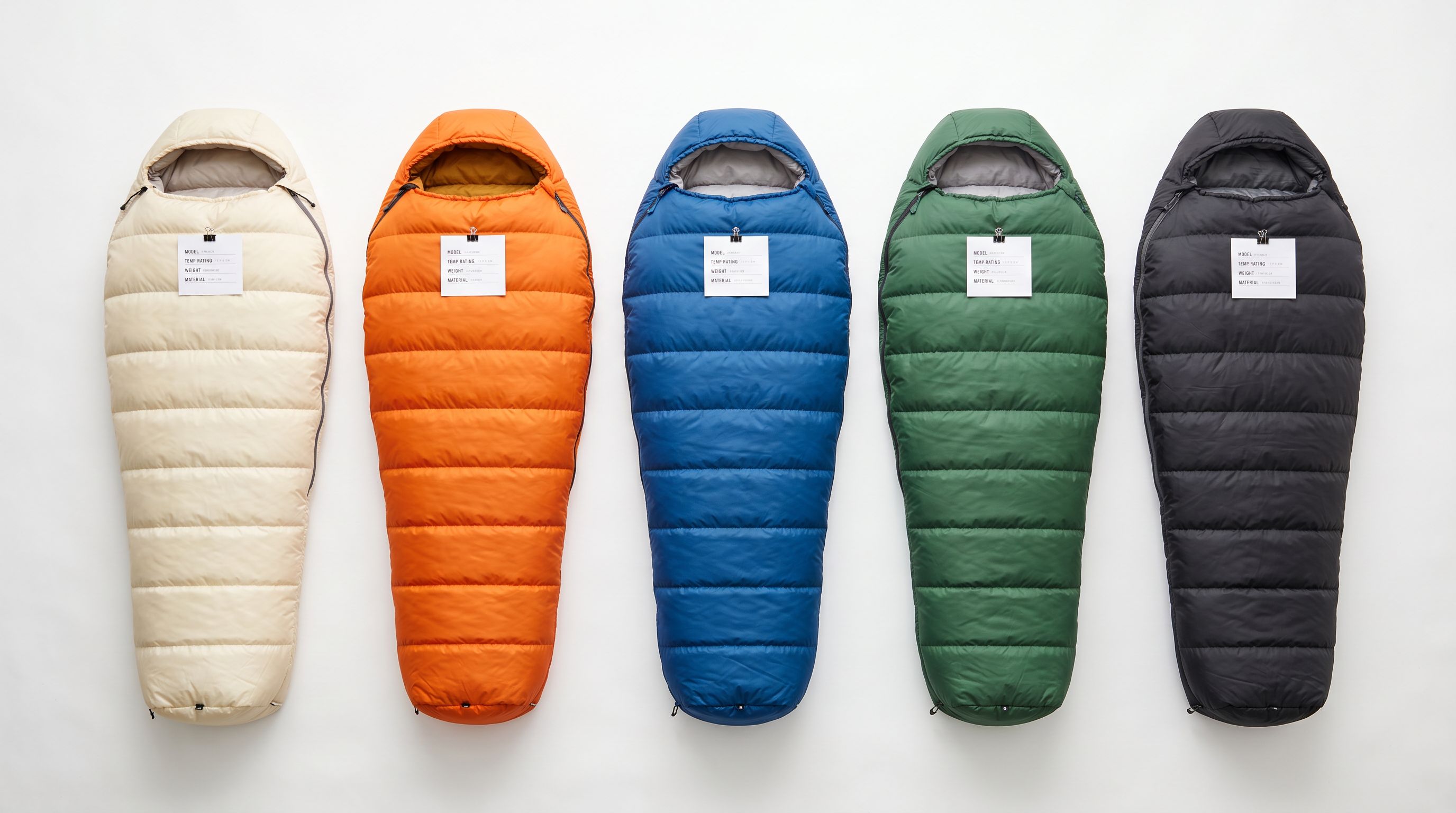
A buyer evaluating a physical product needs to see it from multiple angles. A single product image leaves buyers uncertain about features they cannot see: the back of a pack, the closure mechanism on a sleeping bag, the sole of a trail shoe. Multiple images (product front, back, detail shots, in-use context) reduce the uncertainty that stops purchase completion.
Image completeness is additive to the four data factors above. The Shopify product data quality article covers the five data fields that drive search and Shopping performance; image completeness operates at the conversion stage specifically. A product that ranks well in search and appears correctly in Shopping still loses conversion if the buyer cannot confirm the product matches what they need from available images.
For most merchants, the image gap is narrower than the description, GTIN, and metafield gaps: suppliers typically provide at least one product image. The conversion gain from moving from one image to four or five images is real but smaller in practice than the gain from moving a 90-word supplier description to a 300-word persona-generated description that answers the buyer's specific question.
Improve Shopify Product Data Conversion Rate with Store Scanner
- 01Step 1Open Importier's Store Scanner and scan your Shopify store. The scanner identifies all products missing descriptions, short descriptions under a threshold you set, products with no GTIN populated, and products with no category metafields assigned.
- 02Step 2Filter the scan results by collection or status to prioritise which products to enrich first. A collection that drives 40% of traffic but has thin data across 30% of its products is the highest-impact starting point.
- 03Step 3Select the products to enrich and choose which enrichment to apply: AI description generation, FAQ generation, GTIN lookup, or category metafield assignment via an Industry Pack. Importier applies the selected enrichment across selected products in one session.
- 04Step 4After enrichment, monitor the specific product pages that were updated. Improved conversion on those pages shows in Shopify Analytics within 2-4 weeks of meaningful post-enrichment traffic.
The Store Scanner produces the same result as a manual audit (a list of which products lack which data fields) without opening each product page individually. For a 180-product catalogue, a Store Scanner audit takes minutes rather than the hours a manual review requires.

Key Takeaways
Shopify product data conversion rate optimisation targets the product level before the store level. Enriching description specificity, GTIN coverage, category metafields, and FAQ depth for thin products lifts the aggregate conversion rate because it converts visitors who previously arrived and left without buying.
Key points:
- A store's aggregate conversion rate is the weighted average of each product's individual rate. Thin products that attract visits but do not convert drag the aggregate down.
- Description specificity is the primary conversion factor: a description that leads with the attribute the buyer came to verify closes the purchase decision faster.
- GTIN presence enables richer Google Shopping eligibility and provides a trust signal for buyers evaluating an unfamiliar store.
- Category metafields make Shopify's filter system and AI Shopping queries work. A product without metafields is invisible to filtered searches.
- FAQ coverage eliminates pre-purchase uncertainty that causes buyers to abandon before checkout.
- Store Scanner identifies which products need enrichment without a manual audit of each product page.
Start with your highest-traffic, lowest-converting products. Enrich descriptions, populate GTINs, assign category metafields, and add FAQs at importier.app. Growth plan and above includes the full Industry Pack library and the FAQ Generator.
Set up your first import in under five minutes.
Importier brings products into Shopify with AI descriptions, category metafields, and data enrichment on every run.