Shopify AI Shopping: Product Data Quality Is the New SEO
On this page
Shopify AI Shopping: Product Data Quality Is the New SEO
Traditional SEO optimised for keyword density. Shopify AI shopping is different. Google AI Mode, ChatGPT Shopping, and Perplexity Commerce do not match keywords against queries. They read your product title, description, structured category data, identifiers, and specifications, then synthesise a recommendation. Products that lack structured data return ambiguous signals. The AI agent picks the next product.
Shopify's research on AI in ecommerce found that three out of four ecommerce business owners now use AI tools in their operations. Most have not yet prepared their product data for the AI Shopping channel specifically. AI Shopping referrals convert at significantly higher rates than traditional referral traffic, but only for products that return structured, complete signals to AI agents.
The merchants who benefit most from shopify ai shopping are not the ones with the biggest catalogues. They are the ones with the most complete data.
Why Shopify AI Shopping Differs from Traditional Search
Traditional Shopping matched keywords in product titles against search queries. A title containing "waterproof hiking boots wide fit" could rank for that query if the page had sufficient authority and the bid was competitive.
AI Shopping agents work differently. Google's AI-powered Shopping documentation describes how these systems synthesise structured data across multiple sources to generate recommendations rather than just matching keywords. The agent does not look for a page containing those exact words. It reads the product's semantic content: what the title describes, what the description says about the product's properties, what the category taxonomy indicates about the product type, and whether the GTIN confirms the product's identity against known product databases.
This is a meaningful shift for merchants who have spent years optimising keyword placement. A title that reads "Trailblazer Pro 3000X" gives an AI agent no structured signal about what the product is. A title that reads "Waterproof Hiking Boots, Wide Fit, Vibram Sole, Size 8-14" gives the agent product type, fit specification, sole material, and size range. The agent can now answer "what are the best waterproof hiking boots for wide feet" with a specific, sourced recommendation.
There is also a volume fallacy worth addressing directly. More products do not mean better AI Shopping performance. A merchant with 200 products and complete, structured data competes against merchants with 10,000 products and incomplete data. AI agents rank by data quality, not by catalogue size. That is a significant competitive opportunity for smaller merchants who are willing to do the data work.
The Five Fields Shopify AI Shopping Evaluates
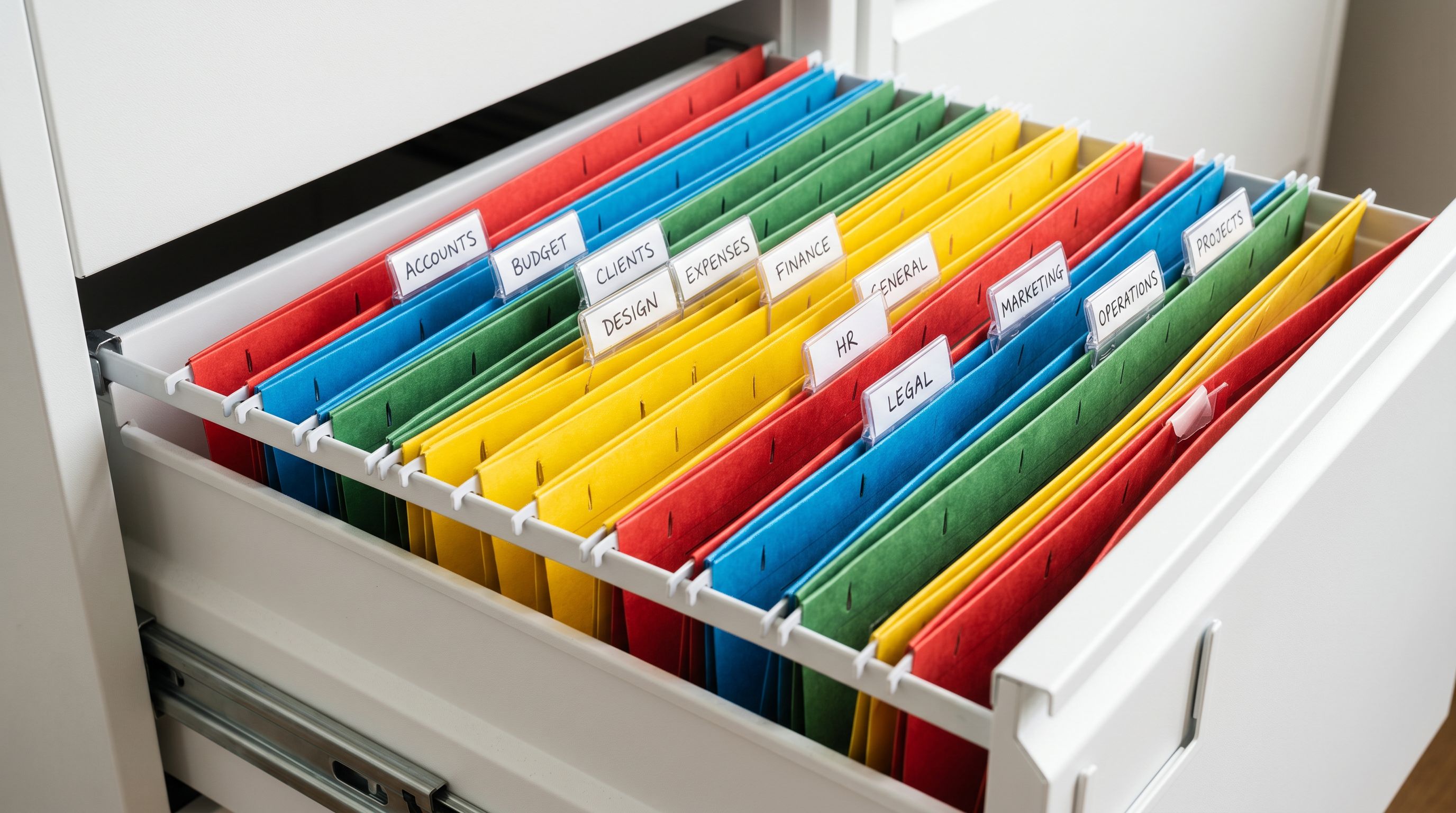
Five fields determine whether a Shopify product appears in AI Shopping results. Each maps directly to an Importier feature.
Product Titles
AI Shopping agents use product titles as the primary signal for product identity. Titles that describe the product clearly, with product type front-loaded and key specifications in a consistent order, perform well. Titles that use internal naming conventions or warehouse abbreviations do not.
Google Merchant Centre's title limit is 150 characters. Titles that exceed this truncate at the 150th character in Shopping placements, not at a word boundary. Supplier CSV titles frequently use ALL CAPS formatting and embed internal codes like "SKU-0042" that consume character budget without informing the agent.
Importier's Title Optimizer includes a Google Merchant Centre preset that enforces the 150-character limit, applies case transformations (Title Case, Sentence case, or lower), removes trailing internal codes, and front-loads the product type and brand. Keyword front-loading is particularly effective for AI Shopping because agents weight the first descriptive tokens of a title more heavily when parsing product identity.
Descriptions
AI Shopping agents read descriptions to understand the product in depth. Thin descriptions and descriptions duplicated across multiple stores create ambiguity in AI evaluation.
Consider a wholesale accessories merchant importing 300 handbags. Their supplier provides a 120-word description used verbatim across 60 other stores. An AI agent sees the same text on 60 competing product pages. It assigns no differentiation signal. The same merchant running those 300 descriptions through Importier's Store Scanner in Replace mode with the Benefits-First style and a fashion accessories persona produces unique, structured content per product. The AI agent can now distinguish one store's listing from all competing listings.
A merchant with 200 products and complete data competes against merchants with 10,000 products and incomplete data.
Importier supports 7 description styles and 156 expert personas across 43 industries. For fashion and accessories, Benefits-First and Emotional Storytelling build the semantic depth AI agents reward. For electronics, Technical Gadget. For food and wellness, Sensory-Rich and Ingredient Spotlight. For a deeper look at generating AI descriptions that differentiate your products, see Shopify AI product descriptions: the complete guide.
Category Taxonomy and Metafields
AI Shopping agents use structured category data to compare products within a query. When a shopper asks "what is the best mountain bike under $800", the agent needs to know which products are mountain bikes, what their wheel size is, what frame material they are built from, and what their weight rating is. This structured data lives in category metafields.
Without category metafields, your product lacks the comparison signals AI agents need. The agent may still surface it, but it cannot confidently recommend it over a competing product with complete category data for that query.
Importier assigns category metafields using 22 industry packs covering 3,758 attribute types. Two-phase matching handles straightforward cases with text matching and ambiguous ones with AI matching. It runs retroactively via Store Scanner on existing Shopify products that were imported before metafields were set up.
GTINs and Identifiers
GTINs (EAN-13, UPC-A, ISBN formats) are how AI Shopping agents resolve product identity across data sources. When an agent generates a recommendation for a specific product, it uses the GTIN to confirm it is looking at the same product across all competing stores. Products without valid GTINs return ambiguous identity signals. The agent cannot be certain your listing matches the product the shopper is researching.
The common failure is not a missing Barcode field. It is a populated but invalid one. Supplier catalogues routinely include internal stock codes in the Barcode column: values like "SON-1000-BLK" or "BELT-001". These pass Shopify's CSV import without error because Shopify does not validate barcode format. AI agents and Google Merchant Centre both do.
A homewares retailer importing from six suppliers typically finds that 40-60% of products carry internal codes in the Barcode field. They look populated in the Shopify admin, so the merchant assumes the data is clean. The first indication something is wrong is a Google Merchant Centre Diagnostics report showing "Invalid value [gtin]" across hundreds of products.
Importier's barcode lookup searches product identity databases per product using the title, type, and vendor as inputs. It fills only confirmed GTINs and leaves the field blank when no match exists. A blank Barcode field is preferable to a populated invalid one. For private label and custom-manufactured goods without registered GTINs, Google's identifier exemption policy lets merchants mark those products as identifier_exists: false rather than leaving the field blank or populating it with an internal code.

Specifications and Attributes
When a shopper asks "what are the lightest trail running shoes under 200g in size 10", the AI agent reads specification fields to filter candidates. Products without weight, dimensions, materials, or compatible specifications cannot be included in attribute-based recommendations.
A kitchen appliance merchant with missing wattage, capacity, and dimensions data is excluded from any query that specifies those attributes. The product may have the right title and a strong description, but without the specifications that answer the query, it never enters the result set.
Importier's data enrichment fills missing attributes from publicly available product information: weight, HS codes, country of origin, product type, and category. For physical products where attribute-based queries are common, complete specifications are often the deciding factor between appearing in the recommendation and being excluded from it.
- Supplier titles with internal codes and ALL CAPS formatting
- Duplicate descriptions across 40-60 competing stores, no differentiation signal
- No category metafields, agent cannot compare by attribute
- Invalid GTINs from supplier stock codes, ambiguous product identity
- Missing weight, dimensions, materials: excluded from attribute queries
- GMC-optimised titles with product type front-loaded, 150-character limit enforced
- Unique AI descriptions per product across 7 styles and 156 personas
- 22 industry packs assign 3,758 attribute types across the catalogue
- Confirmed GTINs from barcode lookup, blanks left blank not guessed
- Data enrichment fills weight, HS codes, and attributes for specification queries
What to Do Now
Five Steps to Prepare for Shopify AI Shopping
These steps are ordered by impact. Descriptions affect the largest surface area in a single session. Work through the structural data fields after the content layer is in place.
- 01Run Store Scanner in Replace mode on all products with descriptions under 150 wordsselect the style and persona that matches your product category (Benefits-First for fashion, Technical Gadget for electronics, Sensory-Rich for food and wellness). Set the filter to descriptions under 150 words and run. The full AI pipeline generates a new description, SEO meta title, and meta description per product in one batch
- 02Assign category metafields using the industry packs that match your cataloguerun the two-phase matcher across all products. For existing products already in Shopify, Store Scanner assigns metafields retroactively. A sporting goods merchant with 500 products across 12 categories typically completes this in one session
- 03Run barcode lookup on products with missing or invalid GTINscheck Merchant Centre Diagnostics for 'Invalid value [gtin]' to scope the problem first. The lookup fills only confirmed GTINs and leaves the field blank when no match exists
- 04Apply the GMC preset in Title Optimizerrun the compliance checker to flag titles exceeding 150 characters, apply Title Case, remove trailing internal codes, and front-load the product type
- 05Run data enrichment on products missing weight, dimensions, and materialsthese fields power attribute-based filtering for specification queries. Enrichment fills weight, HS codes, country of origin, and barcodes in the same run
For a complete breakdown of how each data field affects search, Shopping, and shipping outcomes, see Shopify product data quality: the five fields that determine outcomes. For more on how product data affects Shopping campaign performance specifically, see fixing product data gaps for Google Shopping.
Key Takeaways
- AI Shopping agents from Google AI Mode, ChatGPT Shopping, and Perplexity evaluate five product data fields: titles, descriptions, category taxonomy, GTINs, and specifications. Missing structured data in any of these fields reduces or eliminates Shopify AI shopping visibility.
- Data quality beats volume. A catalogue of 200 products with complete, structured data outperforms a catalogue of 10,000 products with incomplete data in AI Shopping results. Catalogue size is not a competitive advantage when data is the evaluation criterion.
- Duplicate supplier descriptions reduce AI Shopping visibility. Running Store Scanner in Replace mode with 7 description styles and 156 expert personas across 43 industries generates unique, semantically rich descriptions per product.
- The most common GTIN failure is a populated but invalid Barcode field. Supplier internal codes like "BELT-001" look populated in Shopify admin but fail AI agent and Merchant Centre identity checks. Importier's barcode lookup fills only confirmed GTINs.
- Category metafields from Importier's 22 industry packs (3,758 attribute types) provide the comparison signals AI agents need to answer attribute-specific queries. Without them, your product lacks the structured data that differentiates it from competing listings.
See how Importier handles this at importier.app.
Set up your first import in under five minutes.
Importier brings products into Shopify with AI descriptions, category metafields, and data enrichment on every run.