Shopify AI Descriptions All Look the Same: How to Fix It

On this page
A pet supplies merchant generates AI descriptions for 80 products after a large import: dog bowls, leads, harnesses, beds, and chew toys. Two hours later they review the output and notice that Shopify AI descriptions all look the same. Every description opens the same way: a feature-forward statement, two or three benefit sentences, a specs paragraph, and a closing sentence linking back to the brand promise. The vocabulary overlaps heavily. Words like "premium", "durable", and "designed for" appear across dozens of product pages.
This is the Shopify AI descriptions all the same problem. The merchant generated descriptions with a single AI model, a single description style, and no variant-specific instructions. The AI did exactly what it was told: it applied the same template to every product. The result is a catalogue where 80 pages feel identical in structure even if the specific words differ.
Google's quality systems treat appreciably similar content as thin content. A catalogue where 30 dog lead descriptions share the same opening paragraph structure, the same benefits arc, and the same vocabulary signals low-effort content generation, not a curated merchant recommendation. The fix is not to write descriptions manually; it is to use the variation tools AI provides.
Why AI descriptions fall into a repetitive pattern
AI description generators, including Importier's, produce output based on the inputs the merchant provides: the product data, the selected style, the selected model, and any brand voice instructions. When those inputs are identical across 80 products, the outputs converge.
The specific convergence patterns vary by product type:
- Fashion and accessories: descriptions cluster around "crafted from", "flatters", and "available in X colours". Every jacket description mentions "warmth", "versatility", and "everyday wear".
- Pet supplies: "your pet deserves", "designed for", and "durable construction" appear across every lead, harness, and bowl.
- Electronics and gadgets: "seamlessly", "effortlessly", and "intelligent" dominate. The benefits arc is identical: problem (annoying cables) → solution (this product) → outcome (enjoy more).
- Supplements and health: "supports", "clinically formulated", and "your wellness journey" repeat across flavours and dosage forms.
None of these phrases are wrong. The problem is frequency. Thirty pages that all open with "Your pet deserves the best" are not thirty unique pages: they are one page with thirty slugs.
The five sources of description variety in Importier
Importier gives merchants five independent levers for creating variety across a catalogue. Using even two or three of them eliminates the convergence problem.
1. Description style
Importier offers 7 description styles: Standard, Technical Gadget, Emotional Storytelling, Benefits-First, Sensory-Rich, Ingredient Spotlight, and Custom.
Standard is the default and produces the feature-benefit-specs arc that most merchants recognise as repetitive. Assigning different styles to different product categories breaks the structural pattern immediately. A pet supplies store might use Emotional Storytelling for beds and blankets (a comfort-focused product) and Technical Gadget for GPS trackers and training collars (a features-focused product). The output structure differs at the sentence level, not just in vocabulary.
2. Expert personas
Importier's 156 expert personas write from 43 different industry perspectives. Each persona has a distinct vocabulary set, emphasis pattern, and level of technical specificity. A dog lead described by the Canine Behaviourist persona reads differently from the same lead described by the Outdoor Lifestyle persona, not because the facts change, but because the emphasis, vocabulary, and implied customer change.
Rotating personas across product groups produces variety at the voice level. The Canine Behaviourist emphasises training utility, walking mechanics, and control. The Outdoor Lifestyle persona emphasises durability, trail conditions, and the experience of the walk. Both descriptions are accurate. Neither sounds like the other.
3. Custom sections
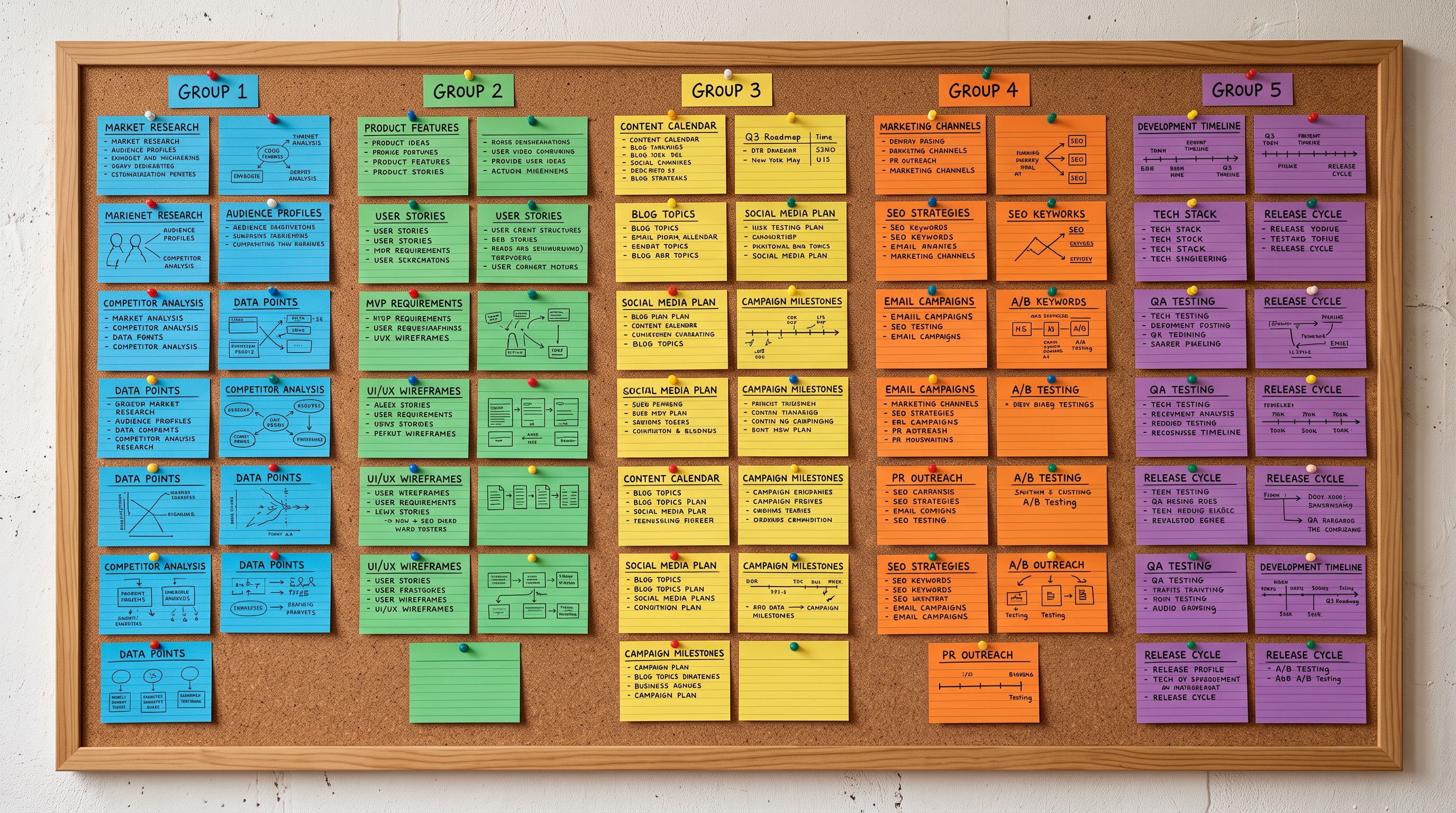
Standard AI descriptions include a default set of sections: key features, specifications, and a CTA. Custom sections allow merchants to replace or supplement the default structure with product-specific headings.
A harness description with a custom section titled "Fitting Guide" produces a page with a distinct structural element that no other product category has. A dog bed description with a custom section titled "What's Inside" (covering fill material and casing) is structurally different from a lead description with "Length Options". The custom section name becomes an anchor that forces the AI to address content the default template would never include, which breaks the repetitive arc at the structural level.
4. AI model selection
Different AI models produce different prose styles. Switching the AI model between product groups introduces vocabulary diversity that no style or persona setting achieves alone. A model with a more technical writing tendency produces tighter sentences with numerical specifics. A model with a more narrative tendency produces longer sentences with more sensory language. Alternating between two models across a 200-product catalogue produces descriptions that differ at the sentence construction level, not just in content.
5. Variant descriptions
When a product has multiple variants (size, colour, flavour, material), Importier can generate a separate AI description for each variant and store it as a metafield. Standard Shopify descriptions apply to the product level: one description covers all variants. Variant descriptions give each variant its own page content.
The variant description approach
How variant descriptions eliminate near-duplicate pages
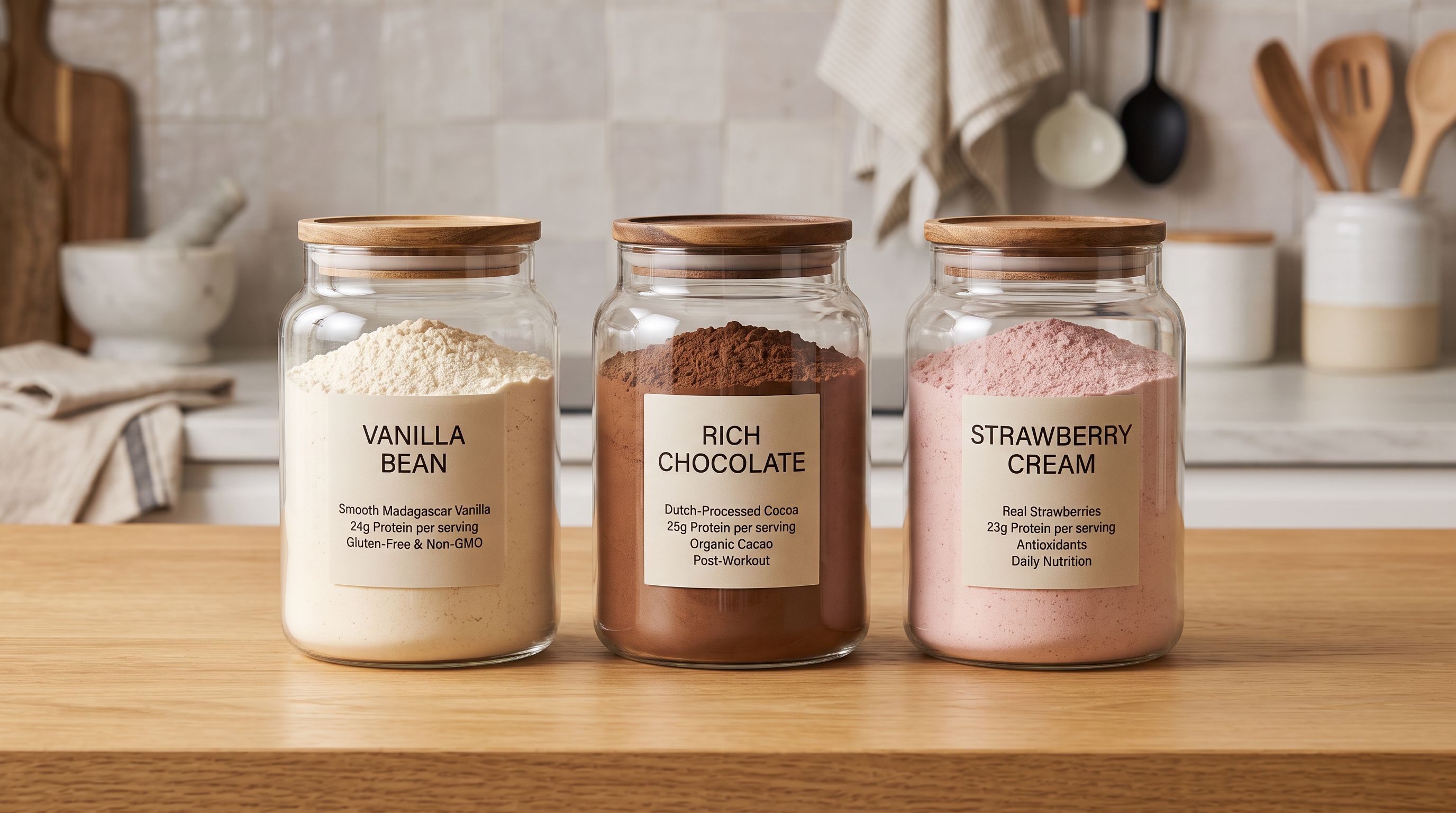
The near-duplicate problem is most severe in catalogues where multiple variants of the same product exist as separate product listings. A supplement brand with 12 flavours of a protein powder often lists each flavour as a separate Shopify product. Without variant descriptions, all 12 pages share the same core description with only the flavour name changed in the opening sentence.
The variant descriptions feature stores an individual AI description per variant combination. For a protein powder with 12 flavours, Importier generates 12 descriptions (one per flavour), each emphasising the taste profile, texture, and use context specific to that flavour. Chocolate descriptions emphasise richness and mixing characteristics. Vanilla descriptions emphasise versatility and use as a baking ingredient. Unflavoured descriptions emphasise the absence of artificial inputs and the neutrality suitable for stacking with other supplements.
Each flavour page now has unique content at the product description level. The structural variation comes from the flavour-specific context; the vocabulary variation comes from the genuinely different use cases each flavour represents.
- One description applied to all 12 flavours
- Only flavour name changes between pages
- Same opening, same benefits, same arc
- Google sees 12 near-identical pages
- Weak individual page authority
- Separate AI description per flavour variant
- Flavour-specific taste, texture, and use context
- Each page has a distinct structural anchor
- Google sees 12 unique pages on supplement flavours
- Each page builds independent topical authority
Applying variety across a large catalogue
For a merchant with 300 products across five categories, a practical approach is to segment by category and assign different combinations of style, persona, and model per segment:
- 01Export the product list and tag each product with its category (dog beds, leads, harnesses, bowls, toys)
- 02In Importier's Store Scanner, filter by collection or tag to isolate each category
- 03For each category, select a distinct description style and persona combination before running generation
- 04Run generation on one category at a time, reviewing output for pattern repetition before moving to the next
- 05For variant-heavy products, enable variant descriptions to generate per-variant content stored as metafields
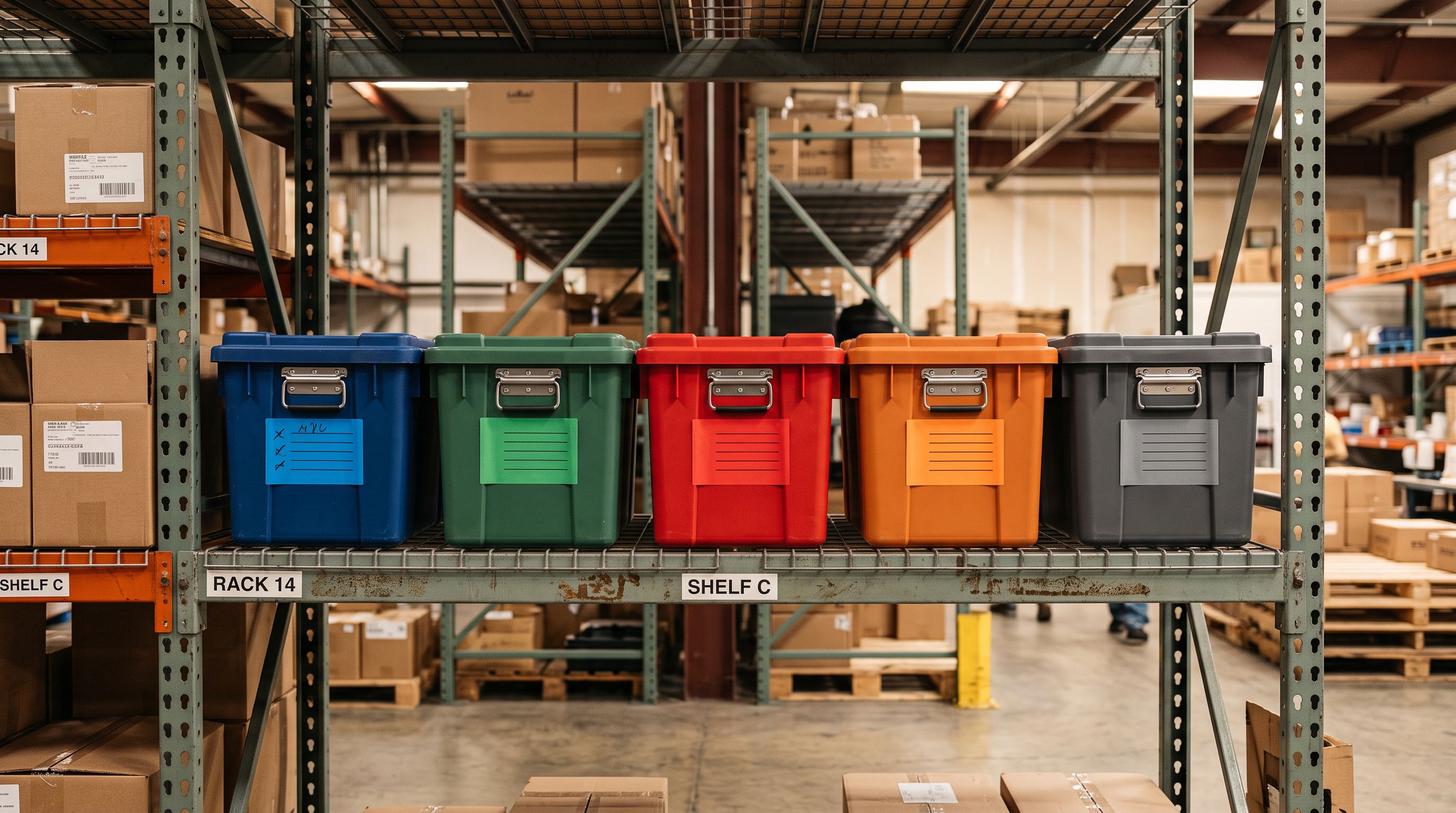
This produces a catalogue where category sections have internally consistent voices (all bed descriptions use Emotional Storytelling and the Interior Designer persona) while differing in structure from other categories (all electronics use Technical Gadget and the Consumer Electronics Specialist persona). The cross-category variety is immediately visible. Within each category, the consistency is intentional: it signals editorial depth rather than random generation.
Thirty descriptions that all open the same way are not thirty pieces of content. They are one piece of content with thirty addresses. The fix is not to write manually; it is to use the variation tools AI already provides.
According to Shopify's guidance on product content for search, unique product descriptions improve search discoverability. Each product page competes on its own for search terms; a page with a generic description shared across a product group competes on fewer terms and ranks for none of them distinctively. Descriptions that speak to variant-specific use cases, audience-specific language (via personas), and category-specific structure (via custom sections) create a larger total search footprint across the catalogue.
Key takeaways
- AI descriptions converge when inputs are identical. Using one model, one style, and no persona instructions across 300 products produces structural and vocabulary repetition that Google's quality systems classify as appreciably similar content.
- Description styles change the structure, not just the words. Emotional Storytelling and Technical Gadget follow different sentence-level arcs, which breaks the repetitive pattern at the most visible level.
- Expert personas change the vocabulary and emphasis. A Canine Behaviourist and an Outdoor Lifestyle persona produce descriptions of the same lead that emphasise different audience contexts and use different vocabulary pools.
- Custom sections introduce unique structural anchors. A "Fitting Guide" section or a "What's Inside" section forces the AI to address content that generic descriptions omit, which differentiates pages at the content level, not just the phrasing level.
- Variant descriptions solve the near-duplicate problem at its source. When each flavour or colour or size has its own AI-generated description, Google sees distinct content at each URL instead of near-identical pages.
Fix repetitive AI descriptions for your Shopify catalogue at importier.app.
Set up your first import in under five minutes.
Importier brings products into Shopify with AI descriptions, category metafields, and data enrichment on every run.