How to Write Unique Descriptions for Every Shopify Product Variant
On this page
One description per product. That is how Shopify works out of the box, and for many products it is fine. But for a clothing store where the same garment comes in eight colourways, or a supplements merchant whose protein powder has twelve flavours with different nutritional profiles, one shared description is a problem.
The buyer looking at a "Midnight Blue" hoodie and the buyer looking at the "Washed Grey" version are not reading the same page in any meaningful sense. If both variants share one description, you are doing two things at once: giving Google nothing to differentiate between variant content, and giving buyers no reason to read past the product title.
Importier's Variant Descriptions feature generates a unique AI description for every variant in your catalogue and stores each one as a Shopify metafield. When a buyer selects a variant, the displayed description updates to match. One run, across however many variants your catalogue contains.
Why One Description Falls Short
Shopify's product model gives each product a single description field. Every variant of that product inherits the same content. That works when variants are straightforward differentiators (three sizes of the same folding table, for instance), but breaks down when variant attributes meaningfully change what a buyer needs to know.
Consider a supplement store selling protein powder in twelve flavours. Each flavour has a distinct taste profile, different ideal use cases (some suit baking, some suit shakes), and different nutritional notes worth calling out. A single description written for the product as a whole can only speak in generalities. It cannot address the buyer who has already chosen Chocolate Mint and wants to know exactly what they are getting.
The same problem applies across categories:
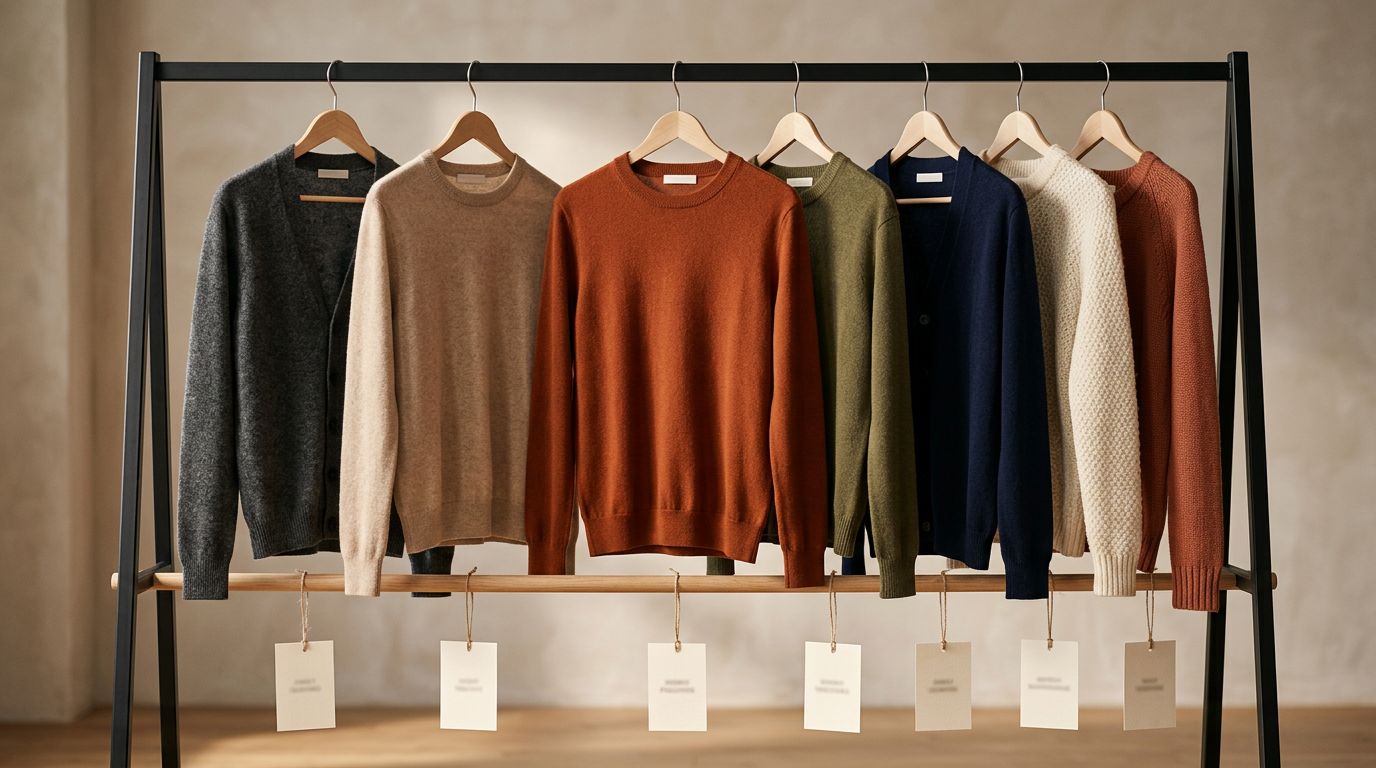
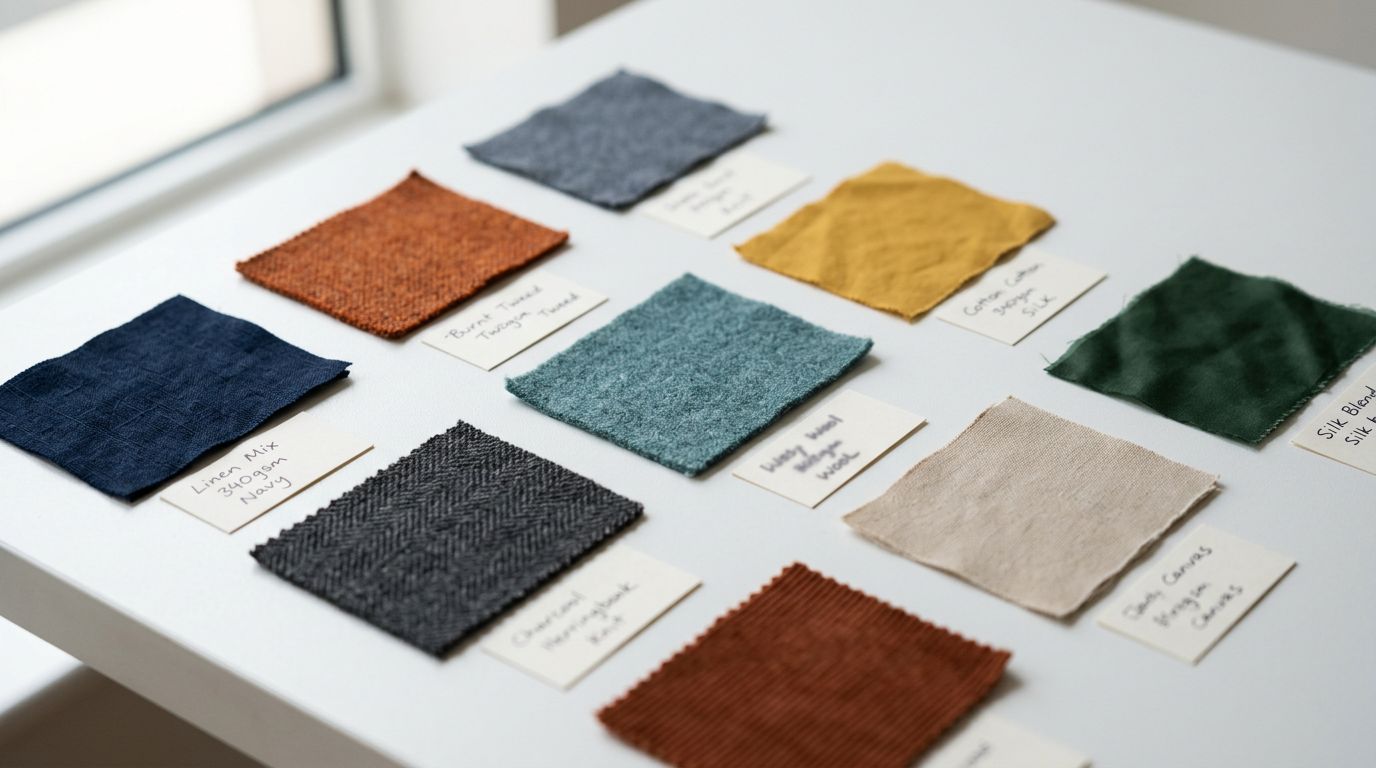
- Fashion: styling suggestions, mood, and aesthetic differ by colourway and material
- Electronics: compatibility notes, voltage specifications, and safety requirements differ by region variant
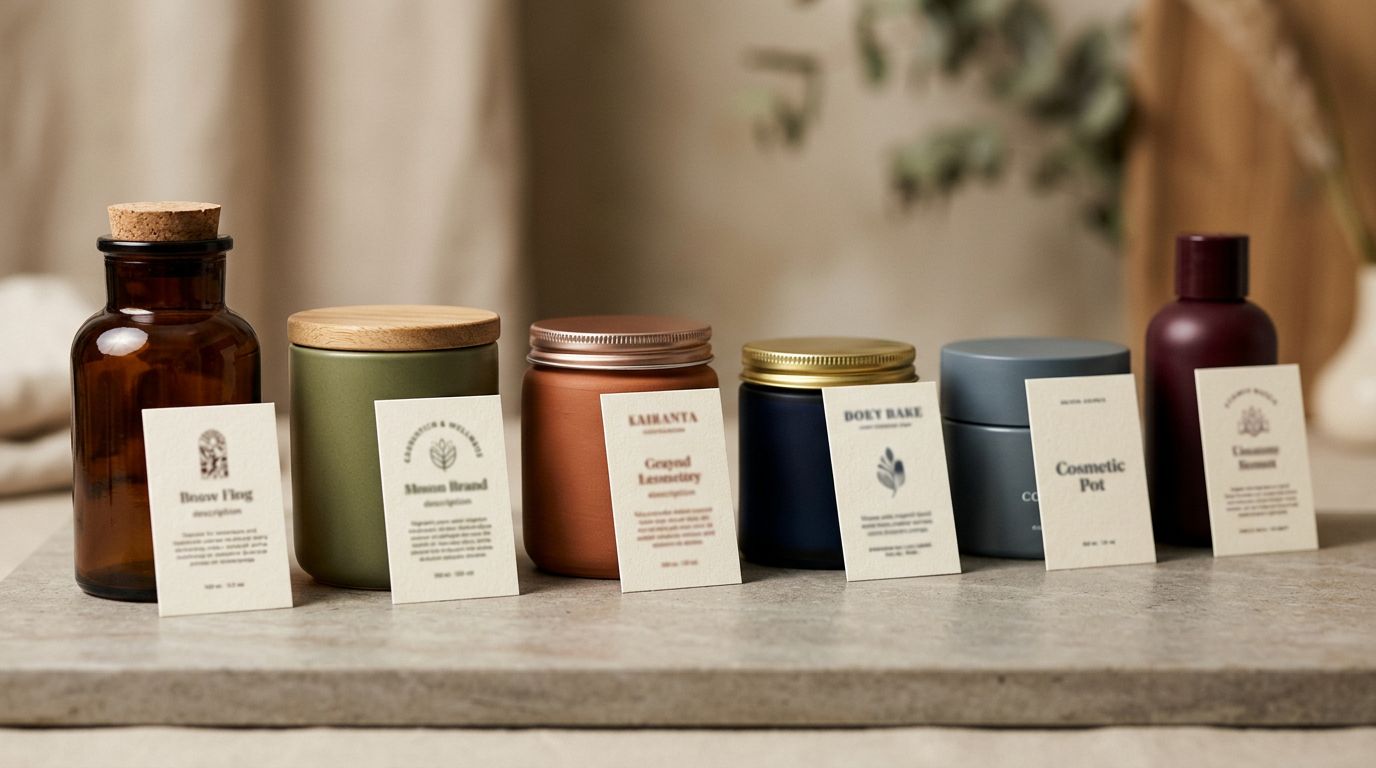
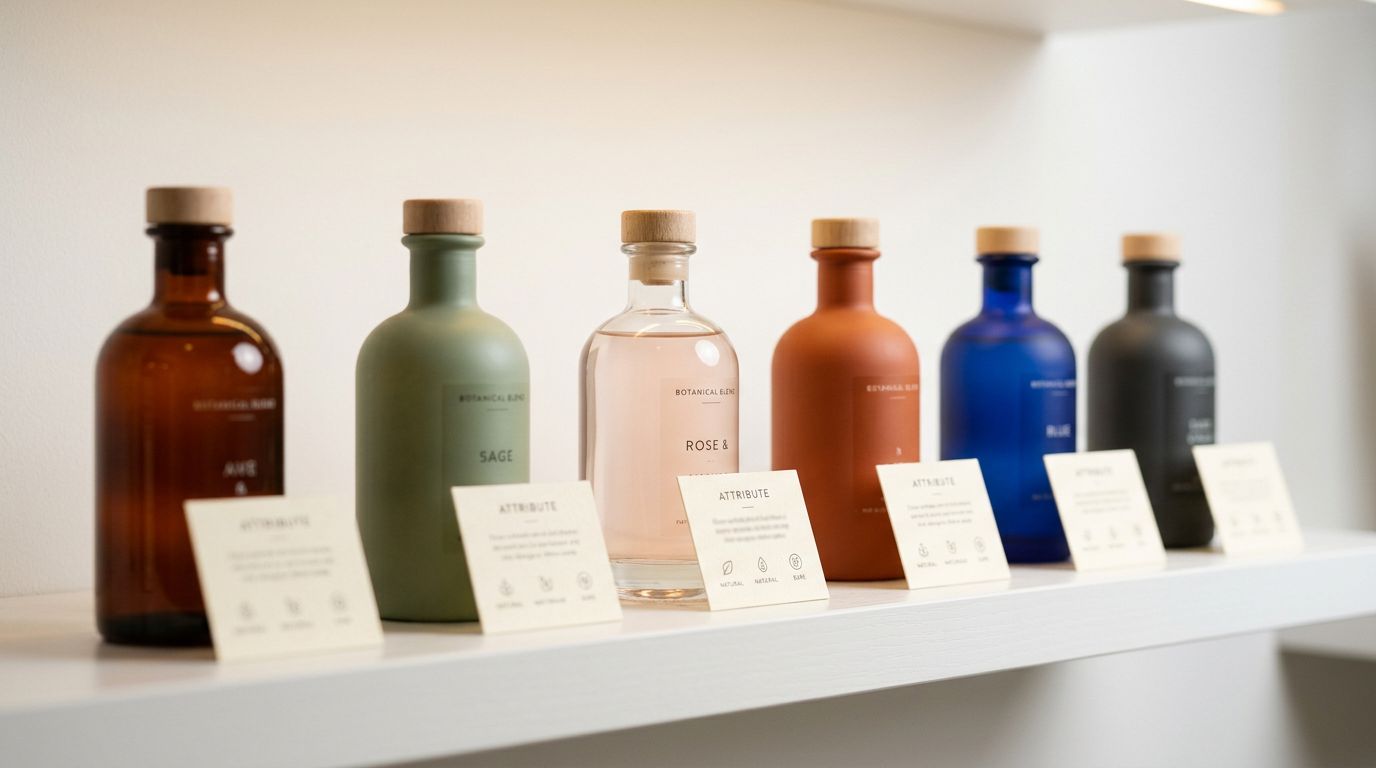
- Fragranced products: scent profiles, top and base notes, and use-case recommendations differ by scent
- Food and beverage: flavour descriptions, pairing suggestions, and nutritional highlights differ by variant
- Home goods: dimension-dependent assembly notes, weight capacity, and styling context differ by size
When a buyer selects a variant and the description remains unchanged, the page reads as generic. When the description updates to address what they have selected, it answers the question they are actually asking.
When the description updates to address what they have selected, it answers the question they are actually asking.
The SEO Case for Per-Variant Descriptions
Shopify does not create separate URLs for each variant by default. All variants share the same product URL, with only a query parameter indicating which variant is selected. Google indexes one page per product: one set of content signals, regardless of how many variants exist.
If that single description is written in generalities that apply to all variants, it is thin on the differentiated content that Google rewards. SEO-optimised product descriptions need depth and specificity. A description that speaks to one variant's actual attributes (the flavour, the colourway, the material, the specifications) is inherently more specific than one written to cover a dozen variants simultaneously.
Variant descriptions stored as metafields change what appears on the page when a variant is selected. The structured content updates. Time-on-page improves when buyers read content that speaks directly to their choice. These are signals that feed into page quality assessments over time, and they are signals that a generic shared description simply does not produce.
How Importier's Variant Descriptions Feature Works
Importier generates unique AI descriptions for each variant individually, using the variant's own attribute data as input. The output is stored as a Shopify metafield on the variant object, not on the parent product.
The AI draws on:
- The variant's option values (colour, size, flavour, scent, material, voltage, and any other configured options)
- The parent product title and existing product description
- The product type, vendor, and tags
For a protein powder product with variant options "Flavour: Chocolate Mint" and "Size: 1kg", the AI generates a description that addresses the Chocolate Mint taste profile, its ideal applications, and what the 1kg size means in practical terms. It does not copy the parent description with the variant name substituted in. The variant's attributes drive the content.
You configure the generation using the same settings available for standard Importier descriptions:
- AI model: 25 models across four plan tiers, including Claude, GPT, Gemini, Llama, Mistral, DeepSeek, Grok, and Amazon Nova
- Description style: Standard, Technical Gadget, Emotional Storytelling, Benefits-First, Sensory-Rich, Ingredient Spotlight, or Custom
- Persona: 156 expert personas across 43 industry categories (a Nutritionist persona for supplements, a Fragrance Expert for cosmetics, a Technical Writer for electronics)
- Tone: Professional, Casual, Persuasive, Luxurious, or Technical
The right combination depends on the product category and the buyer. A fashion retailer using Emotional Storytelling with a "Stylist" persona produces different output than a supplements merchant using Sensory-Rich with a "Sports Nutritionist" persona. Both draw on the same variant attribute data, processed through a different lens.
The Scale Problem
Writing variant descriptions manually is multiplicative in a way that product descriptions alone are not.
A catalogue with 150 products and an average of six variants each contains 900 variant descriptions to write. At 15-20 minutes per variant description (accounting for reading the variant attributes, differentiating from the parent description, and maintaining quality), that is 225-300 hours of writing work.
For a food and beverage merchant with twelve flavours across thirty product lines, that is 360 individual flavour descriptions. For a fashion retailer with eight colourways across sixty styles, that is 480 colour-specific descriptions. These numbers scale quickly past what any content team can absorb without months of work.
The quality problem compounds the time problem. Writers producing hundreds of variant descriptions under time pressure converge on the same phrases and structure. The specificity that makes variant descriptions valuable is exactly what degrades first when volume and speed are in conflict: the fact that this description is about this variant's actual attributes, not a shared template.
Importier generates variant descriptions in bulk. A 150-product catalogue with six variants each processes in a single run, with each description generated from that variant's own attribute data. The specificity is maintained across the full catalogue without manual effort.
How Variant Descriptions Are Stored and Displayed
Importier writes each variant description to a Shopify metafield attached to the variant object. The namespace is accessible to Liquid-based storefronts without theme modifications on most modern Shopify themes.
For stores using Shopify's Dawn theme or any theme updated for metafield display, connecting the variant description metafield to the product description section takes a few clicks in the theme editor: select the description block, connect it to the variant metafield, and the display updates dynamically when variants are selected.
For themes that do not natively support dynamic metafield display, a short Liquid snippet added to the product template handles the variant switching logic. When a buyer selects a different variant, the snippet reads the metafield value for that variant and updates the visible description. Importier's documentation covers this for the most common theme structures.
The technical pattern of storing content per variant as metafields and displaying it via Liquid is well established in Shopify's ecosystem. Importier's role is generating the content that makes the pattern worth implementing.
When Variant Descriptions Are Worth Generating
Variant descriptions produce clear value when the variant options meaningfully change what a buyer needs to know.
High value:
- Flavoured, scented, or coloured products where the experience of each variant is distinct
- Multi-voltage or region-specific electronics with different safety and compatibility requirements
- Products where size changes functional specifications: capacity, weight rating, coverage area
- High-consideration products where buyers are comparing variants rather than simply selecting a preference
Lower value:
- Products where all variants are functionally identical and differ only by a neutral attribute (a basic white-label accessory available in three neutral colours)
- Products with very short descriptions where per-variant differentiation would add less than a sentence of meaningful content
- Products where a single size or flavour dominates sales and the minority variants are rarely selected
For most merchants selling fashion, food and beverage, cosmetics, supplements, or electronics, the majority of the catalogue falls in the high-value category.
Pairing Variant Descriptions with Data Enrichment
The quality of AI-generated variant descriptions depends on the richness of the variant attribute data available in Shopify.
If your variants have complete, specific option values ("Flavour: Salted Caramel", "Scent: Bergamot and Cedar", "Material: Brushed Stainless Steel"), the AI generates specific, useful descriptions. If your variants are labelled with generic options ("Size: S", "Colour: Blue"), the output is necessarily more generic because the input is thin.
Running Importier's data enrichment before generating variant descriptions improves the input available to the AI. Enrichment fills missing product-level fields like product type, vendor, and category attributes, all of which contribute to the context the AI uses when generating variant content.
If your catalogue was imported from a supplier CSV, your variant option data is probably what the supplier provided. That may be detailed enough, or it may need work. A review of the variant options in your Shopify admin tells you quickly whether there is enough specificity for the AI to produce differentiated output.
Setting Up Variant Descriptions
Before running Variant Descriptions, check that your variants have sufficient option data. Products with specific, descriptive option values produce the most differentiated output.
To generate variant descriptions:
- 01Open ImportierLaunch Importier from your Shopify admin
- 02Navigate to Variant DescriptionsGo to AI Content in the left navigation, then Variant Descriptions
- 03Select productsChoose the products or collections to target
- 04Configure generationChoose your AI model, description style, persona, and tone
- 05Preview and confirmPreview the scope and confirm the variant count
- 06Run the generatorStart the generation process across your selected variants
Importier processes each variant individually, generates the AI description from that variant's attributes, and writes the output to the variant's metafield in Shopify. A catalogue with 500 variants generates in minutes. After the run, connect the metafield to your product description display in the theme editor, or use Importier's Liquid snippet guide for custom theme implementations.

Building a Complete On-Page Content Package
Variant descriptions are one part of a complete product page content stack. The full set includes:
- A keyword-front-loaded product title via the Title Optimizer
- A strong parent product description covering the product as a whole
- Variant-specific descriptions stored as metafields, displayed when each variant is selected
- Category metafields from Shopify's Standard Product Taxonomy (22 packs, 3,758 attribute types)
- FAQ sections addressing top purchase questions via the FAQ Generator
Running these in sequence (title, parent description, variant descriptions, FAQs) produces a product page where every element is intentional and specific. For a catalogue that previously shipped with one generic description shared across every variant, that is a significant improvement in both content depth and conversion potential.
Try Importier free at importier.app
Related Articles
Set up your first import in under five minutes.
Importier brings products into Shopify with AI descriptions, category metafields, and data enrichment on every run.