Shopify Product Descriptions for Every Buying Stage
On this page
Shopify Product Descriptions for Every Buying Stage
A buyer who found your product through a gift guide is at a different stage than a buyer who has compared three alternatives and is back on your page ready to pay. The first buyer has not yet decided this product is for them. The second buyer is deciding whether to trust you enough to complete the purchase.
The same description cannot convert both buyers equally. The Awareness buyer needs an emotional picture of themselves with the product. The Decision buyer needs a specific reason why your version is the right choice against the alternatives they just reviewed. Writing one product description and hoping it serves the entire buyer journey is the most common reason that product pages attract traffic without converting it.
The 4 Buying Stages and What Each Buyer Needs
The buyer journey through a Shopify catalogue falls into four recognisable stages, each with a different information requirement:
Awareness. The buyer has a need but has not committed to a product or category. They are browsing, exploring gift ideas, or early in research. They respond to story and aspiration. A technical specification sheet sends them away because they have not yet decided they need this class of product at all.
Consideration. The buyer knows what they want and is comparing options. They read specifications to distinguish your product from similar ones. They weigh benefits to assess whether the tradeoffs fit their situation.
Decision. The buyer is ready to purchase but needs a final push. They want certainty: correct size, right version, reliable delivery, and confidence that returns are handled. Ambiguity at this stage loses the sale.
Retention. The buyer has already purchased. They return to the product page for setup help, FAQ answers, compatibility questions, or to confirm a feature before recommending the product. A page heavy on story and light on functional detail serves them nothing.
Awareness Stage: Story Before Specification
The Awareness buyer has not committed to the product category. They need to see themselves using it before any specification will land.
Importier styles: Emotional Storytelling or Sensory-Rich. Emotional Storytelling opens with a scene or a problem the buyer recognises from their own experience. Sensory-Rich leads with materials, textures, and physical experience. Both earn the buyer's attention before they are ready to evaluate specifications.
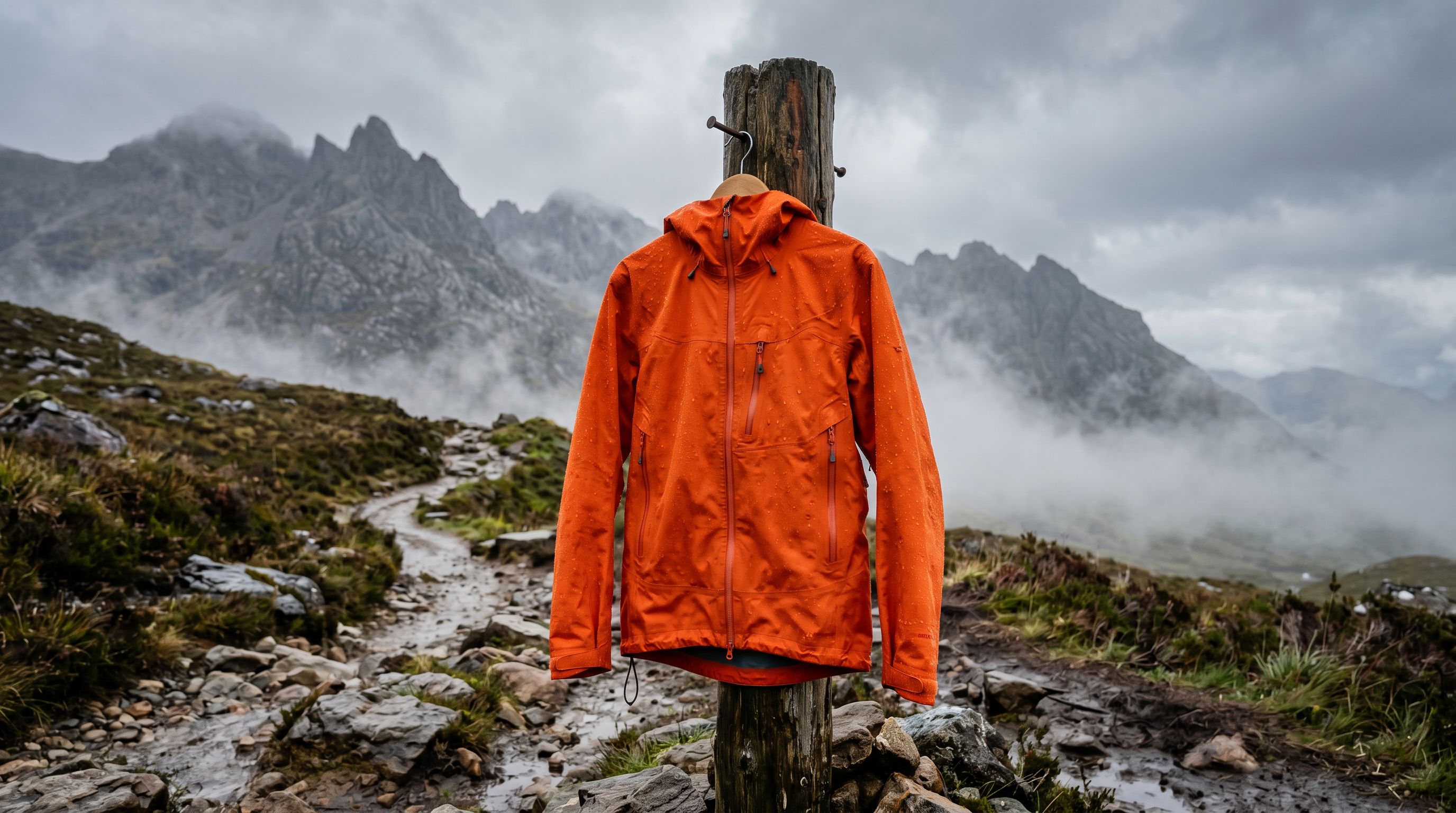
A hiking jacket for an Awareness buyer: "On wet days in the mountains, you either feel the rain on your base layer or you do not. This jacket is the difference between cutting a walk short and going further than planned."
No weight. No waterproof rating. No packability specification. Those details are irrelevant until the buyer has decided this product category is worth exploring further.
Awareness descriptions work in top-of-funnel contexts: new arrivals collections, gift guides, editorial landing pages, and cold-audience advertisements.
Consideration Stage: Benefits Grounded in Attributes
The Consideration buyer has already decided they want this type of product. They are comparing your version against alternatives. They need benefits that explain why yours is the right choice, grounded in specific attributes that allow direct comparison.
Importier style: Benefits-First. Benefits-First leads with the outcome the buyer wants, then immediately connects it to a product attribute. "Stays dry in sustained alpine rain" is a benefit. "Stays dry in sustained alpine rain (20,000mm hydrostatic head, seam-sealed throughout)" is a benefit grounded in a specification the buyer can compare against a competing product.
Generic benefit copy ("our most weatherproof jacket, great for any outdoor adventure") does not help the Consideration buyer. They need differentiating information, not superlatives. For technically complex products, Technical Gadget style fits the Consideration stage well. A buyer choosing between three standing desk converters needs weight capacity, monitor compatibility, and height range, not a lifestyle narrative.
- Our most versatile outdoor jacket, designed for all conditions and adventures. Packed with premium features and built for performance in any weather. A great choice for hikers, travellers, and outdoor enthusiasts at every level.
- No measurable claims
- Cannot be compared against competing products
- Superlatives without evidence
- Could describe any jacket from any brand at any price point
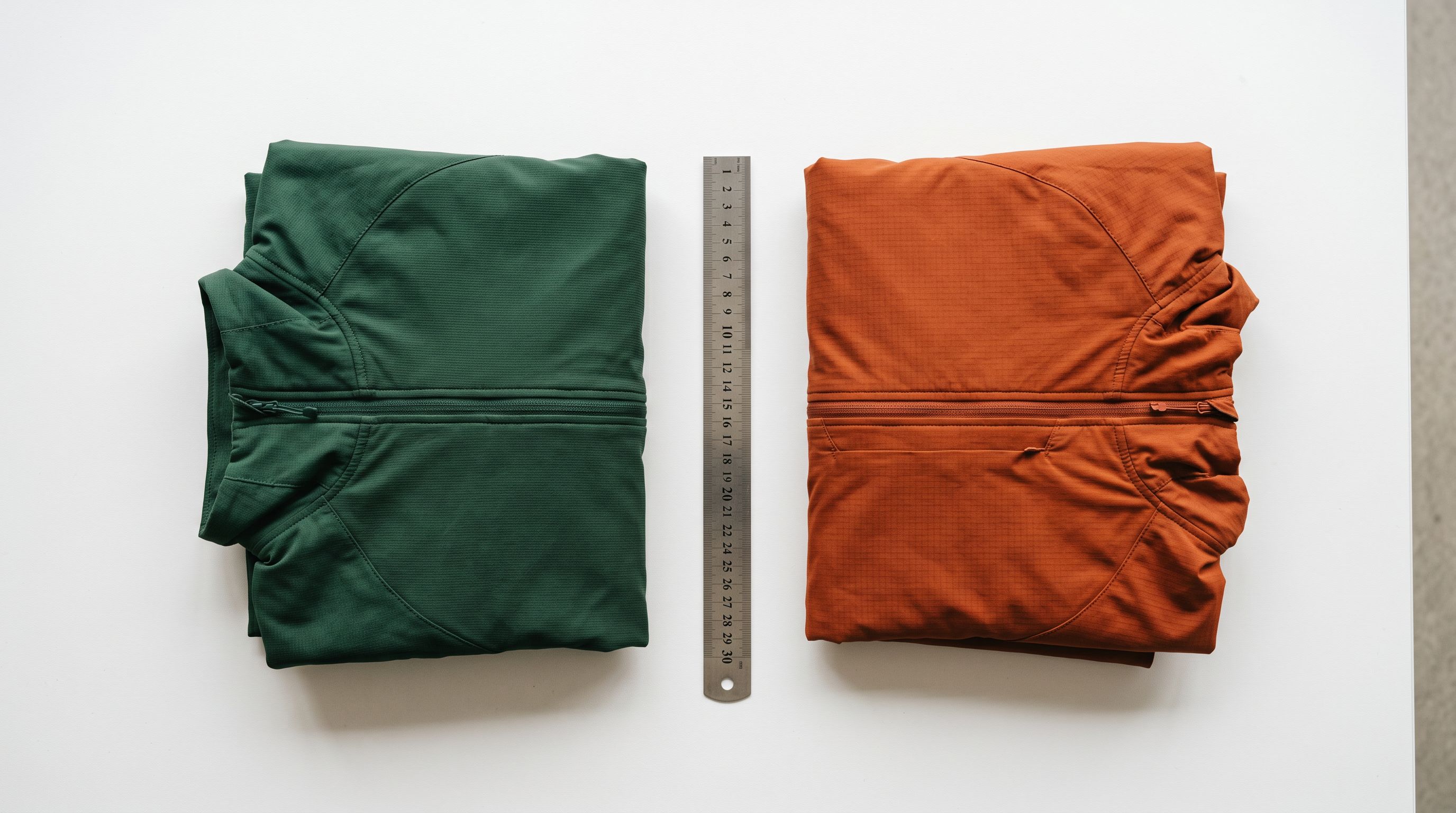
- Waterproof rating: 20,000mm hydrostatic head, seam-sealed at every stitch. Shell weight: 320g in a medium. Underarm zips regulate temperature on long ascents without removing the jacket. Packs to a 500ml bottle for day packs.
- Each benefit is tied to a specific, comparable attribute
- A buyer comparing three jackets can use this to differentiate
- Weight, waterproof rating, and packability are direct comparison data points
- Specific enough to be wrong about a competing product, which is the point
Decision Stage: Certainty Over Story
The Decision buyer is nearly ready to purchase. The final barrier is uncertainty. They need to know this is the right size and version, that delivery is reliable, and that they are not taking an unreasonable risk by committing.
Importier style: Benefits-First with Custom Sections. At the Decision stage, the description resolves the most common pre-purchase objections for this product type. For a jacket: fit, expected delivery window, and return process. For furniture: assembly time, exact dimensions, and finish accuracy against the product photography.
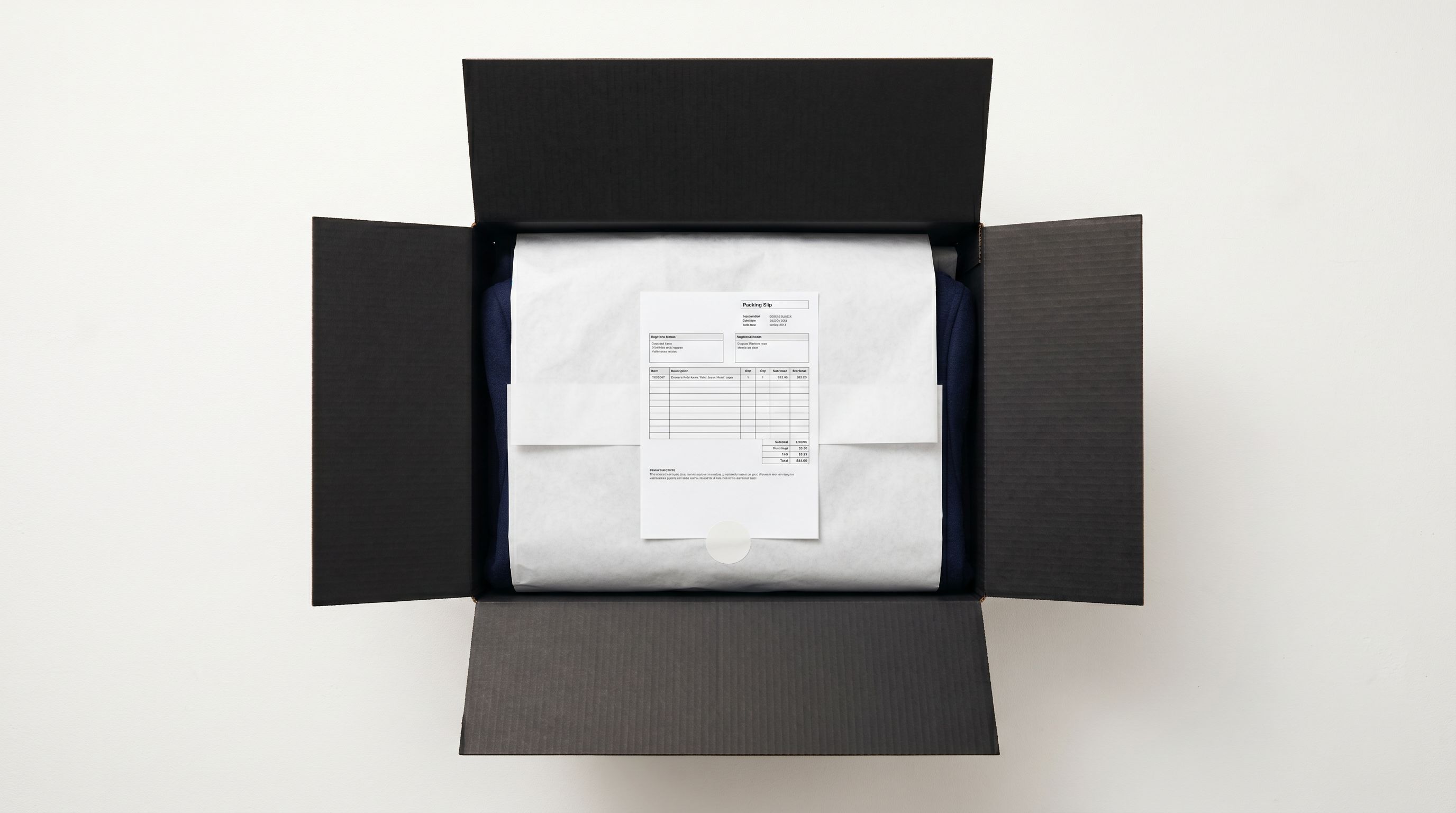
Importier's Custom Sections structure descriptions into specific heading-driven sections. A Decision-stage description using Custom Sections might include headings for "What's in the Box", "Size and Fit Guide", "Delivery and Returns", and "Common Questions". Each heading answers a specific objection that would otherwise prevent the purchase.
The Shopify product description template guide covers how to design Custom Section headings that serve Decision-stage buyers specifically, and how to combine them with Benefits-First content to address both the comparison question ("why this one?") and the commitment question ("is this the right decision?").
The Decision buyer does not need a better story. They need certainty. Describe what happens after they click buy, and the conversion follows.
Retention Stage: Functional Depth After Purchase
The Retention buyer has already purchased. They return to the product page for setup guidance, maintenance information, compatibility answers, or to confirm a feature before recommending the product to a colleague or friend.
Importier style: Custom Sections with an FAQ heading. Importier generates 5-10 product-specific FAQ questions and answers based on the product's category and attributes. For the Retention buyer, FAQ content functions as post-purchase support. It also serves the late-stage Consideration buyer who has the same questions before committing to a purchase.
A product page that closes with "start your outdoor adventure today" offers the Retention buyer nothing. A product page with "Can I machine wash this jacket?", "What is the recommended layering system?", and "How long does the waterproofing last?" serves both the buyer who is returning with a specific question and the buyer who is still deciding and needs those answers before they buy.
One Product, Four Descriptions
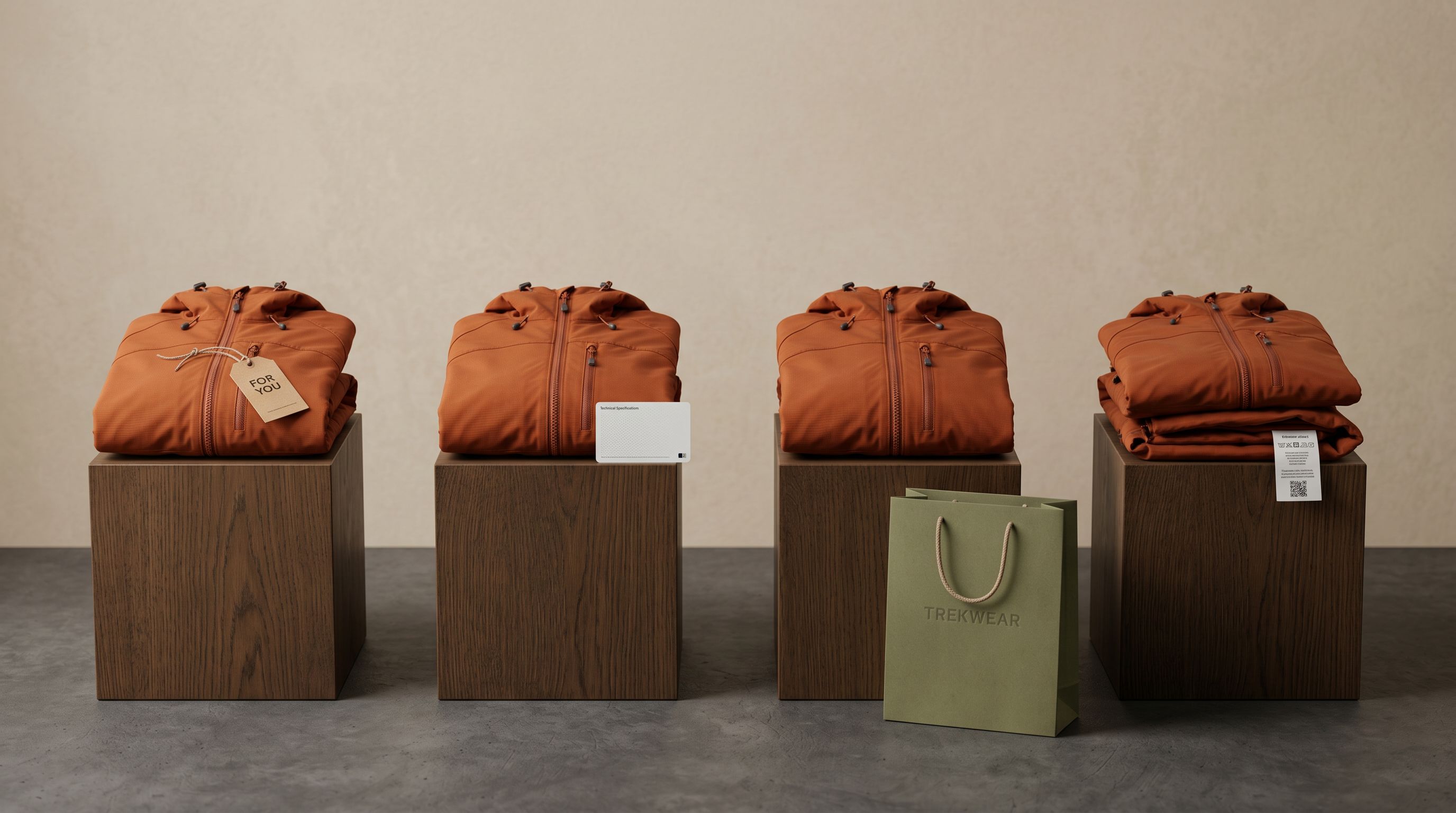
The same hiking jacket, written for each stage:
Awareness (Emotional Storytelling): "On wet days in the mountains, you either feel the rain on your base layer or you do not. This jacket is the difference between cutting a walk short and continuing."
Consideration (Benefits-First): "The 20,000mm waterproof rating and seam-sealed construction handle sustained rain without soaking through. At 320g in a medium, it packs to a 500ml bottle for day hikes where pack weight matters."
Decision (Benefits-First + FAQ): "Available in four sizes with slim-fit cut for layering. Ships within 48 hours. Returns accepted within 30 days if the fit is not right. Frequently asked: Can I wear this in snow? Yes, down to approximately 0°C with a mid-layer fleece underneath."
Retention (Custom Sections): Machine wash cold on a gentle cycle. Tumble dry low or air dry. Re-treat with a DWR spray every 10-15 washes to maintain waterproofing. Compatible with the matching fleece mid-layer (sold separately, SKU JK-FL-02).
Four different descriptions. Same product. Each one gives the buyer at that stage exactly what they need to move forward.
Implementing Buyer-Stage Descriptions
Matching Your Collections to Buyer Stages
Most merchants have collections that implicitly map to buyer stages, even without naming them that way:
- New Arrivals, Gift Ideas, Editor's Picks: Awareness. Use Emotional Storytelling or Sensory-Rich.
- Category collections (Waterproof Jackets, Standing Desks, Running Shoes): Consideration. Use Benefits-First or Technical Gadget.
- Sale, Limited Stock, Clearance: Decision. Use Benefits-First combined with Custom Sections for objection resolution.
- Branded collections, repeat-buyer segments, post-purchase upsell pages: Retention. Use Custom Sections with FAQ.
For products that appear across multiple collections at different stages, write the description for the collection where that product generates the most traffic. The Shopify product description tone guide covers how tone, style, and persona interact in each Store Scanner session, and how to configure separate passes for distinct buyer segments without resetting the whole catalogue.
- 01Map your three highest-traffic collections to a buying stage. Most collections lean clearly toward one stagegift guides are Awareness, comparison categories are Consideration, sale collections are Decision.
- 02Open Store Scanner and filter to the first collection by collection name, vendor, or SKU pattern. Set the description style to match the buyer stageEmotional Storytelling or Sensory-Rich for Awareness, Benefits-First or Technical Gadget for Consideration, Benefits-First plus Custom Sections for Decision.
- 03Run 20 sample products from each filtered collection before committing the full batch. Read the outputs and confirm that the style serves what a buyer at that stage actually needs. Adjust the persona if the category framing is off. A hiking jacket gift collection should use an Outdoor Specialist persona, not a generic Retail persona.
- 04Commit the batch for each collection separately. Import Undo operates per-batch, so running collections as separate sessions means a rollback only affects that collection, not the entire catalogue.
- 05For products appearing in multiple collections at different stages, tag the product's primary stage in a custom metafield or product tag. This makes it straightforward to filter and re-run a second pass for secondary collections if needed.
Importier's 7 description styles (Standard, Technical Gadget, Emotional Storytelling, Benefits-First, Sensory-Rich, Ingredient Spotlight, Custom) and 156 expert personas across 43 industries cover every buying stage and product category combination. The buyer-stage framework is not a separate configuration; it is a way of making deliberate decisions about the style and persona choices already available in Store Scanner.
For Brand Voice controls that keep the register consistent across all four buyer-stage descriptions, the Shopify product description brand voice guide covers how to lock tone while varying the description style per collection. For the full overview of all 7 styles and how each was designed, the Shopify AI product descriptions guide covers which style fits which product type.
Shopify's guide to writing product descriptions covers the foundational principles of what makes a product description convert, including the role of buyer intent in determining what information belongs above the fold. Nielsen Norman Group's research on e-commerce product pages documents how buyers at different stages of purchase readiness read product pages differently, with Awareness-stage buyers scanning for emotional fit and Decision-stage buyers reading specifications and policies in detail.
Try Importier free at importier.app
Set up your first import in under five minutes.
Importier brings products into Shopify with AI descriptions, category metafields, and data enrichment on every run.