Ingredient Spotlight Descriptions for Shopify Products
On this page
A buyer reading the label on a collagen supplement before adding it to their cart is not reading the benefits paragraph. They are reading the ingredient list. They want to know the collagen type (Type I, Type II, or Type III), the source (bovine, marine, or plant-based), the dosage per serving, and whether the cofactors they care about (vitamin C, hyaluronic acid, biotin) are present at a meaningful dose. The benefits copy below the ingredient panel does not change their decision. The ingredient panel does.
This buyer profile applies across several product categories: supplement and nutraceutical buyers reading active ingredient forms and dosages, skincare buyers identifying ascorbic acid percentage and stability form, craft food buyers checking sourcing and processing method, and natural home care buyers confirming surfactant type and fragrance source. For all of these buyers, the product description has one primary job: confirm that what is in the product is what they came looking for.
Standard AI description generation does not serve this buyer well. The default structure (benefits lead, features follow, specifications close) buries the ingredient detail the buyer needs in the third paragraph or a bullet list after they have already decided to leave the page. Importier's Ingredient Spotlight description style restructures the generation sequence so the ingredient or component information leads the description, followed by the benefit it delivers, and closing with usage and format details.
What the Ingredient Spotlight style changes structurally
A standard description for a marine collagen supplement might open with: "Support your skin, hair, and nail health with our premium marine collagen powder, formulated for maximum absorption." That sentence makes a claim without supporting it. The ingredient-literate buyer wants to know what "maximum absorption" means in terms of peptide size and molecular weight before they care about the claim.
An Ingredient Spotlight description for the same product opens differently: "Hydrolysed marine collagen peptides at 10,000mg per serving, sourced from wild-caught deep-sea fish and processed to an average molecular weight of 2,000 Daltons for enhanced gastrointestinal uptake." From there, the description covers the benefit that level of hydrolysation delivers, then the format (unflavoured powder, mixes clear in liquid), then usage guidance.
The structural difference:
- Standard: Benefits claim → Feature details → Ingredient mention → CTA
- Ingredient Spotlight: Primary ingredient and form → Mechanism or benefit → Secondary ingredients → Format and usage → CTA
Product categories where Ingredient Spotlight performs strongly
The Ingredient Spotlight style is appropriate for any product where the purchase decision is gated by ingredient verification rather than by experience, aesthetic, or specification.
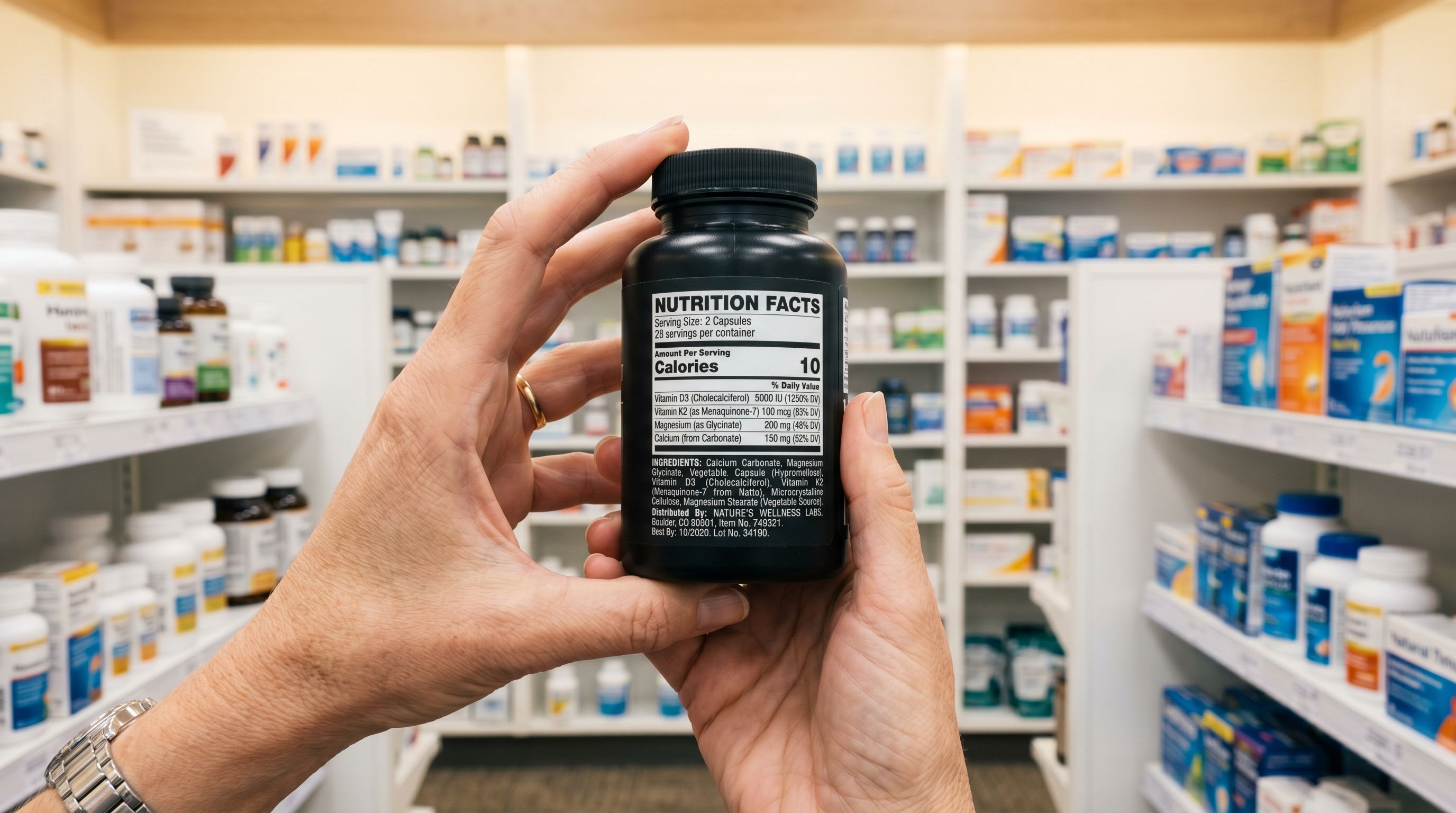
Supplements and nutraceuticals: Buyers in this category research ingredients before they research brands. A buyer choosing between two vitamin D supplements compares D3 (cholecalciferol) against D2 (ergocalciferol) and the presence of K2 (MK-7 vs MK-4) before they compare price or brand. An Ingredient Spotlight description leads with the active form and dose, which is the information that resolves the comparison.
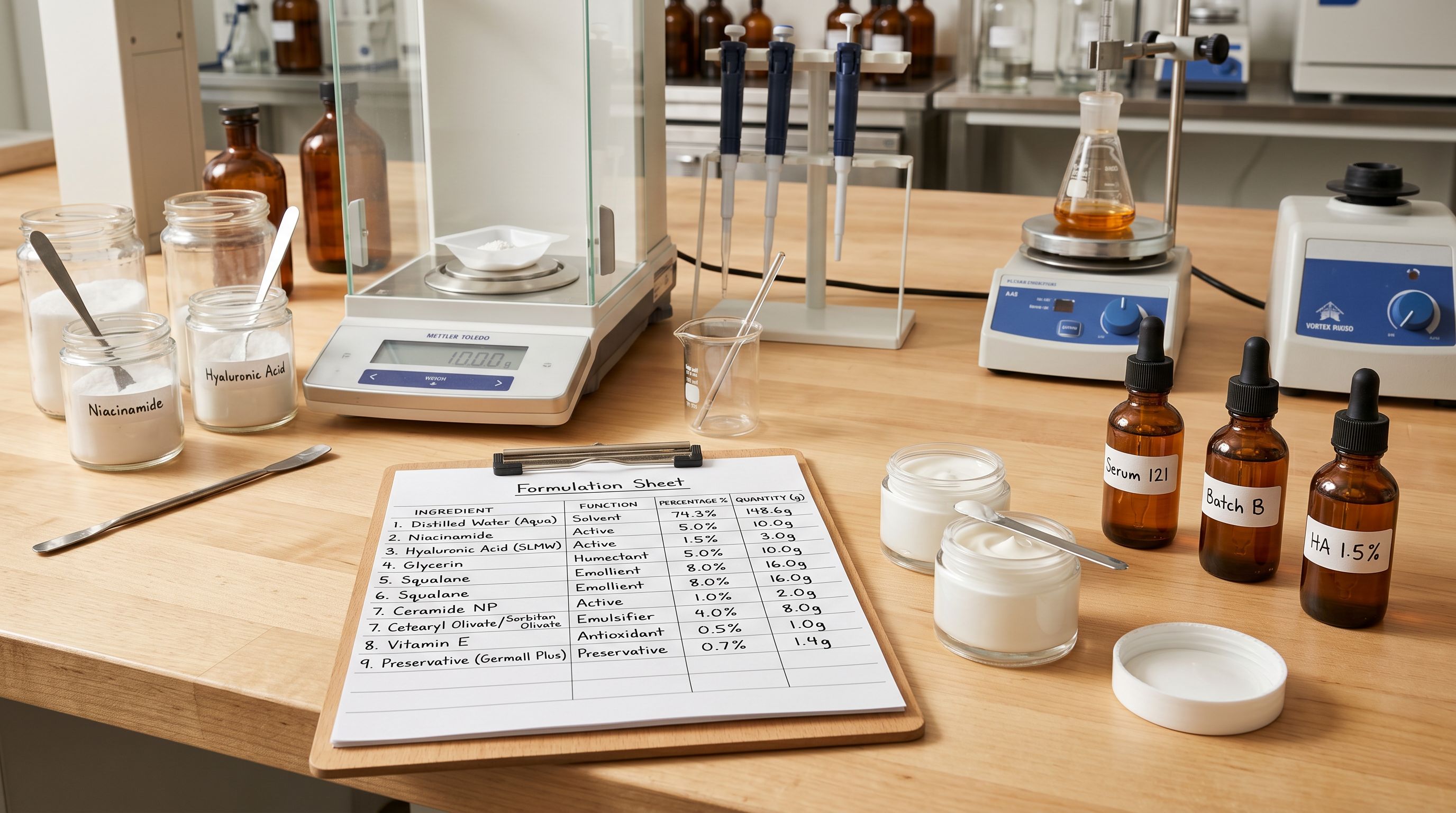
Skincare and cosmetics: Active ingredient percentage and stability form are the decision drivers for skincare-literate buyers. A buyer selecting a vitamin C serum differentiates on whether the ascorbic acid is L-ascorbic acid (most potent, least stable) or ascorbyl glucoside (more stable, slower conversion). An Ingredient Spotlight description for a serum leads with active percentage and form, which is the answer to the question the buyer arrived with.
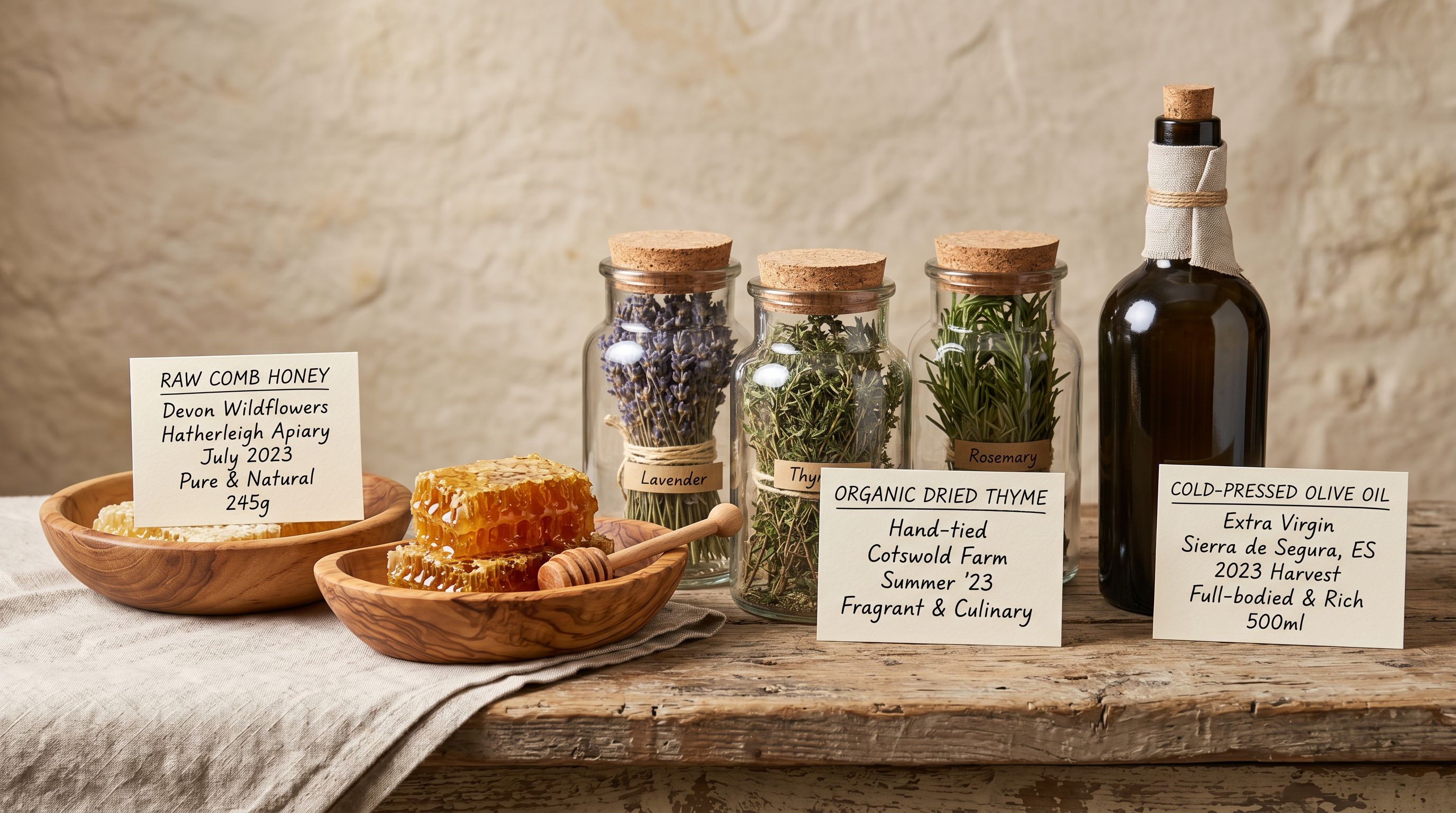
Craft and artisan food: Sourcing, processing method, and ingredient provenance drive premium food purchases. A buyer choosing a raw honey looks for the floral source (manuka, jarrah, wildflower), the UMF or MGO rating for manuka, and whether the honey is raw or processed. An Ingredient Spotlight description leads with provenance and processing before covering flavour profile and usage.
Natural and organic home care: Buyers in this category verify ingredient lists to avoid specific compounds (SLS, parabens, synthetic fragrance) as much as to confirm desirable ones. An Ingredient Spotlight description leads with the surfactant type and confirms the absence or presence of the compounds this buyer filters by.
- 01Step 1Load your supplier file and complete column mapping, including any ingredient or composition columns
- 02Step 2At the description generation step, select Ingredient Spotlight as your description style
- 03Step 3Choose a persona aligned with your category: Nutritionist for supplements, Formulation Chemist for skincare, Craft Food Expert for artisan food
- 04Step 4Set tone to Technical or Professional for supplement and skincare categories, Casual or Luxurious for craft food and natural beauty
- 05Step 5Review the generated descriptions in the preview panel before importing
How the AI selects which ingredients to feature
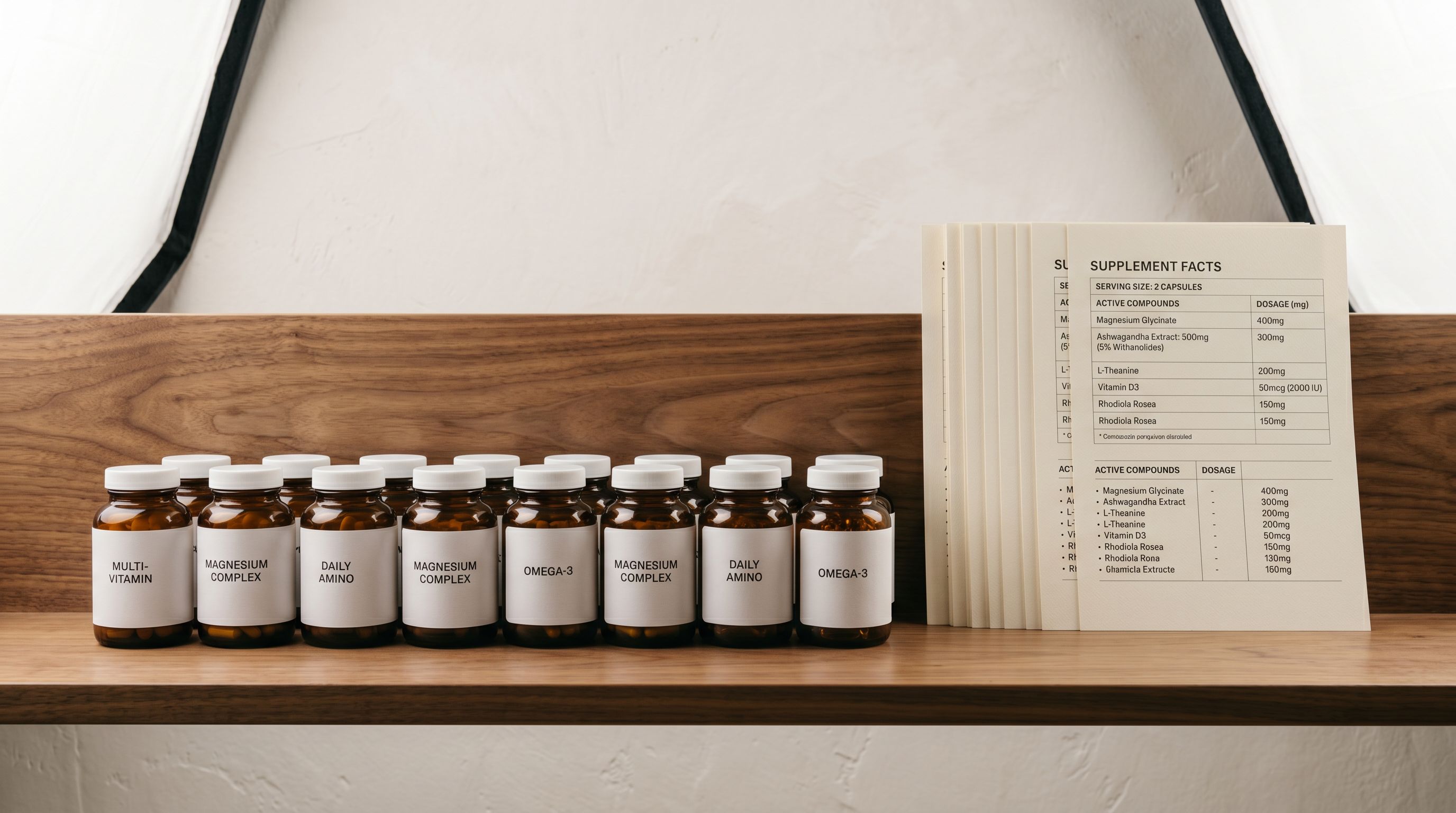
When Ingredient Spotlight is active, the AI reads the product category, the ingredient or composition columns in the supplier file, and the selected persona to determine which ingredients to lead with and in what order.
For supplements, the AI applies a priority hierarchy: primary active ingredients appear first (the one the product is named for: collagen, vitamin D, magnesium), followed by cofactors that affect bioavailability or function (vitamin C with collagen, K2 with D3, B6 with magnesium glycinate), and finishing with supportive or incidental ingredients. Inactive ingredients (fillers, capsule shell materials) appear only if relevant to the buyer's likely filter criteria (gelatin vs. vegetarian capsule).
For skincare, the AI leads with the ingredient at the highest active percentage, includes the stability or derivative form where relevant (L-ascorbic acid vs. sodium ascorbyl phosphate for vitamin C), and lists supporting actives before base and texture ingredients. Fragrance and preservative information appears where the category convention expects it: the skincare-literate buyer expects the INCI name, not the marketing name.
For artisan food, the AI leads with the primary characterising ingredient and its provenance (wild-caught, single-origin, cold-pressed), follows with any certifications relevant to the buyer's decision (organic, UMF-rated, fair trade), and closes with secondary ingredients and flavour notes.
The ingredient-literate buyer has already decided what they need before they reach your product page. The Ingredient Spotlight description confirms that your product meets that specification in the first two sentences, so the buyer can stop comparing and convert.
For products where the supplier file carries ingredient information in a dedicated "Ingredients", "Formula", or "INCI" column, mapping that column in the import wizard ensures the AI reads the full ingredient data rather than inferring from the product title. Mapping a complete ingredient column produces significantly more accurate Ingredient Spotlight descriptions than relying on the product name alone.
Pairing Ingredient Spotlight with persona selection
Persona selection has a larger effect on Ingredient Spotlight descriptions than on most other styles, because the vocabulary and depth of ingredient discussion varies substantially between expert registers.
A Nutritionist persona writing an Ingredient Spotlight supplement description uses clinical terminology (bioavailability, absorption kinetics, cofactor synergy) that a buyer with supplement research experience reads as credible. The same description written by a Wellness Coach persona uses accessible language (works with your body, pairs naturally with) that suits a buyer making their first supplement purchase.
A Formulation Chemist persona writing an Ingredient Spotlight skincare description specifies the INCI name, percentage bracket, and mechanism of action for each active. A Luxury Retail Buyer persona for the same product leads with the sensory result and experience of the active, then confirms the percentage for the buyer who checks. Both are Ingredient Spotlight descriptions; the persona determines the register and depth.
For craft food, the Artisan Food Producer persona leads with provenance storytelling (the beekeeper, the harvest season, the cold-press method) before confirming the characterising ingredient's measurable quality. The Nutritionist persona for the same product leads with nutritional active content (enzymes, polyphenols, minerals) before covering provenance. The choice depends on which buyer type your catalogue targets.
Importier's 156 expert personas include Nutritionist, Formulation Chemist, Wellness Coach, Skincare Specialist, Craft Food Expert, Herbalist, and Aromatherapist options, among others suited to ingredient-forward categories.
Read more about how to choose the right persona for your product category.
Combining Ingredient Spotlight with Custom Sections
Ingredient Spotlight and Custom Sections serve different parts of the same product page and work together rather than as alternatives.
The Ingredient Spotlight style controls the main description body: it determines how ingredients are sequenced and framed in the flowing prose that appears at the top of the product description. Custom Sections adds structured subheadings below that body: an "Ingredients" section with the full list formatted as a scannable block, a "How to Use" section, a "Warnings" section, and any other named headings the merchant defines.
A supplement product page that uses Ingredient Spotlight for the description body and Custom Sections for "Ingredients", "Dosage", and "Warnings" gives the buyer two complementary information surfaces: the prose that builds the case for the product by leading with the key active ingredient, and the structured sections that confirm the full ingredient list in the format the ingredient-literate buyer expects to scan before purchase.
Shopify's guidance on product descriptions notes that effective product pages serve buyers who read and buyers who scan. Ingredient Spotlight serves the reader; Custom Sections with an Ingredients subheading serves the scanner who skips straight to the list. Both can be active in the same import session.
Read more about how Custom Sections adds structured headings to any description style.
When to use Ingredient Spotlight
Choosing Ingredient Spotlight for your import
Use Ingredient Spotlight when at least two of the following apply to your product catalogue:
- Buyers in your category research ingredient forms and dosages before they research brands or claims
- Your supplier file carries an ingredient or composition column with complete INCI names, active forms, or sourcing information
- Your competitors' product pages lead with benefit headlines and bury ingredient details in a collapsible section near the bottom
- The primary differentiator between your product and a comparable product is ingredient quality, form, or provenance
Ingredient Spotlight is the wrong choice for products where the buyer's decision is not ingredient-driven: fashion, electronics, furniture, sporting equipment, and any product where the purchase is based on specification, aesthetics, or experience rather than what the product is made of.
The FDA's supplement labelling guidelines specify what ingredient information must appear on supplement labels and in what format. Ingredient Spotlight descriptions draw on the same information hierarchy the FDA requires on the label, which means the buyer who reads your product description and then checks the label finds consistency rather than contradiction.
The Ingredient Spotlight style is one of seven description styles in Importier. For products where sensory experience rather than ingredient provenance drives the decision, the Sensory-Rich style serves the same category of product from a different buyer entry point. For products with multiple structured sections needed alongside ingredient content, combining Ingredient Spotlight with Custom Sections covers both the buyer who reads and the buyer who scans.
Set up your first import in under five minutes.
Importier brings products into Shopify with AI descriptions, category metafields, and data enrichment on every run.