Emotional Storytelling Descriptions for Shopify Products
On this page
There is a category of product where the buyer already knows they want it before they visit the product page. They have seen it gifted to someone, or used by someone they admire, or discovered it through a recommendation that came with a story attached. By the time they arrive at the listing, they are not evaluating whether to buy. They are confirming that this is the right version to buy, and that it will hold up as an object worth the narrative they are attaching to it.
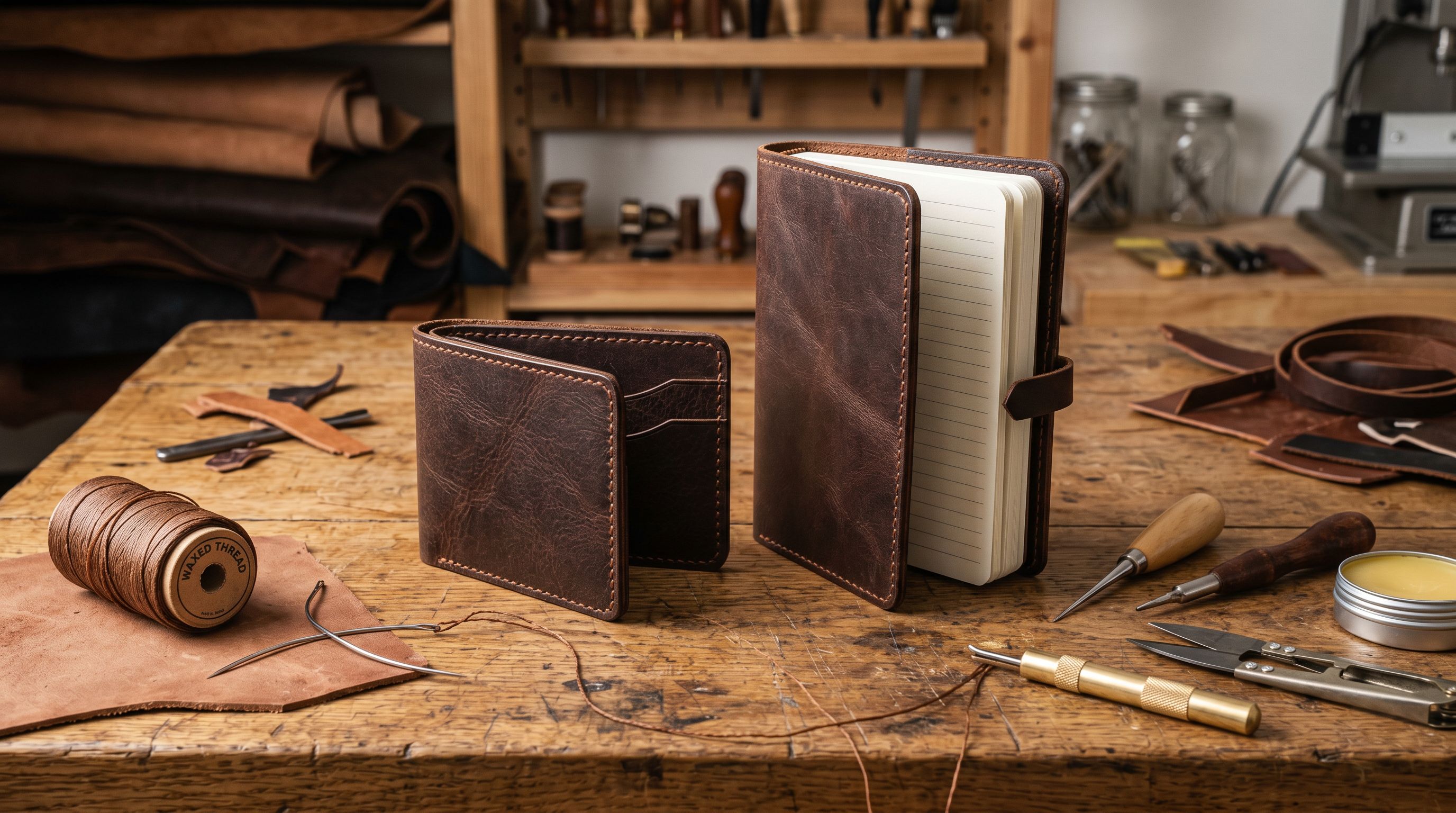
These products share a characteristic: the purchase is emotional before it is rational. A hand-stitched leather wallet from a three-generation family workshop in Florence is not purchased against a specification. It is purchased because of what it represents: craft over convenience, provenance over commodity, something that will last longer than the occasions it attends. The product description for that wallet has one job before any feature copy lands: tell the buyer why this object has a story worth being part of.
Importier's Emotional Storytelling description style structures AI-generated descriptions to lead with narrative before any product feature or specification appears. This article covers how the style works, which product categories it serves, how the enrichment context field feeds the narrative hook, and when a different style would serve the buyer better.
What Emotional Storytelling changes structurally
Every other description style in Importier leads with something measurable: Sensory-Rich leads with the primary sensory experience, Technical Gadget leads with specification, Benefits-First leads with the outcome the buyer wants, Ingredient Spotlight leads with the active component. Emotional Storytelling is the one style that leads with narrative context before any of those anchors appear.
A standard Benefits-First description for a hand-poured soy candle might open with: "Create a warm, relaxing atmosphere with this premium 220g soy wax candle, formulated with a blend of essential oils for an 50-hour clean burn." That sentence tells the buyer what the candle does. It does not tell them why this candle, from this maker, in this moment.
An Emotional Storytelling description for the same candle opens differently: "On Sunday mornings in the Blue Mountains, the air carries a specific quality before anything is said or done: cool eucalyptus under warm light, the kind of stillness that asks to be honoured. This candle started as an attempt to bottle that feeling." From there, the description covers the craft (slow-poured, small batch, locally sourced wax), the experience (the 50-hour burn, the scent arc as the candle opens up), and the specification (220g, essential oil blend, cotton wick).

The structural difference:
- Standard and Benefits-First: Feature or benefit claim → Supporting details → Specifications → CTA
- Emotional Storytelling: Narrative hook → Craft and provenance → Product details → Specifications → CTA
How the enrichment context field feeds the story
The quality difference between generic emotional copy and specific narrative copy is the difference between an AI generating without context and an AI generating from real brand information.
Without enrichment context, an Emotional Storytelling description for a leather wallet produces: "Crafted by skilled artisans with generations of leatherworking tradition, this wallet represents the finest in handmade quality." That sentence contains no specific information. It could describe any artisan leather product from any workshop anywhere in the world.
With enrichment context, the same prompt produces something different. The merchant adds a note in the enrichment context field: "Founded in Florence in 1963 by Gianni Romano; third generation now runs the workshop at the same address; all hides sourced from local Tuscan tanneries; each piece takes two days to hand-stitch." The AI incorporates those specifics: the address on a street that has been the same since 1963, the hide sourced a few kilometres away, the two days of hand-stitching that make the patina unpredictable and the product irreplaceable.
- 01Step 1Load your supplier file in the import wizard and complete column mapping
- 02Step 2At the description generation step, select Emotional Storytelling as your description style
- 03Step 3Open the enrichment context field and add your brand story: founding date, location, maker background, sourcing philosophy, production method
- 04Step 4Choose a persona aligned with your brand register (Brand Storyteller, Heritage Retail Writer, or Artisan Craft Expert)
- 05Step 5Review the generated descriptions and verify the narrative hook references your actual brand context
The enrichment context field accepts free text of any length. A paragraph summarising the brand origin, the founder's motivation, the production philosophy, and any specific detail that makes the product different from commodity alternatives gives the AI the raw material for a specific narrative. The merchant fills this field once per import session; every product in the batch receives descriptions that draw on the same brand story.
Product categories where Emotional Storytelling performs strongly
The Emotional Storytelling style works for any product category where the purchase is motivated by narrative, provenance, or occasion rather than by specification or price comparison.
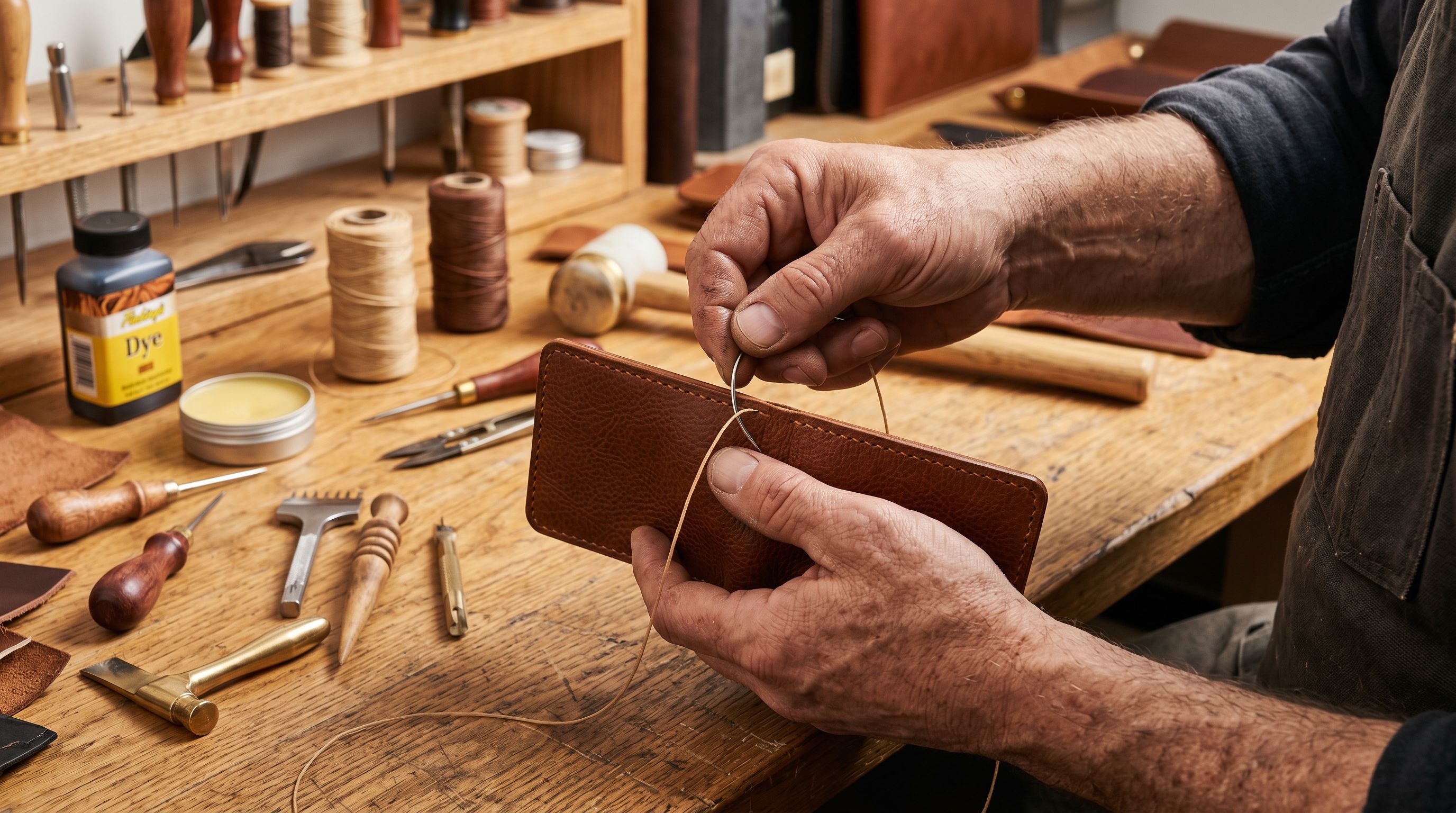
Heritage and artisan brands: Products made by the same family for multiple generations, in the same location, using the same method. The brand story is inseparable from the product's value proposition. A buyer choosing between two leather goods (one from a heritage Florence workshop, one from a factory production line at the same price point) is not making a specification comparison. They are deciding whether the narrative is worth the premium.
Handmade goods: Products where the maker's individuality is part of the product. Pottery thrown on a wheel, jewellery hand-formed from sterling silver, textile pieces woven on a frame loom. The description for these products needs to convey that the imperfections are not defects; they are evidence of the hand that made them.
Gift and occasion products: Products purchased specifically to give: wedding gifts, christening keepsakes, retirement presents, memorials. The buyer is not the end user. They are purchasing an object to carry a meaning they cannot fully articulate. The description that converts them acknowledges the occasion and confirms that this object is appropriate for the weight of the moment.
Local and regional producers: Food, drink, skincare, and home goods made from locally sourced materials by producers embedded in a specific place. The provenance is the selling point. "Made in the Barossa Valley using grapes from vines first planted in 1889" is not a specification; it is the entire argument for choosing this wine over another.
- Crafted with passion by skilled artisans
- Premium quality materials throughout
- A product you will treasure for years
- Made with love and attention to detail
- Specific founding date, location, and family name
- Hide sourced from named local tannery
- Two-day hand-stitching process that makes each piece unique
- Patina that develops distinctively on the Florentine leather
Pairing with Brand Voice for tonal consistency
Emotional Storytelling descriptions are the most sensitive to brand voice inconsistency of any description style. A heritage brand that uses warm, unhurried prose in its marketing materials cannot have its product descriptions suddenly sound like a fast-fashion brand brief. The AI applies the Emotional Storytelling structure, but the tonal register it uses for that structure depends on the voice settings.

Importier's Brand Voice configuration accepts keywords (words the brand uses), avoid words (words the brand never uses), and example phrases from existing brand copy. For Emotional Storytelling, the avoid words and example phrases have the greatest effect. A brand that never uses words like "luxury" or "premium" because those terms signal inauthenticity to their customers should list them in the avoid words field. A brand whose existing copy uses phrases like "made to accompany a life, not just a moment" gives the AI the exact tonal register to maintain.
The Brand Voice configuration applies to every description in the import session, regardless of style. For Emotional Storytelling, it determines whether the narrative hook sounds like the brand or like a generic interpretation of emotional copy.
Emotional Storytelling without brand voice configuration produces emotionally resonant copy in a register that belongs to no particular brand. With brand voice, the narrative hook sounds like it was written by someone who has been writing for this brand for years.
Importier's 156 expert personas include Heritage Brand Writer, Artisan Craft Specialist, Gift Retail Buyer, and Local Producer Advocate options. Each applies the Emotional Storytelling structure with a vocabulary suited to the category: the Heritage Brand Writer references tradition and inheritance in formal prose; the Local Producer Advocate uses grounded, specific language about place and season.
Read more about how to choose the right persona for your product category.
When not to use Emotional Storytelling
Emotional Storytelling is the wrong choice for any product where the buyer's decision is specification-driven, price-sensitive, or B2B-oriented.
A buyer purchasing replacement printer ink cartridges is not looking for narrative. A buyer comparing two power tools by RPM and voltage is not looking for a story. A procurement officer purchasing office supplies for a company of 200 people is not evaluating the founding ethos of the supplier. For these products, Emotional Storytelling produces descriptions that feel inappropriate to the purchase context and bury the specification information the buyer needs.
Harvard Business Review's research on storytelling in business confirms that narrative is powerful precisely because it triggers emotional processing before rational evaluation. That is exactly the effect Emotional Storytelling is designed to produce. For specification-driven purchases, that sequence is counterproductive: the buyer wants rational evaluation to come first.

For products where both narrative context and specification matter (high-end audio equipment with a heritage brand story, artisan food with specific nutritional claims, a luxury watchmaker that also needs to confirm movement specification), the Emotional Storytelling structure can carry specification detail after the narrative hook without disrupting the flow. The AI places technical detail in the third or fourth paragraph, after the story and the craft context have established why the specification numbers are worth caring about.
Choosing Emotional Storytelling for your import
When to choose Emotional Storytelling
Use Emotional Storytelling when at least two of the following apply:
- Your brand has a founding story, a maker identity, or a provenance that is genuinely distinctive (not generic "small batch" or "handcrafted" language that applies to hundreds of competitors)
- Buyers in your category make purchase decisions based on what the product represents rather than what it does
- Your existing marketing copy leads with narrative and you want your product descriptions to match that register
- The product is frequently purchased as a gift or for a specific occasion
Shopify's guide to brand storytelling describes brand story as the foundation merchants use to differentiate against commodity alternatives. Emotional Storytelling product descriptions apply that same foundation at the individual product level: every product in the catalogue carries a description that reflects why this object, from this maker, is worth the price on the tag.
The Emotional Storytelling style is one of seven description styles in Importier. For products where the sensory experience drives the purchase rather than the narrative, the Sensory-Rich style serves the buyer from a different entry point. For mixed catalogues where some products have strong brand narrative and others are more functional, running separate import sessions with the appropriate style per product type produces a catalogue where each product's description matches the way its buyers actually make decisions.
Read more about when to use Sensory-Rich instead of Emotional Storytelling.
Set up your first import in under five minutes.
Importier brings products into Shopify with AI descriptions, category metafields, and data enrichment on every run.