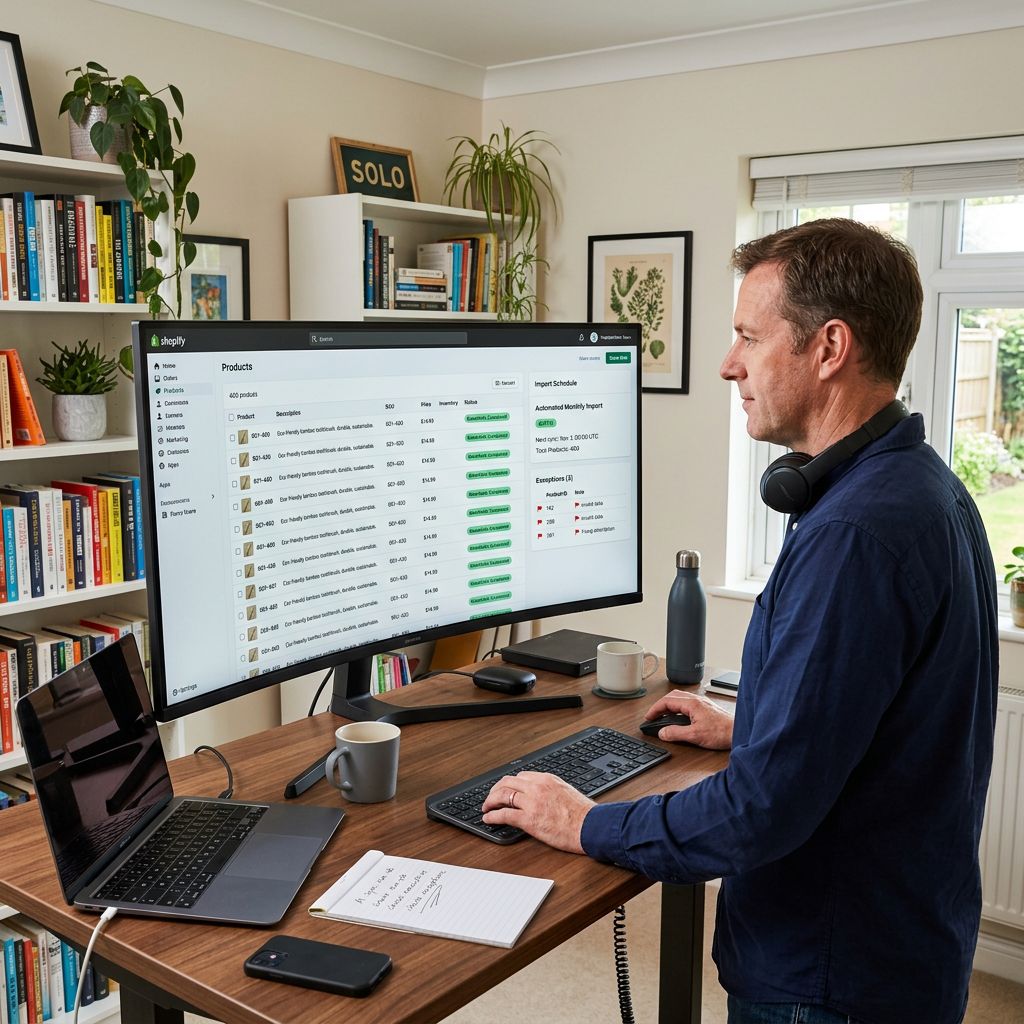
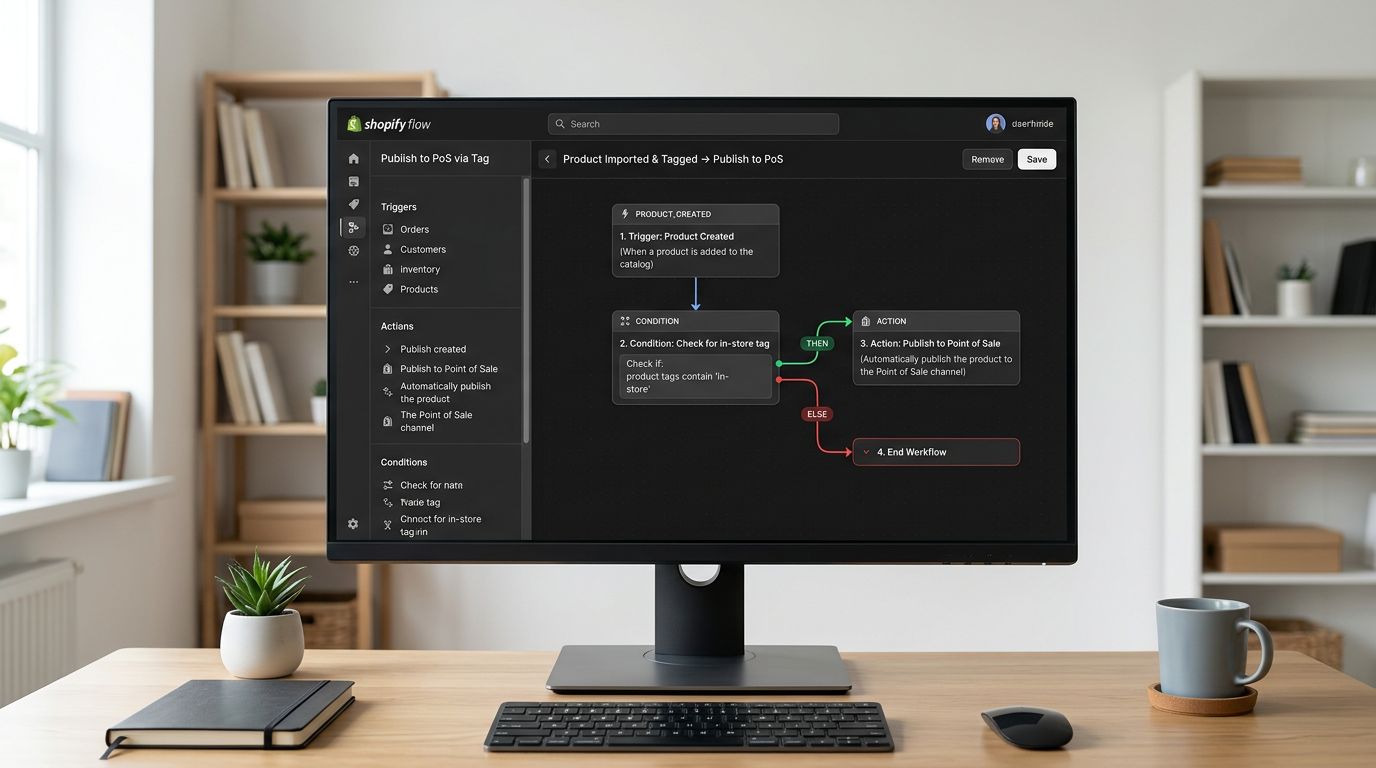
Shopify Agentic Commerce Readiness: An 8-Field Checklist
On this page
An AI shopping agent does not browse the way a human does. It does not notice that your product photography is excellent or that your store design looks polished. It reads structured product data, matches it against the buyer's intent signal, and either includes your product in its recommendation set or excludes it. The decision happens in milliseconds and the only lever you control is what your product data says.
For Shopify merchants, shopify agentic commerce ready means having eight specific product data fields completed to a standard the AI systems can read. This is not a vague "improve your content" directive. Each field has a pass or fail state. Most Shopify catalogues fail at least four of them, not because the products are poor, but because the data was never structured to be machine-readable.
Shopify's Eight Agentic Commerce Readiness Fields
The eight fields below represent the product data layer that Google AI Mode, Perplexity Shopping, and ChatGPT Shopping read when evaluating a product against a buyer's query. They derive from Google's product data specification for Merchant Center, supplemented by the additional depth AI shopping agents require beyond standard feed compliance.
Each field has a "not ready" state (what most Shopify products look like by default), a "ready" state (what agentic systems need), and the Importier feature that closes the gap.
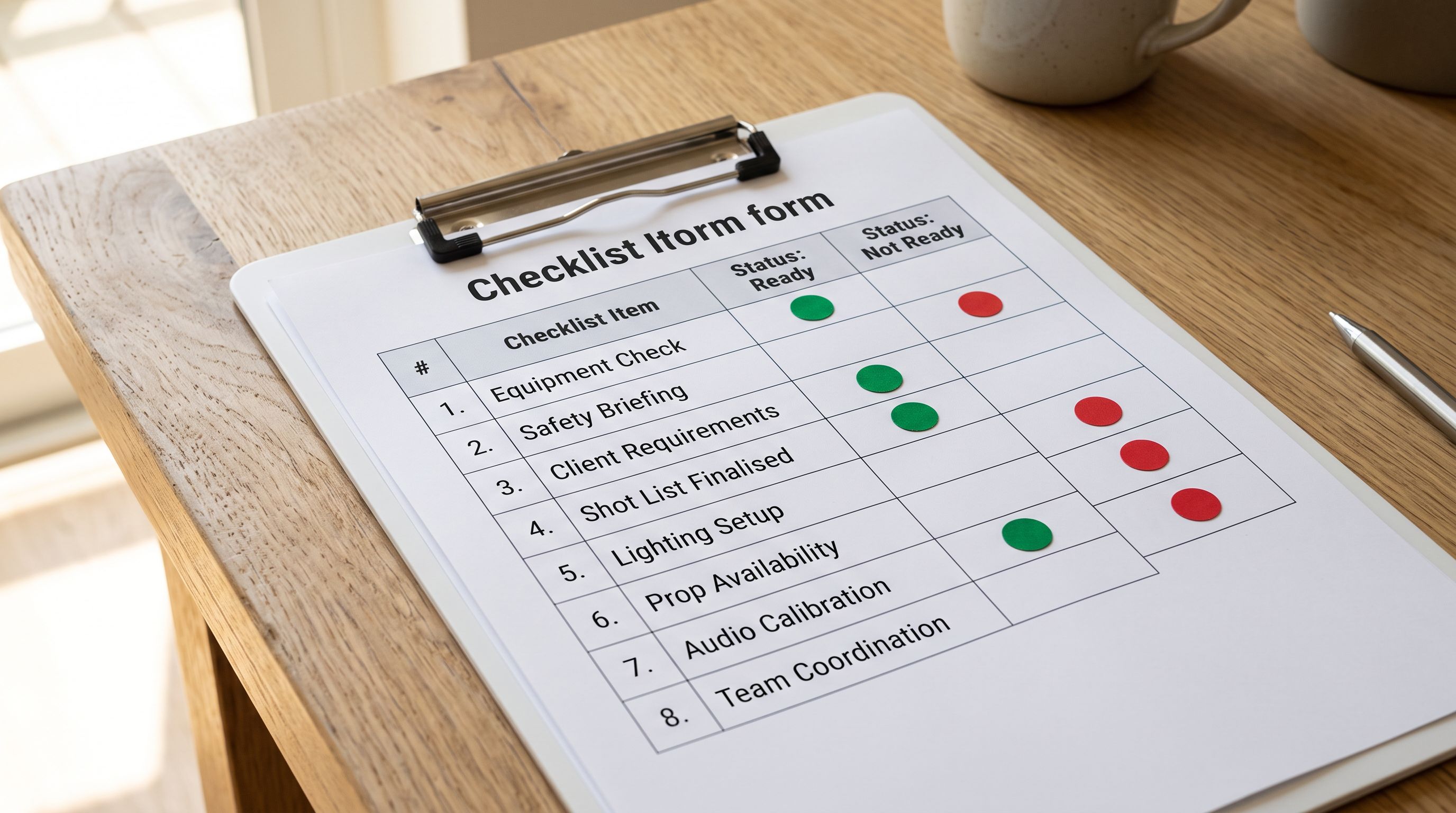
| Field | Not ready | Ready standard | Importier feature |
|---|---|---|---|
| 1. Title specificity | Generic or supplier-formatted | Brand + type + 2-3 attributes, 50-60 chars | Title Optimizer |
| 2. Description depth | Thin or supplier copy | Specifications + use case + audience, 150+ words | AI Description Generator |
| 3. Category metafields | No structured attributes | Industry Pack attributes filled | Category Metafields (22 packs) |
| 4. GTIN/barcode | Missing or blank | Valid GTIN, EAN, or ISBN populated | Barcode Lookup |
| 5. FAQ coverage | No structured Q&A | 4-6 purchase questions answered | FAQ Generator |
| 6. Image completeness | Single image, blank alt text | Multiple angles, descriptive alt text per image | Bulk Alt Text Generator |
| 7. Meta description | Blank or auto-extracted | 140-155 chars, benefit-led, keyword-targeted | Meta Description Generator |
| 8. SEO title | Defaults to product title | 50-60 chars, keyword front-loaded, retail format | Title Optimizer |
Field 1: Title Specificity
An agentic system matches your product title against the buyer's query. A title of "Classic Tee" cannot match a query for "100% organic cotton men's t-shirt in navy size M." The attributes that differentiate the query (material, category, gender, colour, size) are absent from the title. The product is invisible to that query regardless of what the description says.
The ready standard for agentic commerce is a title that includes: brand name, product type, and two to three differentiating attributes. The Importier Title Optimizer generates titles to a configurable character target (50-60 for Shopify's native SEO title, 150 for Google Merchant Centre feeds) and applies the brand/type/attributes format across the entire product batch. For a 500-product catalogue, that is 500 titles in one pass.
The not-ready failure mode most merchants underestimate is supplier-formatted titles. Supplier titles are often written in capital letters, include model numbers, and omit the attributes customers search for. "MENS OUTERWEAR RNKJKT-01 BLK LG" is supplier shorthand, not a retail title, and it performs accordingly in AI shopping recommendations.
Field 2: Description Depth
AI shopping agents read product descriptions for specification signals: material composition, dimensions, weight, care instructions, compatibility, audience fit, and use case. A description of "This jacket is perfect for any adventure" contains none of these signals and does not help the AI system evaluate whether the product matches a query for "a waterproof shell jacket compatible with ski touring bindings."
The ready standard for agentic commerce is a description that includes: specific materials and construction, target use case with concrete scenarios, audience specification (who this is for), and at least one differentiating attribute not available on competing products. Importier's AI Description Generator applies one of 156 expert personas across 43 industries to produce descriptions at this depth, using the product's own data (title, category, supplier description, specifications) as inputs.
A product description written for a human browsing a Shopify store is not the same as a product description that serves an AI shopping agent's retrieval system. Both readers exist. A good description serves both simultaneously.
The supplier description failure is common: brands write descriptions to pitch retailers on stocking the product, not to help a buyer decide to purchase it. Supplier descriptions emphasise brand credentials and wholesale terms. AI systems read for purchase-decision attributes. The two audiences require different copy.
Field 3: Category Metafields
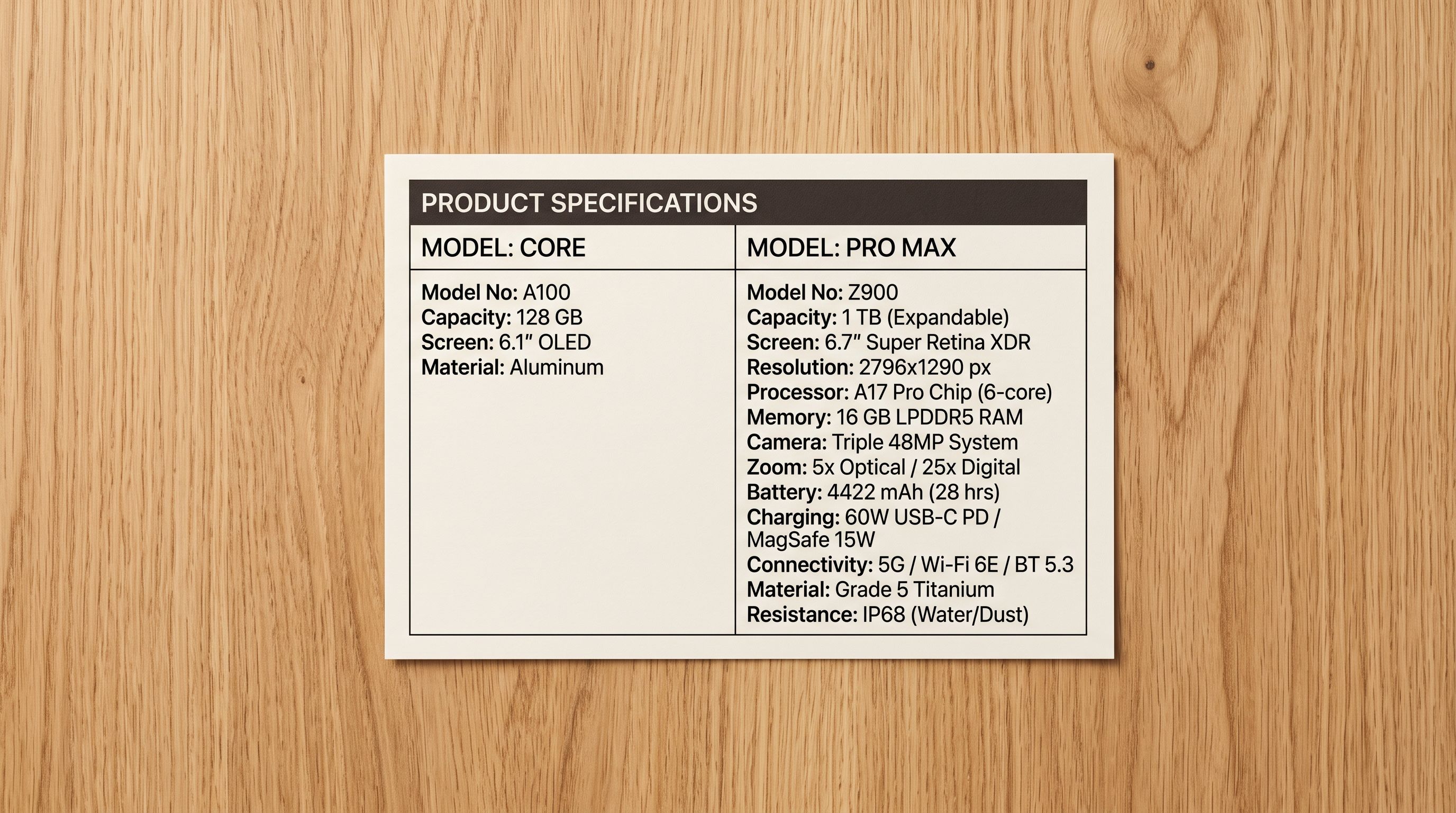
Standard Shopify product data is flat: title, description, price, and vendor. Agentic systems increasingly use structured attribute data to evaluate products at a level of specificity that flat text cannot support. A buyer asking for "a cast iron skillet, pre-seasoned, 12 inches, with a helper handle" is specifying four attributes that belong in structured metafields, not in a description paragraph.
Importier's 22 Industry Packs cover the attribute sets most relevant to Shopify's major product categories: Apparel (sizing, material, fit), Home and Kitchen (dimensions, material, capacity), Electronics (compatibility, connectivity, battery), Sporting Goods (weight, intended activity, performance rating), and 18 additional industry categories comprising 3,758 total attributes.
The not-ready state for most catalogues is no metafields at all, or generic metafields with inconsistent naming that feed systems cannot interpret. A metafield named "size" on one product and "sizing" on another is two different attributes to a structured data reader.
Field 4: GTIN and Barcode
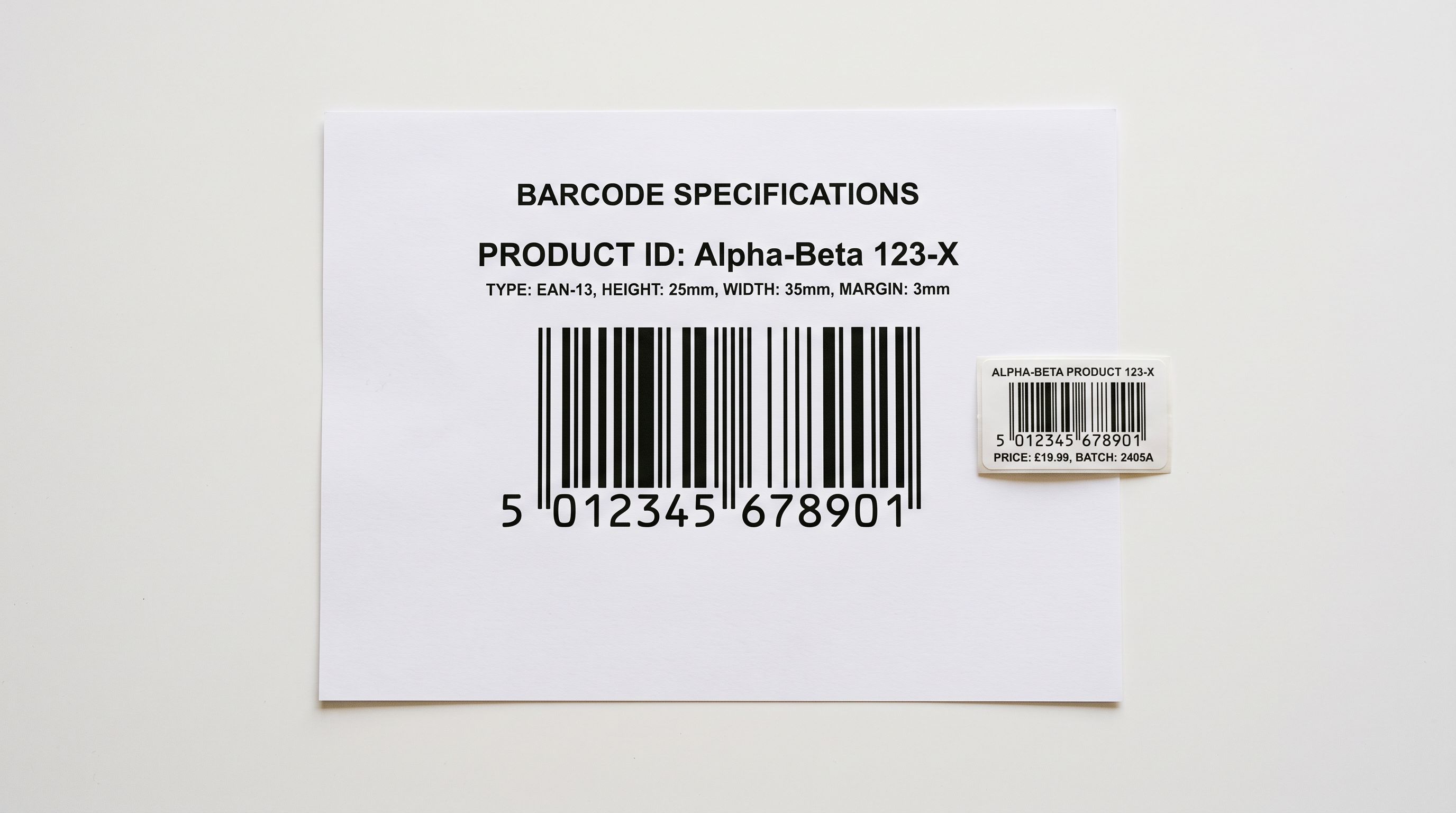
GTIN (Global Trade Item Number), EAN, and ISBN are standardised product identifiers that allow AI shopping systems to cross-reference a product across multiple data sources. A product with a valid GTIN can be matched against price comparison databases, manufacturer specifications, and review aggregators. A product without a GTIN cannot.
For Shopify merchants selling branded products, GTIN population is the fastest gap to close because the data exists. It is on the product packaging. For private label products, GTIN is genuinely absent and the merchant must decide whether to apply for a GTIN prefix or leave the field empty (acceptable for unique private label products but noted as a data gap by AI systems).
Importier's Barcode Lookup finds GTIN and EAN data for products from their barcode numbers, populating the field automatically across an import batch. For a 300-product import from a supplier CSV that includes barcodes but not GTINs in the standard format, Barcode Lookup converts the barcode data to the GTIN field Shopify and Google Merchant Centre both read.
Field 5: FAQ Coverage
AI shopping agents frequently answer buyer questions by extracting FAQ content from product pages. A buyer asking "does this jacket have a hood?" expects the AI to retrieve the answer from the product page, not to direct the buyer to the product page to search for it themselves. Product pages with no FAQ section cannot serve this retrieval function.
The ready standard is 4-6 FAQs that cover the questions buyers ask most frequently for the product category: care instructions, sizing/fit guidance, compatibility questions, warranty terms, and shipping or availability information. Importier's FAQ Generator produces category-appropriate FAQs from the product's data. For an apparel product, the FAQ set covers care instructions, sizing advice, return policy compatibility, and material questions. For an electronics product, it covers compatibility, power requirements, warranty, and setup requirements.
Running the readiness audit
Field 6: Image Completeness
AI shopping agents use image data in two ways: image search indexing via alt text, and visual attribute matching for queries that specify colour, material, and physical appearance. A product with a single image and blank alt text participates in neither.
The ready standard requires multiple images (at minimum: front view, back or alternate angle, detail shot, and lifestyle context) with descriptive alt text on each image. Alt text should specify the subject, distinguishing attributes, and image context, 8 to 15 words per image, distinct for every image in the gallery. Importier's Bulk Alt Text Generator produces per-image alt text based on image position and product category, treating each image in the gallery as a distinct content asset rather than repeating the product title across all images.
For deeper coverage of image alt text as a standalone agentic readiness field, the Shopify alt text, meta description, and SEO title guide covers how the three image and search fields serve different AI systems simultaneously.
Field 7: Meta Description
Meta descriptions do not affect rankings, but they directly affect whether a human buyer clicks through after an AI shopping agent surfaces the product. An AI Mode result typically shows a product title, a featured image, and a snippet of text from the product page. For most Shopify products, that snippet is auto-extracted from the product description, typically the first 140 characters of whatever text comes first.
Purpose-written meta descriptions ensure the snippet text is the best possible click-through copy for the product: benefit-led, within 140-155 characters, with the primary keyword near the start. Importier's Meta Description Generator produces distinct meta descriptions as a separate AI output from the product description, optimising for snippet format rather than on-page body copy format.
Field 8: SEO Title
The SEO title (separate from the product title in Shopify admin) is what appears in Google search results, AI Mode product panels, and browser tabs. When a Shopify merchant leaves the SEO title blank, it defaults to the product title. Supplier-formatted product titles rarely make effective SEO titles.
The ready standard is a 50-60 character SEO title that front-loads the primary keyword and follows retail title formatting. Importier's Title Optimizer handles both the product title (displayed on the product page) and the SEO title (displayed in search results and AI panels) in the same generation pass, keeping both within their respective character targets and applying consistent formatting across the catalogue.
Using the Store Scanner to Run the Audit
- Open each product in Shopify admin one by one
- Check title length and format visually
- Look for missing metafields, blank alt text, and absent FAQs product by product
- No consistent record of which products fail which fields
- Retroactive content generation requires re-opening each product
- Store Scanner reads the entire catalogue in one pass
- Flags products with thin titles, missing GTINs, blank alt text, absent FAQs, and defaulted SEO titles
- Outputs a prioritised list sorted by traffic or revenue, highest-impact gaps first
- Gap report exportable for batch fix prioritisation
- Importier batch generation addresses multiple fields across all flagged products in one run
The Store Scanner identifies readiness gaps by field type across the full catalogue. For a 500-product Shopify store, the audit output typically shows three categories of products:
Fully ready: all eight fields populated to standard. These products are already participating in agentic recommendation sets.
Partially ready: four to seven fields populated. These products appear in agentic results for some queries but are excluded from queries where their missing fields would be relevant. Closing the remaining gaps moves them from partial to full participation.
Not ready: fewer than four fields populated.
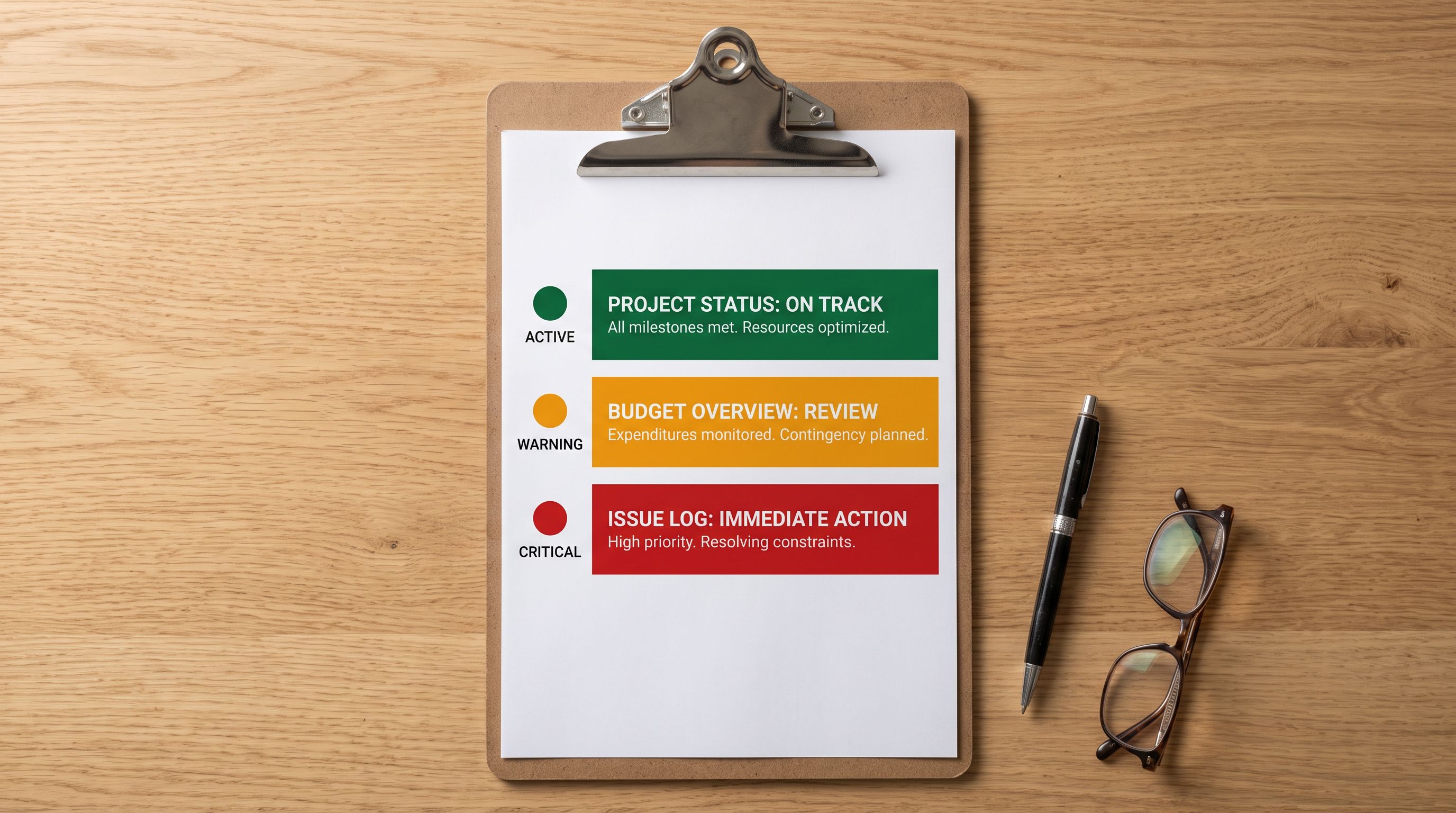 These products are invisible to the most specific agentic queries. They may appear in broad keyword searches but are excluded from the intent-specific queries where conversion rates are highest.
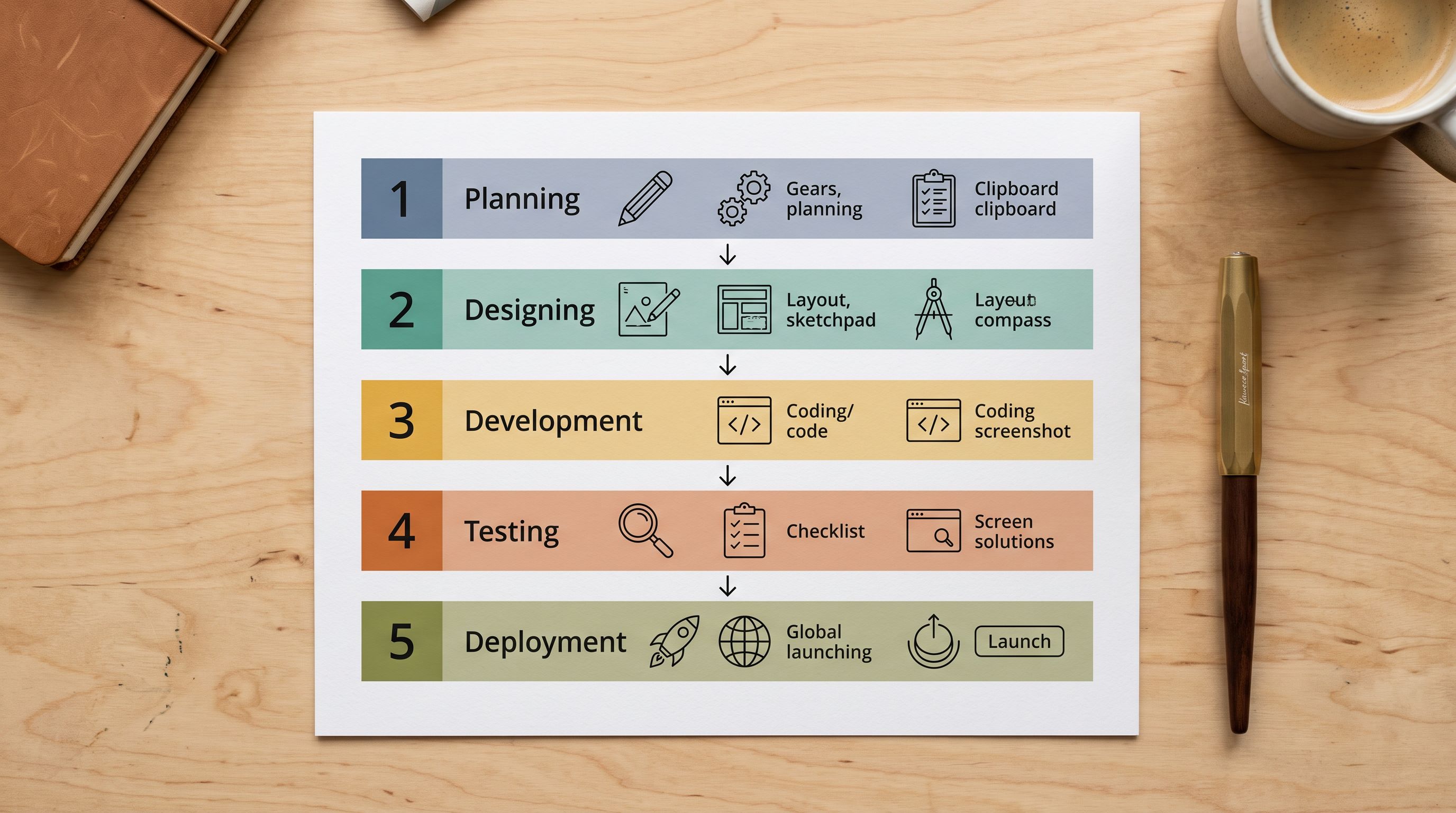
- 01Step 1Run the Store Scanner from Importier's dashboard. The scan reads all active products in the connected Shopify store and checks each of the eight readiness fields against the ready standard. The scan runs in the background; results appear in the dashboard within a few minutes for a standard-sized catalogue.
- 02Step 2Filter the audit output by gap type. Each field has its own column in the results: title length, description word count, metafield population status, GTIN presence, FAQ count, image count, alt text status, meta description length, and SEO title status. Filter to show products failing the highest-priority fields first.
- 03Step 3Select products for batch generation. Group products by category and gap type for batch processing. Apparel products with missing Industry Pack metafields run as one batch. Products with blank alt text across all images run as another. Keeping batches homogeneous means the AI settings and persona selection apply consistently across each batch.
- 04Step 4Run AI generation for each field gap. Importier handles multiple fields in parallel within the same batch pass: description, meta description, SEO title, and alt text can all be generated in one import run. Metafield population from the Industry Pack runs as a separate step because it uses the structured attribute mapping rather than the AI generation pipeline.
- 05Step 5Verify the generated content by sampling. After each generation pass, review a sample of 5-10 products across the batch. Check title character counts, description word counts, alt text distinctness across images, and FAQ relevance. The review step takes less time than generating the content manually for a single product; the batch has already done the work, and the review confirms it.
For context on the broader agentic commerce landscape: the introduction to agentic shopping for Shopify merchants covers what agentic shopping means and why merchant product data is the primary competitive lever. The product data quality guide covers the specific data quality signals AI shopping agents use to evaluate products. The catalogue preparation guide covers the operational process for preparing a full catalogue. The scale guide covers running the full readiness pass across catalogues of 500 to 5,000 products.
Key Takeaways
Eight product data fields determine shopify agentic commerce ready status. Filling all eight does not require starting from scratch. It requires a structured batch process that addresses each gap across the full catalogue.
Key points:
- Title specificity is the first filter. A generic or supplier-formatted title cannot match the specific attribute queries agentic systems handle. The Importier Title Optimizer generates brand/type/attribute titles at 50-60 characters across the full catalogue.
- Description depth matters for specification matching. Thin descriptions lack the material, dimension, use-case, and audience signals agentic systems use to evaluate product fit. 150+ words covering specific attributes is the minimum.
- Category metafields are the structured layer standard text cannot provide. Importier's 22 Industry Packs map 3,758 attributes to Shopify metafields in one import pass.
- GTIN/barcode enables cross-catalogue matching. Products with valid GTINs can be referenced across price comparison, review aggregation, and specification databases. Products without GTINs cannot.
- FAQ coverage enables direct question retrieval. A product page with 4-6 purchase FAQs can answer buyer questions directly in AI shopping interfaces. A page without FAQs cannot serve this function.
- Image completeness means multiple angles and descriptive per-image alt text. A single image with blank alt text participates in neither image search indexing nor visual attribute matching.
- Meta description and SEO title are the search-surface fields. Both are separate from the on-page product title and description in Shopify admin. Both default to suboptimal content when left blank.
- The Store Scanner audits all eight fields across the full catalogue in one pass, producing a prioritised gap report for batch remediation.
Start your agentic readiness audit at importier.app. Store Scanner and batch AI generation are available on the Growth plan and above.
Set up your first import in under five minutes.
Importier brings products into Shopify with AI descriptions, category metafields, and data enrichment on every run.