Why Shopify AI Descriptions Get Product Specs Wrong

On this page
A home appliances merchant imports 200 products from a supplier CSV and generates Shopify AI product descriptions for each one. The import completes without errors. AI descriptions are generated for every product. The descriptions look polished. A week after publishing, a customer contacts support: their air fryer is described as having a 2400W heating element, but the actual product runs at 1400W. The merchant checks ten more descriptions. Four contain incorrect wattage. Two describe capacity in litres rather than the quarts the product actually ships in. One says the basket is stainless steel when it is non-stick coated aluminium.
The AI did not fabricate these claims from nothing. It filled in plausible values for a category it knows well. Air fryers commonly run at 1500-2400W. They typically hold 1.5-7 litres. The AI used category knowledge to complete the description where the source data was ambiguous or silent. The result looks authoritative and reads correctly. The specs are wrong.
This is the AI specification inference problem. It is different from thin-data descriptions (where sparse product information produces vague, generic content). The AI generates specific, confident-sounding claims, and those claims are sometimes wrong because they came from category patterns, not from the actual product.
Why This Happens With AI Product Descriptions
AI models are trained on large corpora that include product listings, manufacturer specifications, and review content. When a model processes a product titled "5L Digital Air Fryer with Timer" alongside a basic description and no technical specifications, it draws on patterns from the training data to fill in plausible details.
The problem is not that the AI is wrong about air fryers in general. It is that the model cannot distinguish between what it learned from training data and what the specific merchant's product actually contains. Both are treated as valid inputs to the description. The resulting text blends confirmed facts from the product record with inferred values from category knowledge.
This inference is usually not visible in the output. The description does not flag which details come from the product record and which come from model inference. The wattage figure reads exactly like the capacity figure: as established fact.
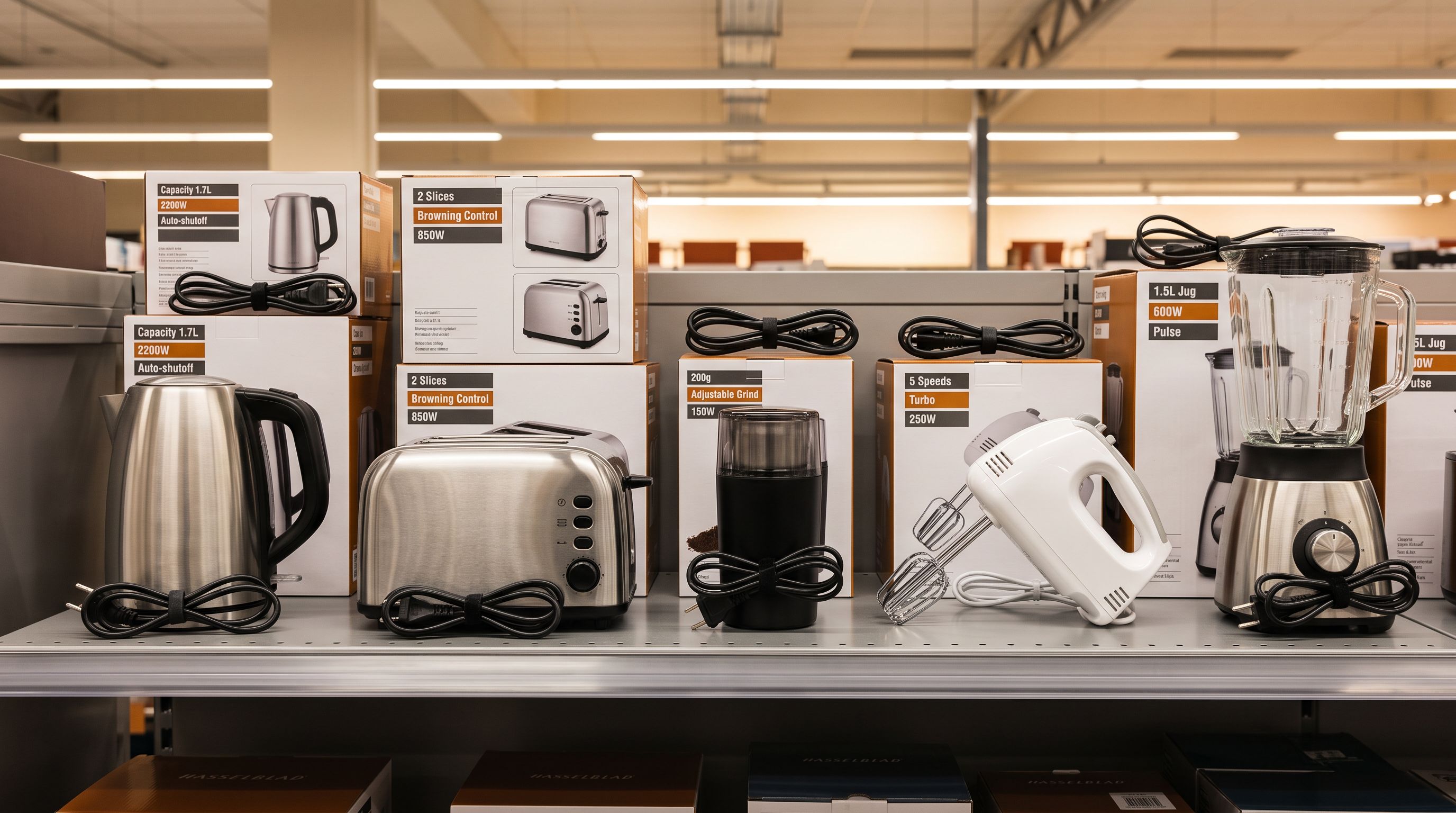
The product types most vulnerable to this are:
- Electronics and electrical appliances: wattage, voltage, frequency, input/output specs
- Cables and connectors: data transfer speeds, charging wattage, protocol support (USB-C does not mean USB 3.2)
- Tools: motor specifications, RPM ranges, chuck sizes, torque ratings
- Nutritional products: serving sizes, active ingredient concentrations, clinical dosages
- Construction and building materials: load ratings, thickness tolerances, fire ratings
These are all categories where a plausible figure differs from the correct figure in ways a customer will notice after purchase.
- 01Before generating AI descriptions for specification-sensitive products, read all fields in the Review step. The product title, description, and attributes are what the AI actually sees. If key specs are absent from the import data, the AI will infer them from category patterns.
- 02In the AI description settings, use the Enrichment Context field to constrain what the AI should claim. A short instruction like 'Describe only what is confirmed in the product title and specification fields. Do not infer wattage, dimensions, or material from category knowledge.' shifts the AI away from inference.
- 03Choose a higher-tier model from Importier's 18+ options for specification-sensitive product categories. Higher-tier models are more likely to stay within the confirmed data and flag uncertainty rather than fill in plausible values.
- 04Apply the relevant Industry Pack (Electronics, Home & Kitchen, Tools) before generating descriptions. Industry Packs teach the AI the structured attribute vocabulary for the category; they do not prevent inference; they make the AI more precise about what each attribute is, and more likely to leave a field blank when it cannot confirm the value.
- 05After generation, use the Review step to read descriptions before pushing to Shopify. Specification claims are the primary checkany figure (wattage, RPM, capacity, concentration) not present in the source data should be removed or flagged for manual verification.
The Enrichment Context Field
Importier's Enrichment Context field is a direct instruction to the AI for the current generation run. It appears in the AI description settings and accepts freeform text.
Most merchants use it to add product context that the supplier file does not include: "These are trade-grade tools designed for professional workshop use" or "All products in this import are certified organic and fragrance-free." This context shapes the tone and emphasis of the generated descriptions without changing what the AI claims about specs.
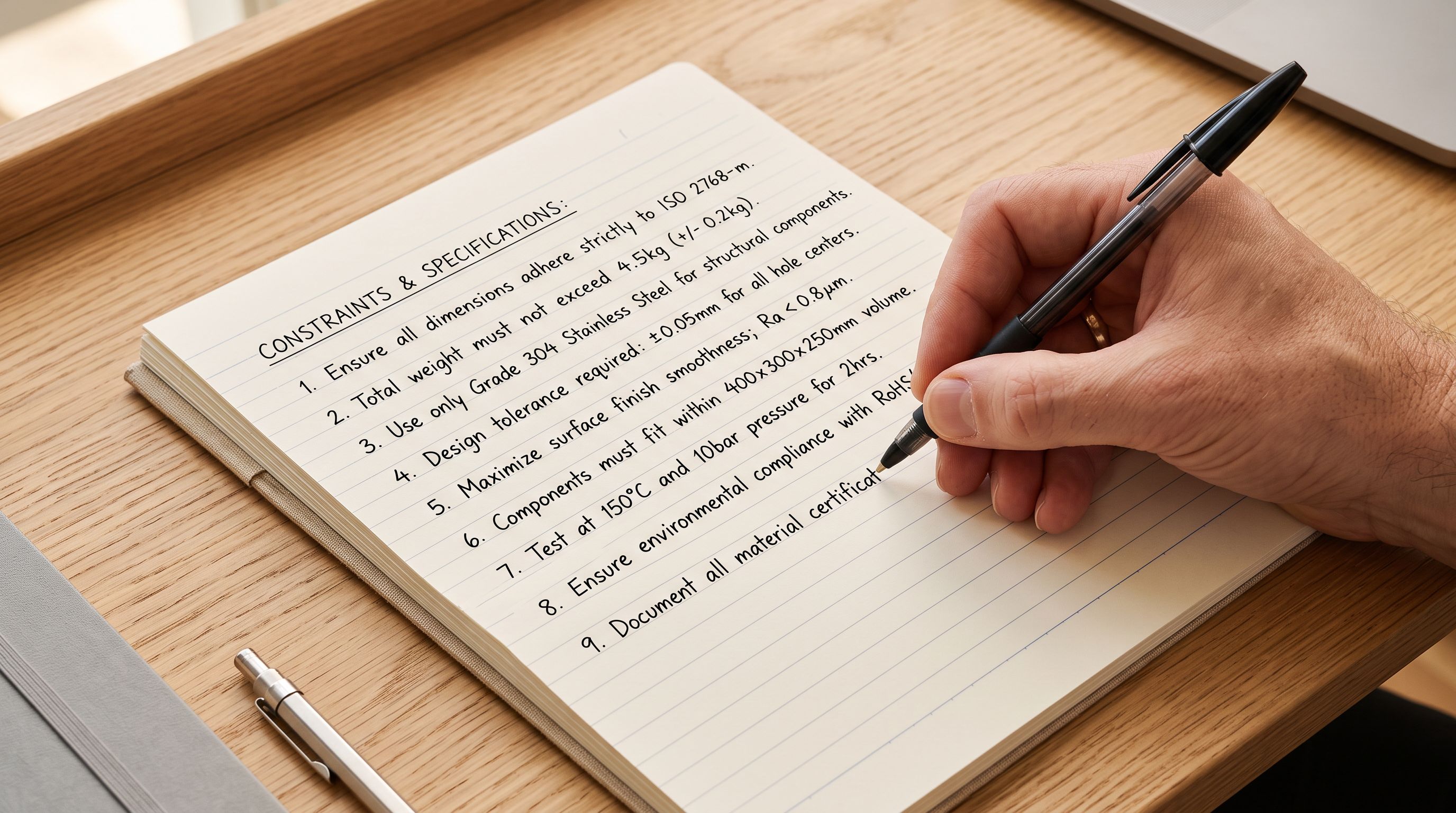
The field also works as a constraint. An instruction like "Do not state wattage, motor speed, or load rating unless the value appears in the product title or specification fields" tells the AI to omit those claims rather than infer them. The resulting descriptions will have gaps where the figures are missing, but those gaps are accurate. A blank spec is recoverable. A wrong spec creates a return.
A blank specification is recoverable. A wrong specification written in confident prose creates a return, a support ticket, or a regulatory problem.
The constraint instruction works most effectively when it is specific to the category. "Do not infer electrical specifications" is more effective for an appliances import than "only describe confirmed facts," because the AI understands which claims are electrical specifications and can apply the restriction accurately.
What the Review step can catch
Using the Review Step as a Specification Check
Every import in Importier ends at a Review step before anything is pushed to Shopify. The Review step shows the generated description for each product alongside the source data fields the AI used.
For specification-sensitive products, this is where inference errors surface. If a description claims "1400W motor" and the source product data contains no wattage field, the discrepancy is visible: the value is in the output but not in the input. That pattern identifies an inferred figure.
The practical check: for any numeric claim in a generated description (wattage, capacity, speed, dimension, concentration), verify that value exists in the source data. Product data fields visible in Review are the authoritative source. If the number is not there, it came from category inference.
- Describes wattage, RPM, or charging speed based on category patterns. Figures sound authoritative and specific. Customer-facing spec claims may not match the actual product. Returns and support contacts follow for spec-sensitive categories.
- Enrichment Context instructs the AI to omit claims it cannot confirm. Missing specs appear as gaps rather than inferred values. Review step shows no numeric claims beyond what the source data contains. Descriptions are shorter but accurate for specification claims.
Model Selection for Specification-Critical Products
Importier offers 18+ AI models across four tiers. For specification-sensitive product categories, model selection matters.

Lower-tier models in the Starter group (Amazon Nova Micro, Gemini 2.5 Flash Lite, MiniMax M2.5) are optimised for speed and cost efficiency. They perform well for product categories where specification inference is low-risk: apparel, home decor, books, gifts. For technical product categories, their tendency to complete plausible-sounding descriptions with inferred specs is a liability.
Higher-tier models across Scale and Enterprise (GPT-5 Mini, Claude Sonnet 4.6, Claude Opus 4.6, GPT-5.4) are better at staying within confirmed data. They are more likely to acknowledge uncertainty rather than fill gaps with category patterns. For a 200-product electrical appliance import, the marginal cost of using a higher-tier model is small relative to the cost of managing returns from incorrect spec claims.
This is not a rule about model tiers in general. It is specific to product categories where plausible values differ materially from correct values, and where a customer acts on the claimed specification at purchase.
Industry Packs and Specification Accuracy
Importier's 22 Industry Packs cover the Shopify Standard Product Taxonomy with 3,758 category attribute types. When an Industry Pack is applied during an import, the AI learns the structured attribute vocabulary for the category: which attributes exist, what their valid value ranges are, and how they should be expressed.
This does not eliminate inference, but it changes how inference behaves. Without an Industry Pack, an AI generating descriptions for power tools draws on its general knowledge of tools. With the Tools Industry Pack applied, it draws on structured attributes with specific vocabulary. The AI is less likely to collapse multiple distinct specs into a single plausible figure when it understands the attribute structure of the category.
The effect is most visible on products that have a rich attribute set. A drill with a confirmed chuck size, stroke rate, and bit compatibility benefits more from an Industry Pack than a product where no attributes are confirmed. The Pack gives the AI a schema to match against, and when the source data does not supply a value, the structured schema makes it more likely the AI leaves that attribute blank rather than supplying a plausible default.
Key Takeaways
- AI specification inference happens when the model fills in plausible values the source data does not contain. It is distinct from thin-data descriptions: the problem is not generic content but specific, confident-sounding claims that may be wrong.
- Categories most at risk: electrical appliances, cables and connectors, power tools, nutritional products, and construction materials: any category where a plausible spec differs from the correct spec.
- The Enrichment Context field can constrain inference. A short instruction telling the AI not to claim wattage, dimensions, or material unless confirmed in the source data shifts the output away from inference and toward gaps.
- The Review step is the last catch before descriptions go live. For specification-sensitive imports, check every numeric claim in generated descriptions against the source data fields visible in Review.
- Higher-tier models are better at staying within confirmed data. For specification-critical categories, the cost difference is small relative to the cost of managing incorrect spec claims post-publication.
- Industry Packs add category schema context. They do not prevent all inference, but they make the AI more precise about attribute types and more likely to leave unconfirmed attributes blank.
According to Shopify's guidance on product page content, the most trusted product pages give buyers the specific technical information they need to make a purchase decision. A description that supplies that information incorrectly damages trust in a way that a description with a gap does not.
The Google Merchant Centre product data specification treats incorrect product attribute data as a policy violation. Incorrect GTINs, conditions, and descriptions that misrepresent the product can trigger disapproval or account-level action. For merchants running Shopping campaigns, a wrong spec in a generated description is not just a customer service problem.
Manage AI description generation for specification-sensitive products at importier.app.
Set up your first import in under five minutes.
Importier brings products into Shopify with AI descriptions, category metafields, and data enrichment on every run.