Shopify Art and Collectibles Import: Metafield Setup Guide
On this page
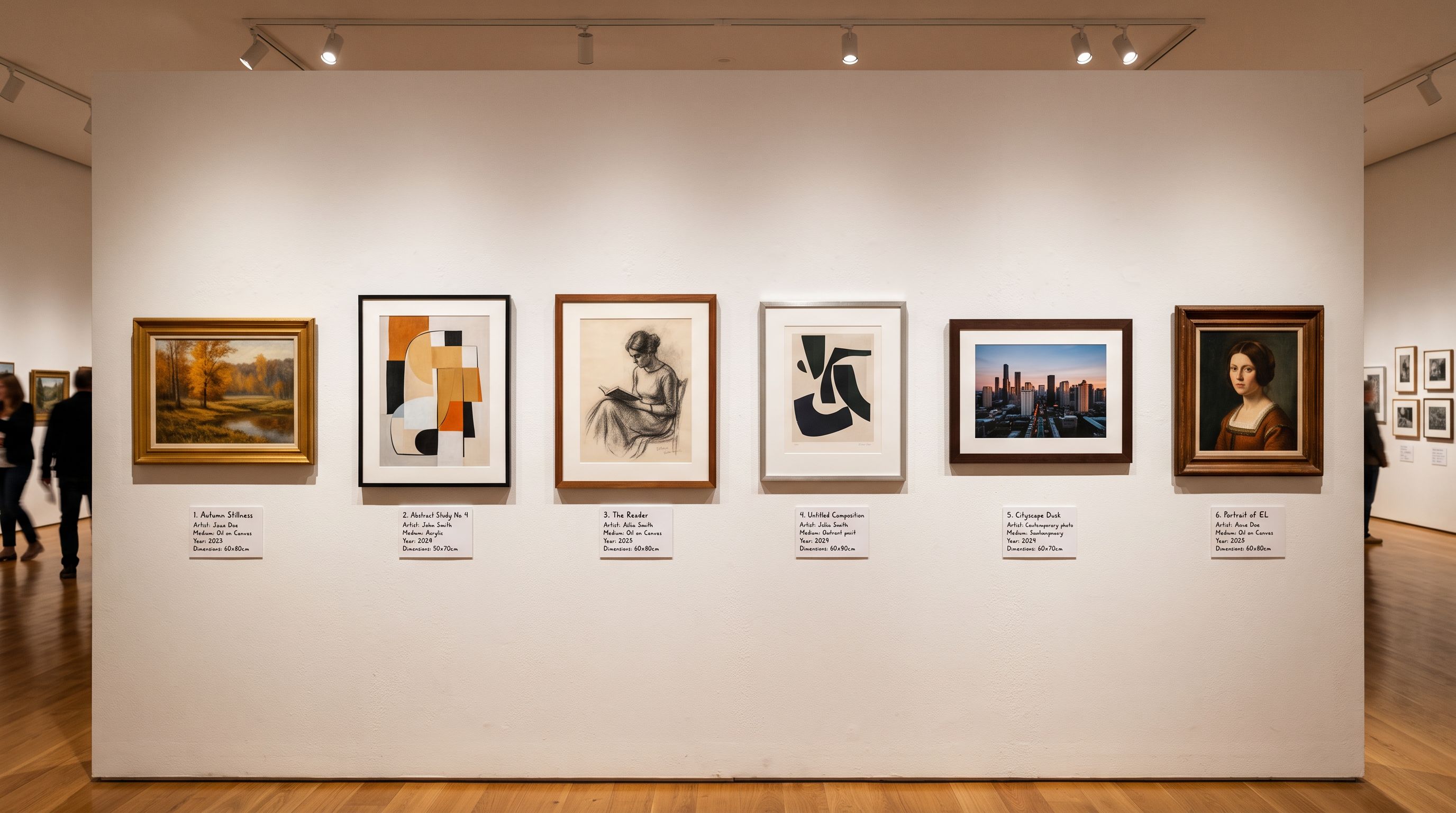
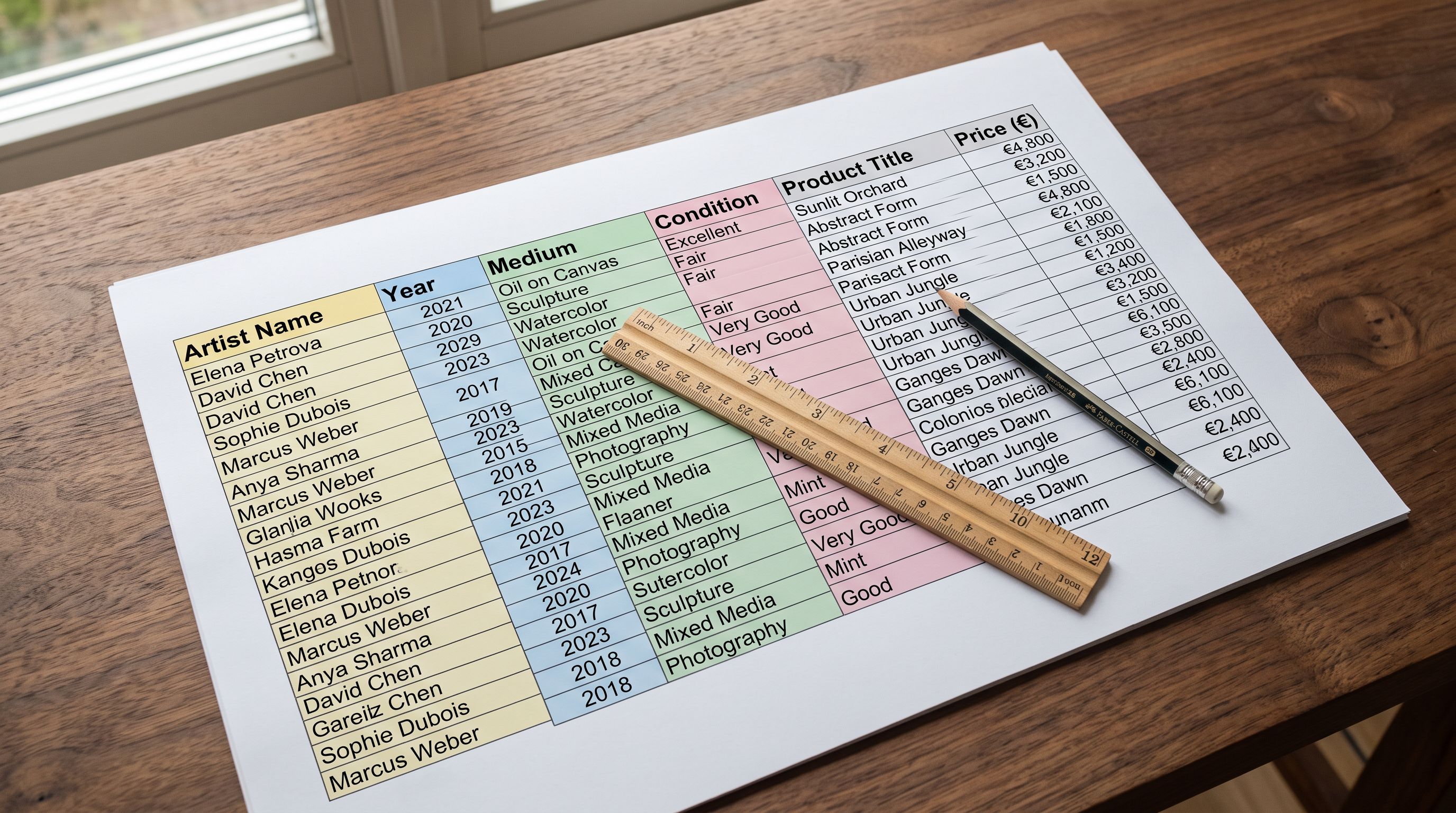
A shopify art collectibles import looks like a straightforward product import until a gallery owner opens the Shopify CSV template. The gallery has received a valuation spreadsheet for a deceased estate: 250 artworks covering oil paintings, limited edition prints, bronze sculptures, and vintage ceramics. Each piece has artist, year, medium, dimensions, provenance notes, condition grade, and estimated value. The gallery needs every piece listed within the week.
The problem surfaces in the second column of the Shopify CSV template: there is no field for artist. No field for medium. No field for condition. No field for provenance. Every piece of catalogue data the valuation spreadsheet contains has nowhere to go in Shopify's standard product fields except the description column, where it disappears into free text and becomes unsearchable.
A shopify art collectibles import requires a different approach from standard retail product imports. The data model is fundamentally different, and importing without accounting for that difference produces a gallery that no collector can navigate.
What Makes Art and Collectibles Import Different from Standard Retail
A typical retail product import maps neatly to Shopify's product fields: title, vendor, product type, price, SKU, barcode, and variants. Art and collectibles introduce a set of structured attributes that standard retail does not use.
Provenance. The ownership and exhibition history of a work. For fine art, provenance is part of what determines value. For collectibles, provenance data (original owner, purchase records, exhibition history) is what separates a documented piece from an undocumented one. This is not a description paragraph. It is structured data that collectors filter on.
Medium and technique. Oil on canvas, watercolour on paper, bronze cast, hand-thrown ceramics. These are filterable attributes that collectors use to find works matching their collection criteria. When medium lives in description text, a Shopify Smart Collection condition of "Medium equals Watercolour" cannot be created.
Condition grade. The standardised condition system used by galleries, auction houses, and dealers: Mint, Near Mint, Very Good, Good, Fair, Poor, or variations specific to the category (for numismatics, MS-70 down to P-1). Condition affects both value and buyer expectations. As a free-text description note, condition is invisible to filters and search.
Edition and authenticity. For prints, edition number and total run size (e.g., 12/100) are standard catalogue data. For any authenticated work, the certificate of authenticity status is relevant to buyers. Neither maps to a standard Shopify product field.
Shopify Art Collectibles Import: The Industry Pack That Fills the Gap
Importier's Category Metafields feature includes 22 Industry Packs built on Shopify's Standard Product Taxonomy, covering 3,758 attribute types across 43 industries. The Art and Collectibles pack covers the attribute categories that galleries and dealers need: artist, year created, medium, technique, style, subject, dimensions, edition, condition, and certificate status.
During a shopify art collectibles import, the Industry Pack runs at the category metafields step of the 14-step import wizard. For each product in the batch, the AI reads the available product data and populates the relevant attributes using values from Shopify's approved taxonomy vocabulary. The result: each artwork arrives in Shopify admin with structured attribute pills displayed in the two-column metafield layout, not as buried free text.
The practical difference is substantial. A collector browsing the gallery store can filter by medium (showing only oil paintings), by year range (showing only works from 1950 to 1980), or by style (showing only abstract works). None of those filter options exist when the data lives in the description.
For a 250-piece estate collection, the Industry Pack step at import time is the equivalent of months of retrospective data entry. The alternative is either importing all 250 pieces with bare descriptions and then manually populating metafields in Shopify admin, or leaving the data in the description permanently and building a gallery that collectors cannot navigate.

Structuring Provenance Data at Import Time
The column mapping step in the import wizard is where provenance data from a valuation spreadsheet gets directed into the right Shopify fields. Importier's auto-mapping recognises common column names and suggests mappings, but art import typically involves custom columns that need manual direction.
- 01Step 1Map standard columns first. Title, price, SKU (or a generated handle), and images map directly. For unique pieces without SKUs, Importier can generate a handle from the title during the import.
- 02Step 2Map provenance and descriptive columns. Artist name, year, medium, and technique columns from the valuation spreadsheet go into the Enrichment Context field. The AI uses this data to populate the Industry Pack attributes and to write the description.
- 03Step 3Set the description style to Emotional Storytelling. For original works, Emotional Storytelling produces descriptions that contextualise the piece: its place in the artist's body of work, the mood the medium creates, and the story the subject tells. The provenance data fed through the Enrichment Context becomes part of that narrative.
- 04Step 4Enable the Art and Collectibles Industry Pack at the category metafields step. The pack reads the title, description, and any enrichment context to populate medium, technique, style, subject, and condition as structured metafields against Shopify's taxonomy values.
- 05Step 5Set quantity to 1 for unique pieces. For original artworks, set the inventory quantity to 1 and disable continuing to sell when out of stock. For prints with multiple editions available, quantity reflects the number of copies held.
Unique-Piece Import Without Barcodes
Standard retail import relies on barcodes (GTINs) for product identification and enrichment. Art and collectibles almost never have barcodes. Original artworks have no GTIN. Limited edition prints may have a catalogue number but not a barcode. Vintage collectibles predate barcodes entirely.
Importier does not require a barcode to proceed with an import. For products without a barcode column in the import file, the enrichment step uses the product title, description, and any enrichment context to classify the product and populate fields. The barcode field imports as empty, which is correct for original artworks. Shopify does not require a barcode for products that are unique pieces.
For a gallery importing 250 unique works, the absence of barcodes is not a data problem to solve. It is the normal state of art import. The enrichment context field, where you tell Importier what it needs to know about each piece, replaces what a barcode lookup would have provided.
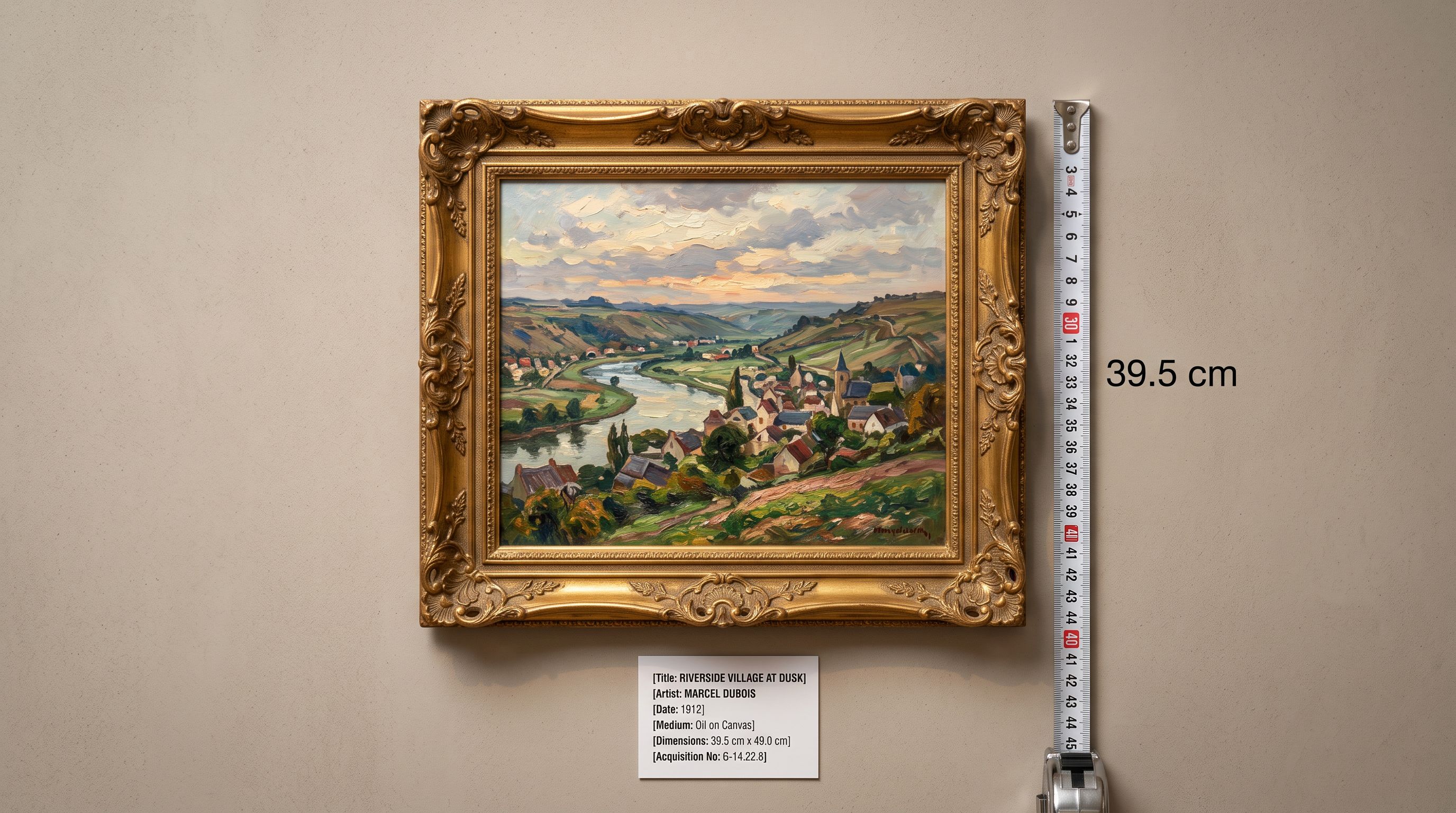
For an estate sale import where each piece has a unique catalogue number from the valuation house, that number can go into the SKU field. It becomes the product's internal reference, not a barcode, and Importier treats it correctly.
Description Style for Art: Why Standard Copy Falls Short
Importier's Standard description style produces a structured, factual description: materials, dimensions, specifications, and features. For a hardware component or a consumer electronics product, that structure is correct.
For an original artwork, Standard style produces catalogue copy that reads like an insurance valuation. "Oil on canvas, 76 x 102 cm, unsigned, 1987." Factual. Accurate. Uninspiring. A collector making a purchase decision needs to understand why the piece is worth acquiring, what it means in context, and what it will bring to a collection or space.
Importier's Emotional Storytelling description style is built for exactly this. The style structures the description around experience and occasion: what the work evokes, the context of its creation, the story the subject tells. For a 1987 oil painting by a recognised Australian artist, the Emotional Storytelling style produces a description that opens with the work's place in the artist's career, moves through the visual experience of standing in front of it, and closes with what a collector gains by acquiring it.
For different categories within art and collectibles, the style choice changes:
Investment-grade collectibles (coins, stamps, trading cards): Benefits-First style leads with the condition grade, rarity, and provenance documentation that drive collectible value. Collectors in these categories are making investment decisions, not emotional ones.
Handmade pieces (studio ceramics, handwoven textiles, bespoke jewellery): Ingredient Spotlight style foregrounds the materials and process. The clay source, the firing technique, the dyeing method. For buyers of handmade work, the how is part of what they are buying.
The Art specialist persona, one of 156 expert personas across 43 industries in Importier, writes with the vocabulary of a gallery cataloguer. It uses terminology familiar to collectors (provenance, attribution, medium, support, technique) rather than the general retail vocabulary the Standard persona defaults to.

- Artist and medium buried in description text
- No metafield filtering in Shopify admin
- Smart Collections cannot be built on artwork attributes
- GMC cannot read artist or medium for Shopping listings
- Collectors cannot find works by medium, style, or artist
- Artist, medium, style, condition as structured taxonomy metafields
- Shopify admin filtering works by attribute value
- Smart Collections possible for medium, style, or period
- GMC reads structured attributes directly for Shopping
- Collector search and filtering works as expected
Condition Grading: Variant or Metafield?
The decision about where condition grade lives in a Shopify product depends on the merchant's catalogue model.
Condition as a metafield makes sense for unique pieces where each artwork or collectible is a distinct product. A 1987 oil painting in Very Good condition is not the same product as the same painting in Good condition. They are different works at different price points. Each gets its own Shopify product, with condition as a structured metafield attribute.
Condition as a variant makes sense for multiple-copy collectibles where the same item exists in different conditions. A dealer with ten copies of the same vintage baseball card in conditions ranging from Good to Near Mint may prefer one Shopify product with condition as a variant, each variant at a different price. Importier's variant detection handles this: if the import file has rows for the same title at different condition grades and prices, the wizard groups them as variants.
For most gallery imports, condition is a metafield. For most dealer imports of non-unique collectibles, condition may be better handled as a variant. The import wizard lets the merchant decide at the variant grouping step, before any data is pushed to Shopify.

After Import: Building Gallery Pages from Metafield Values
After a shopify art collectibles import with the Industry Pack enabled, the Shopify admin contains products with structured metafield attributes. These attributes become the foundation for building a browsable gallery experience.
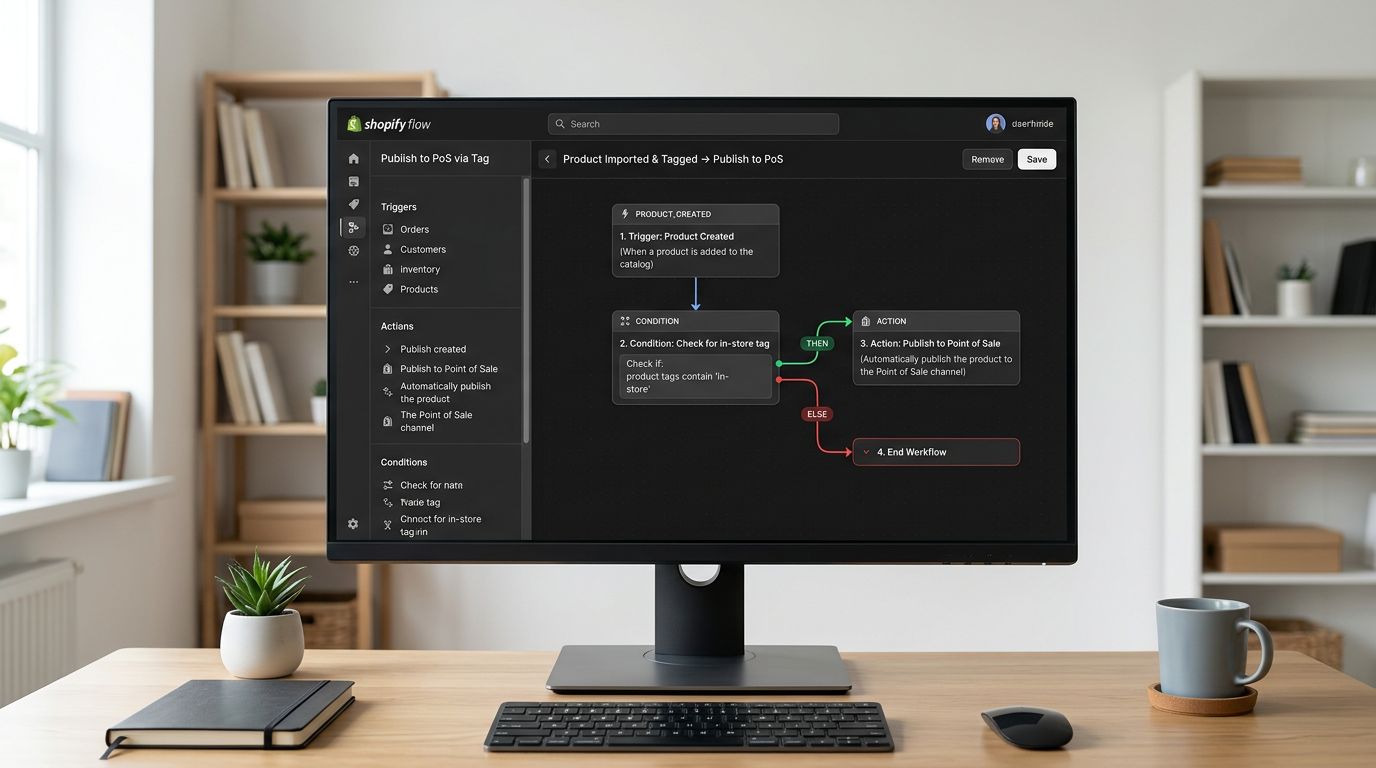
Shopify Smart Collections support conditions based on product metafields. A collection conditioned on Medium = Oil means every oil painting in the catalogue appears there automatically, with no manual curation required. Add a condition for Style = Abstract and the collection narrows. Change the condition to Year Created between 1950 and 1980 and you have a period gallery.
For galleries with a deep catalogue across multiple artists, the combination of Artist and Year Created as structured metafields enables collector-style browsing that free-text description search cannot replicate. According to the Art Basel and UBS Global Art Market Report, online art sales have grown significantly over the past five years, with collectors increasingly using structured search to find works. Structured metafield data is what enables that search.
For the international art and collectibles market, the Shopify product data requirements for Google Merchant Centre specify that structured attributes in the product feed improve Shopping listing quality for art and collectibles categories. The Art and Collectibles Industry Pack populates these attributes at import time, not as a manual post-import task.
Shopify Art Collectibles Import: Key Takeaways
A shopify art collectibles import is not a standard retail import with different product names. The data model is different, and the tools needed to get that data into Shopify correctly are different.
- Art and collectibles require provenance, medium, technique, condition, and edition as structured metafields, not embedded in description text. Structured metafields enable filtering, Smart Collections, and Google Merchant Centre attribute reads.
- Importier's Art and Collectibles Industry Pack, part of the 22 Industry Packs covering 3,758 attribute types from Shopify's Standard Product Taxonomy, populates these fields during the 14-step import wizard.
- Unique pieces without barcodes import without requiring GTIN data. The Enrichment Context field provides the artist, year, medium, and provenance information the AI needs to populate attributes and write descriptions.
- Emotional Storytelling description style suits original artworks. Benefits-First suits investment-grade collectibles. Ingredient Spotlight suits handmade pieces where materials and process are part of the value proposition.
- Condition grade belongs as a metafield for unique pieces (each condition = separate product) and as a variant for multiple-copy collectibles where the same item exists at different condition levels and prices.
- After import, use Shopify Smart Collections conditioned on metafield values (medium, artist, style, period) to build browsable gallery pages without manual curation.
Import your art and collectibles catalogue at importier.app. Importier's 14-step import wizard handles unique pieces, structured metafield population, and Emotional Storytelling descriptions in a single import run.
Set up your first import in under five minutes.
Importier brings products into Shopify with AI descriptions, category metafields, and data enrichment on every run.