# Technical Gadget Descriptions for Shopify Product Pages
> For electronics, tools, and appliances, buyers arrive with a specification already in mind. Technical Gadget confirms it before any benefit claim.
- Published: 2026-07-10
- Author: Importier Team
- Category: Agentic Commerce / AI Product Descriptions
- Canonical: https://www.importier.app/blog/shopify-technical-gadget-product-descriptions
---
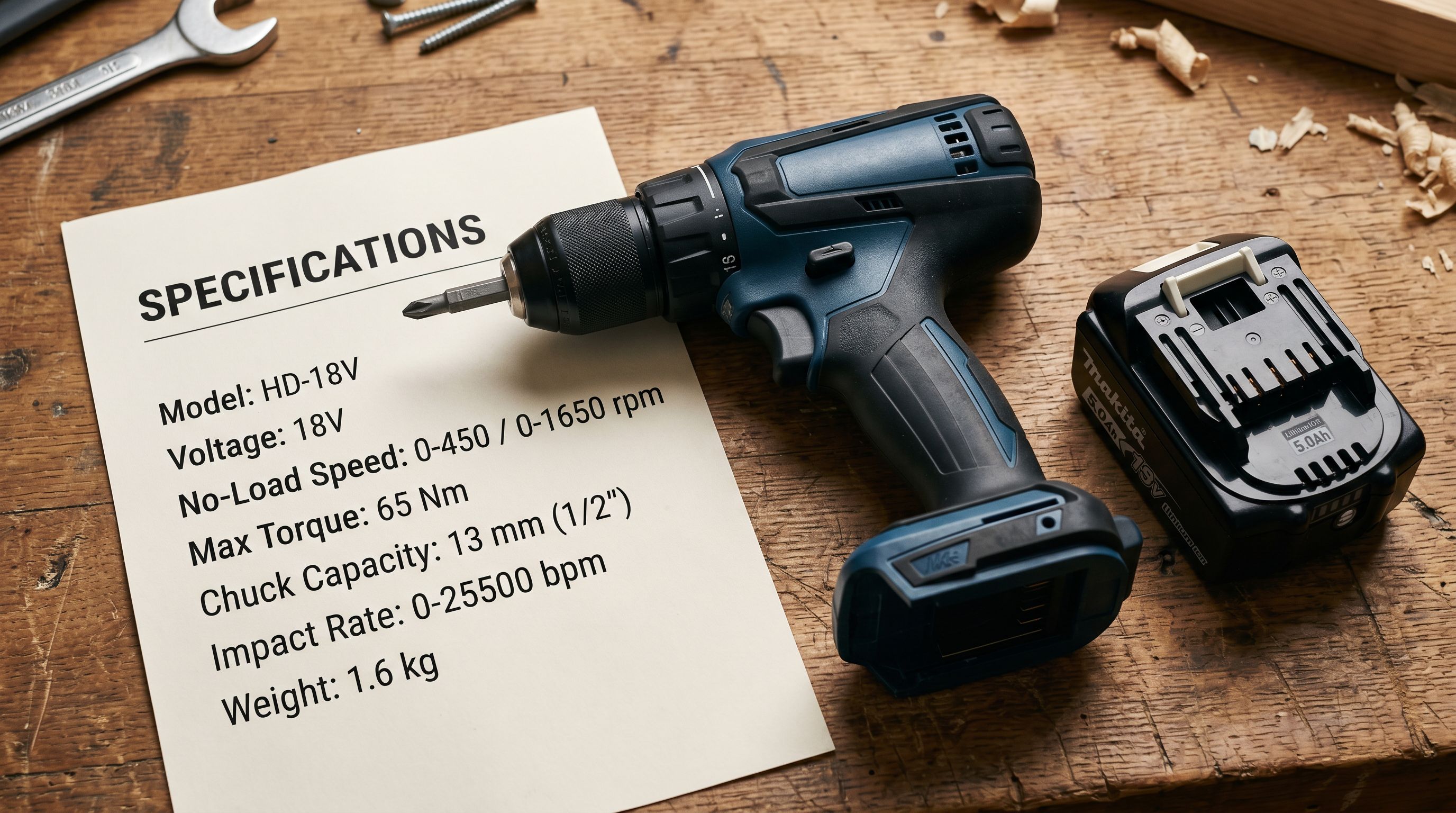
A buyer researching an 18V brushless cordless drill has already decided on their voltage and motor type before they reach a product page. They arrive to confirm torque rating, battery compatibility, and chuck size. When the product description opens with "Tackle your DIY projects with confidence using this powerful cordless drill, built for professionals and home users alike", they have to keep reading to find the specifications they came to verify. A significant portion of those buyers will not wait. They return to the search results and check the next listing, which may open with "18V brushless motor, 65Nm of torque, compatible with the BrandX 18V battery range."
This is the core difference between a benefits-first description and a specification-first description. For a subset of product categories, spec-literate buyers make the purchase decision in the first two sentences or they do not make it at all on that page. Importier's Technical Gadget description style structures AI-generated descriptions so the primary performance specification lands in the opening sentence, not the opening paragraph.
This article covers how Technical Gadget works structurally, which product categories it serves, how the specification hierarchy is applied, and how to pair it with the right persona and title configuration to match the complete buyer experience from search impression to product page.
## What Technical Gadget changes structurally
Every description style in Importier applies a different opening sequence. Standard leads with a balanced mix of features and benefits. Benefits-First leads with the outcome the buyer wants. Sensory-Rich leads with the primary sensory experience. Technical Gadget is the style that leads with the core technical specification before any benefit claim, use case, or experience framing appears.
The structural difference for a 4K action camera:
- **Standard or Benefits-First:** "Capture your adventures in stunning detail with this 4K action camera, designed for athletes, travellers, and outdoor enthusiasts who want professional-quality footage without professional complexity."
- **Technical Gadget:** "4K video at 60fps with electronic image stabilisation, f/2.8 aperture, and waterproof to 10 metres without a housing. Records in H.265 for efficient storage without quality loss."
The second opening tells a spec-literate buyer, in two sentences, whether this camera meets their requirements. The first opening tells them nothing specific until they have already committed to reading the next paragraph.
Technical Gadget does not remove benefit claims from the description. It places the primary technical specification before those claims, so buyers who arrived to verify a specific number can confirm it before deciding whether the benefit copy is relevant to them.
## Product categories where Technical Gadget performs strongly
Technical Gadget is appropriate for any product where the buyer's decision depends on a specific performance metric rather than an experience, a narrative, or a sensory quality.
**Consumer electronics:** Buyers comparing smartphones, laptops, earphones, and tablets filter by primary specs (processor, RAM, screen resolution, battery capacity) before they evaluate brand or design. A buyer choosing between two laptops both priced at $1,499 is comparing processor generation and RAM before anything else. Technical Gadget leads with those comparisons and lets the buyer reach a decision faster.
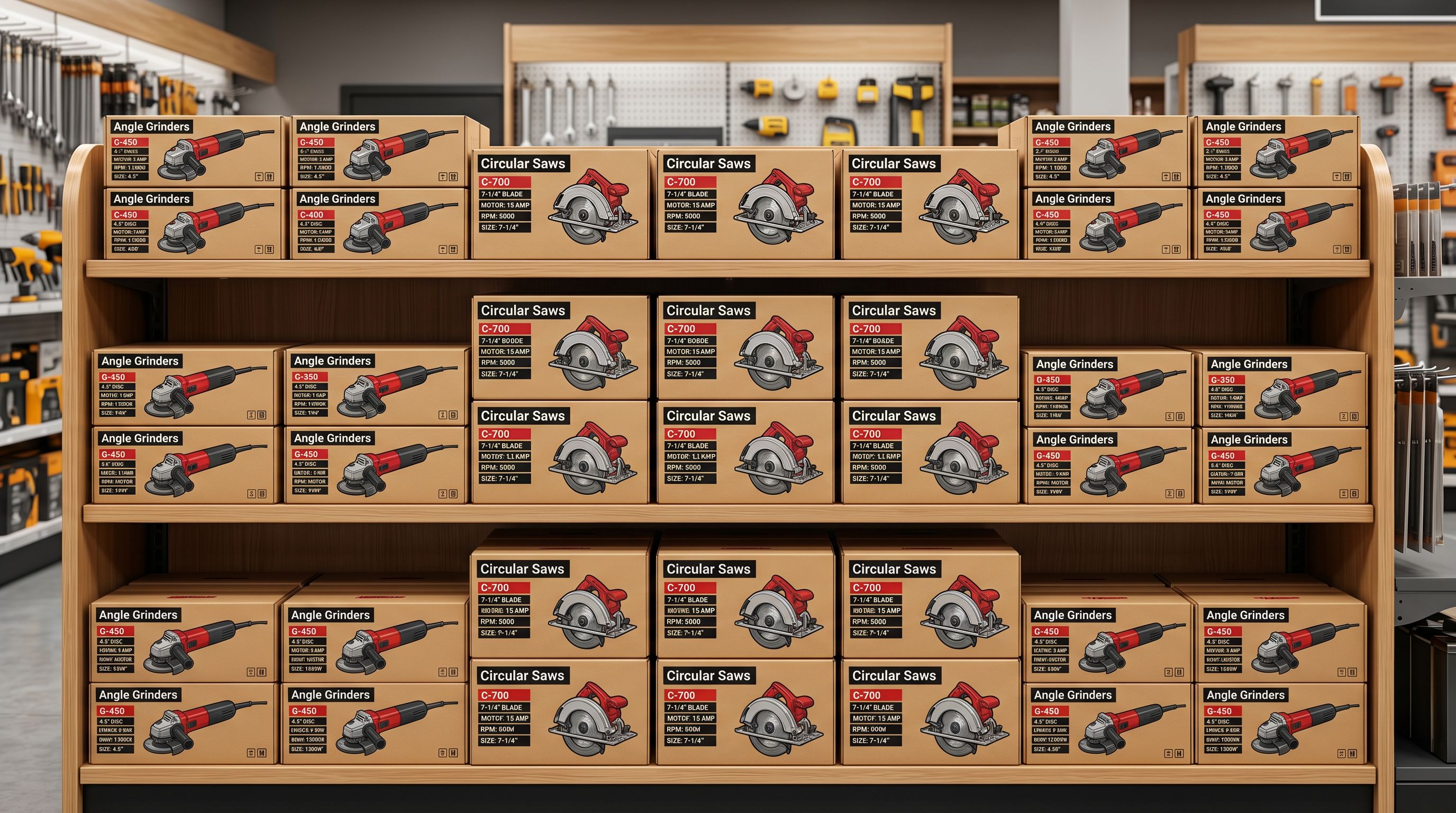
**Power tools and garden power equipment:** Voltage, wattage, RPM, torque rating, and battery compatibility are the decision-driving specifications for drills, circular saws, angle grinders, and lawn mowers. A tradesperson purchasing a cordless circular saw knows their site runs an 18V platform. A description that does not confirm the voltage in the first sentence forces the tradesperson to scan for that information before they can evaluate anything else about the product.
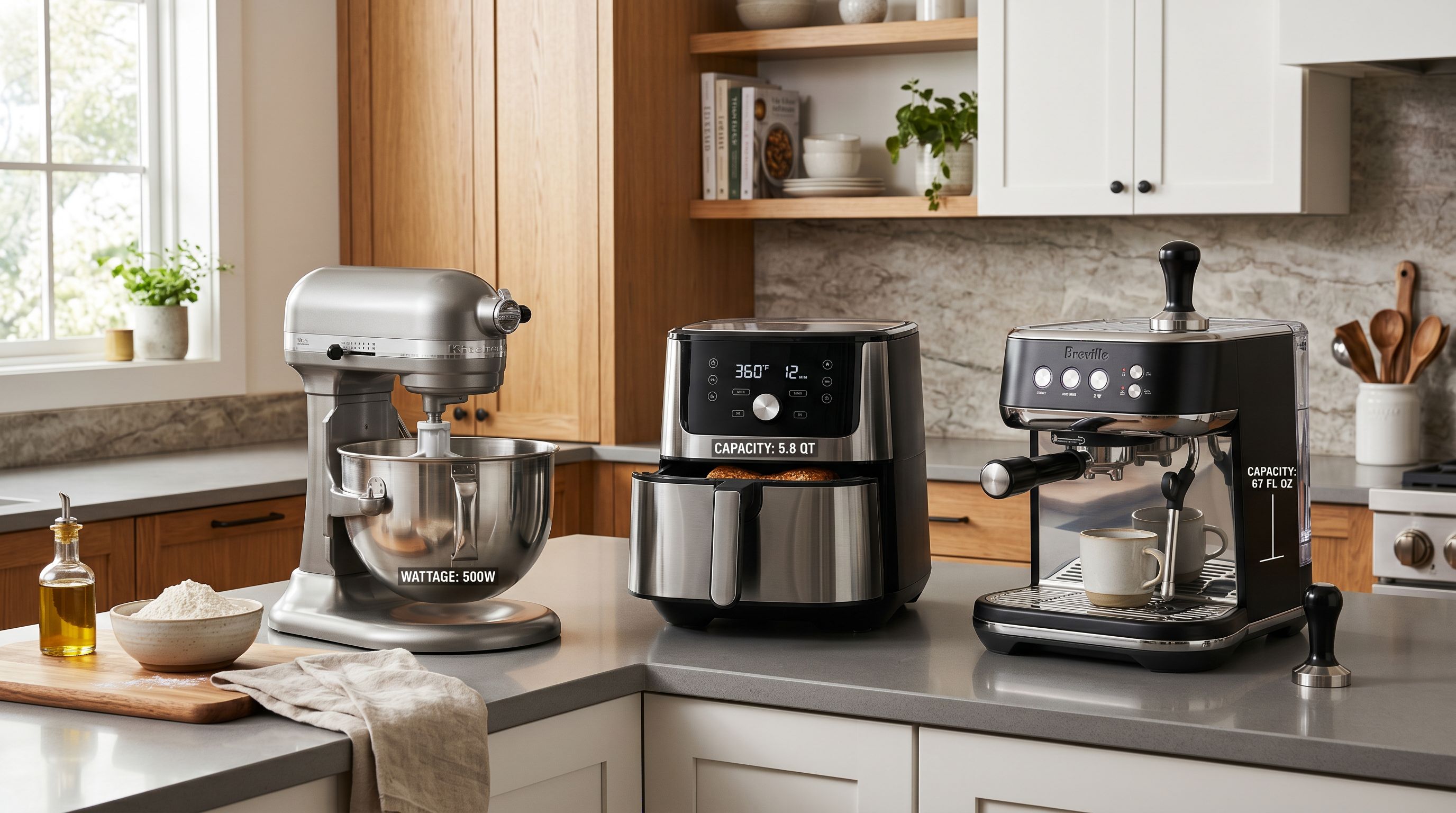
**Kitchen appliances:** Capacity (litres, cups, servings), wattage, and temperature range are the primary specs for stand mixers, air fryers, coffee machines, and blenders. A buyer comparing two stand mixers wants bowl capacity and motor wattage confirmed before they care about the finish colour options or the warranty period.
**Audio and photography equipment:** Frequency response, driver size, sensitivity, and impedance for speakers and headphones. Sensor size, megapixel count, aperture, and autofocus specification for cameras. These are the numbers spec-literate buyers come to verify.
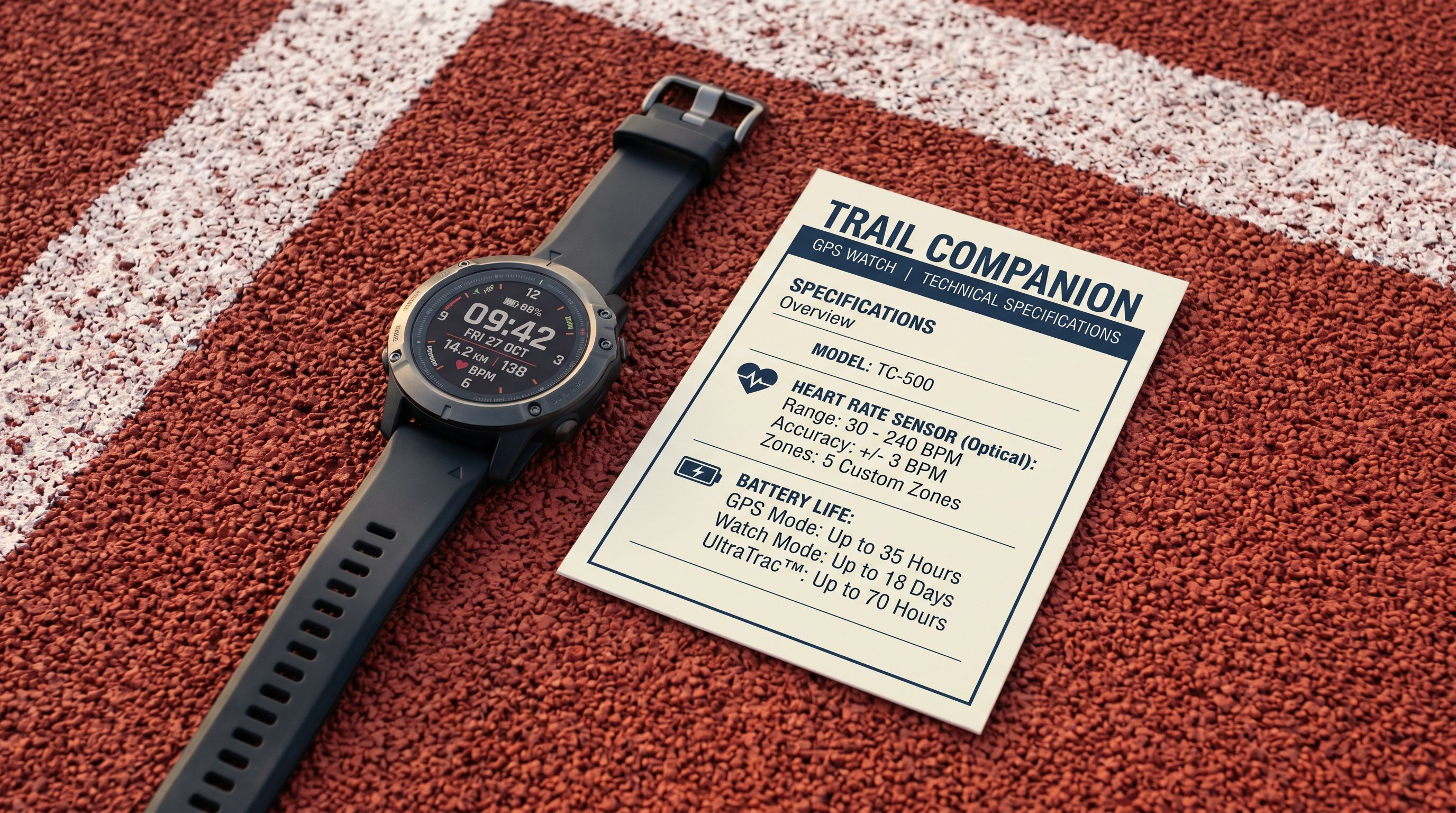
**Sporting and outdoor equipment with technical specifications:** GPS accuracy, heart rate monitor range, satellite system count, and water resistance for sports watches. Battery capacity, lumen output, and beam distance for head torches. Where the specification determines suitability, Technical Gadget applies.
## How the specification hierarchy works
When Technical Gadget is selected in Importier, the AI applies a specification hierarchy to determine the opening sequence of the description. The hierarchy prioritises information in the order that a spec-literate buyer for that product category applies it.
For **consumer electronics**, the AI leads with the primary performance metric for the category: processor and memory for computers, screen resolution and panel type for monitors, speaker wattage and driver configuration for audio equipment. Secondary specs (connectivity, dimensions, compatibility) follow in the second paragraph. Application context and benefits appear after the specification data is established.
For **power tools**, the primary metric is the voltage tier or wattage rating, followed by the performance specification (torque for drills, cutting depth for saws, CFM for compressors), then battery platform compatibility. A description that buries the voltage in the third paragraph is not a Technical Gadget description.
For **kitchen appliances**, the primary metric is output capacity and power rating: litres and wattage for a blender, cups per hour for a coffee machine, kilogram capacity for a bread maker. The buyer evaluating a coffee machine for a busy household needs to know whether it produces 8 or 16 cups before they evaluate extraction method or milk-frothing capability.
The AI determines the correct hierarchy from the product category, the column data in the supplier file, and the persona selected. A supplier file with well-populated specification columns (wattage, voltage, capacity, dimensions, weight, compatibility) gives the AI the data it needs to lead with the correct primary metric. Incomplete specification columns result in less specific openings, which is why mapping all available specification columns in the import wizard matters for this style.
## Persona selection for Technical Gadget descriptions
Persona selection has a measurable effect on Technical Gadget descriptions because the vocabulary and depth of specification discussion varies between buyer types.
A **Tech Reviewer** persona writing a Technical Gadget description for a pair of wireless earphones uses the specification vocabulary of a product review: codec support (AAC, aptX, LDAC), driver type (dynamic vs. balanced armature vs. hybrid), tuning philosophy, and THD percentage at rated impedance. A buyer who reads audio specification comparisons on enthusiast forums reads this as credible.

A **Consumer Electronics Retail Buyer** persona for the same product uses accessible but accurate language: "wireless with aptX HD support for higher-quality audio from compatible Android devices, dual dynamic drivers tuned for clear vocals and extended bass." Both are Technical Gadget descriptions; the persona determines the register and depth of specification language.
For power tools, a **Tradesperson** persona uses the vocabulary of a professional buyer: "18V XR brushless motor platform, 95Nm of torque in high mode, 13mm keyless chuck with all-metal housing for site durability." A **Home Improvement Specialist** persona for the same product uses the same specification lead but frames the secondary copy for a less experienced buyer.
Importier's 156 expert personas include Tech Reviewer, Electronics Retail Buyer, Audio Visual Specialist, Tradesperson, Kitchen Equipment Specialist, Outdoor Equipment Advisor, and Photography Retail Buyer options, among others suited to specification-driven categories.
Read more about [how persona selection changes the depth and register of AI-generated descriptions](https://importier.app/blog/shopify-product-description-persona).
The specification hierarchy tells the AI what to put first. The persona tells it how to say it. A Tech Reviewer and a Consumer Electronics Retail Buyer will both open with the primary spec, but one sounds like a review and the other sounds like a well-informed shop floor recommendation.
## Pairing Technical Gadget with the Title Optimizer
[Shopify's product description guidance](https://www.shopify.com/blog/product-descriptions) notes that buyers scan product pages before they read them. For spec-literate buyers, the scan follows a predictable pattern: product title first for the primary spec, then opening paragraph to confirm the secondary specs, then the bullet list for the full specification table.
Technical Gadget descriptions perform best when the product title also leads with the primary specification. A title that reads "BrandName 18V Brushless Cordless Drill with 2.0Ah Battery" positions the voltage and motor type where the buyer sees them at search result level, before they click through. A title that reads "BrandName Cordless Drill Kit Pro Series" requires the buyer to click through and scan the description to find the voltage: the same problem Technical Gadget is solving at the description level.
Importier's Title Optimizer applies the Google Merchant Centre preset with the primary specification front-loaded in the first 50 characters of the title. When both the title and the description are configured for specification-first positioning, the buyer's journey from search impression to conversion is consistent: they see the primary spec in the title, click through, find it confirmed in the first sentence of the description, and proceed to evaluate the secondary specs.
[Google's product data specification](https://support.google.com/merchants/answer/6324469) supports structured attribute data for electronics and tools including processor, memory, storage, and battery capacity as distinct searchable fields. When these are declared as structured attributes alongside a Technical Gadget description, the product is findable via both keyword and filter search for the same specification.
Read more about [how to use Technical Gadget with electronics and accessories imports](https://importier.app/blog/shopify-electronics-accessories-import).
## When to use and when to avoid Technical Gadget
Use Technical Gadget when the buyer's purchase decision is gated by a specific technical specification that must be confirmed before any benefit or experience claim is relevant. The right check is this: if a buyer visited your product page to verify a number, and they could not find that number in the first two sentences, would they leave? If yes, Technical Gadget is the correct style.
Avoid Technical Gadget for:
- **Fashion and apparel:** buyers make decisions based on fit, aesthetic, and occasion, not technical parameters.
- **Handmade and artisan products:** the craft story and provenance are the differentiators, not the specification. Emotional Storytelling is the appropriate style.
- **Home decor and furniture:** buyers respond to spatial fit and aesthetic first. Sensory-Rich or Benefits-First serves these buyers better.
- **Food and consumables without complex ingredient specifications:** benefits and flavour profile are the relevant copy for most food products. Ingredient Spotlight is the right choice when ingredient specifics drive the decision.
For mixed catalogues that include both specification-driven and experience-driven products, running separate import sessions with the appropriate style per product type produces a catalogue where every product's description matches the way its buyers actually make decisions. A power tools merchant who also sells branded workwear can apply Technical Gadget to the tools and Benefits-First to the apparel in two sessions with the same supplier file split by category.
Technical Gadget is one of seven description styles in Importier. For products where outdoor performance specifications drive the purchase, the [outdoor and camping import guide](https://importier.app/blog/shopify-outdoor-camping-product-import) covers how Technical Gadget applies across tent ratings, sleeping bag temperatures, and waterproofing specifications with the Mountain Guide and Trail Specialist personas.