# Replacing Chinese AliExpress Product Descriptions on Shopify
> AliExpress products often import with Chinese supplier copy. Here is how to identify affected products and replace descriptions using AI in Shopify.
- Published: 2026-08-26
- Author: Importier Team
- Category: Store Management / SEO & Discoverability
- Canonical: https://www.importier.app/blog/shopify-aliexpress-chinese-product-descriptions
---
A home goods merchant imports 280 products from AliExpress using Importier's marketplace import. The process runs overnight, and the next morning the merchant browses their new Shopify catalogue. Most products look correct: English titles, pricing in AUD, variant options for size and colour. Then they open a storage basket product. The description is 400 characters of Chinese text. They open the next product. The description starts in English ("Premium quality bamboo cutting board, suitable for vegetables and meat") and ends in Chinese, which, when the merchant runs it through a translation tool, turns out to be the seller's shipping policy and return terms. They keep clicking. Out of 280 imported products, 52 have descriptions entirely in Chinese, another 80 have mixed Chinese and English, and the rest have English that reads like automated translation.
The products are technically in Shopify. They cannot sell them as-is.
AliExpress sellers control their own listing language settings and description content. When Importier extracts product data from an AliExpress listing, it captures whatever text the seller has published: Chinese descriptions, Chinese policy sections appended to English listings, and machine-translated English from sellers whose primary market is domestic China. The AI description generator fixes this: it uses the product's structured data (title, variants, category, price) rather than the seller's description text as its source.
## Why AliExpress Imports Produce Chinese Descriptions
AliExpress is a global marketplace, but a significant share of its sellers are based in China and serve both domestic and international buyers from a single listing. These sellers set their listing language based on their primary market. Some configure their store for Chinese buyers and add English content manually or not at all.
When Importier extracts product data from an AliExpress listing, it reads the page content as served. Sellers who have primarily Chinese content publish that content to international buyers too; the AliExpress listing URL resolves to the same Chinese content regardless of where the request originates. The merchant's import captures the listing as the seller published it.
Three distinct patterns produce Chinese text in imported descriptions:
**Fully Chinese descriptions:** the seller wrote all product content in Chinese. The English product title exists (AliExpress requires an English-friendly title for international search), but the description body has no English content.
**Mixed Chinese and English:** the seller wrote the product features and specifications in English, then appended their shipping terms, return policy, and warranty conditions in Chinese. The English sections are relevant product content. The Chinese sections are boilerplate that was never intended for international buyers but appears in the full description body.
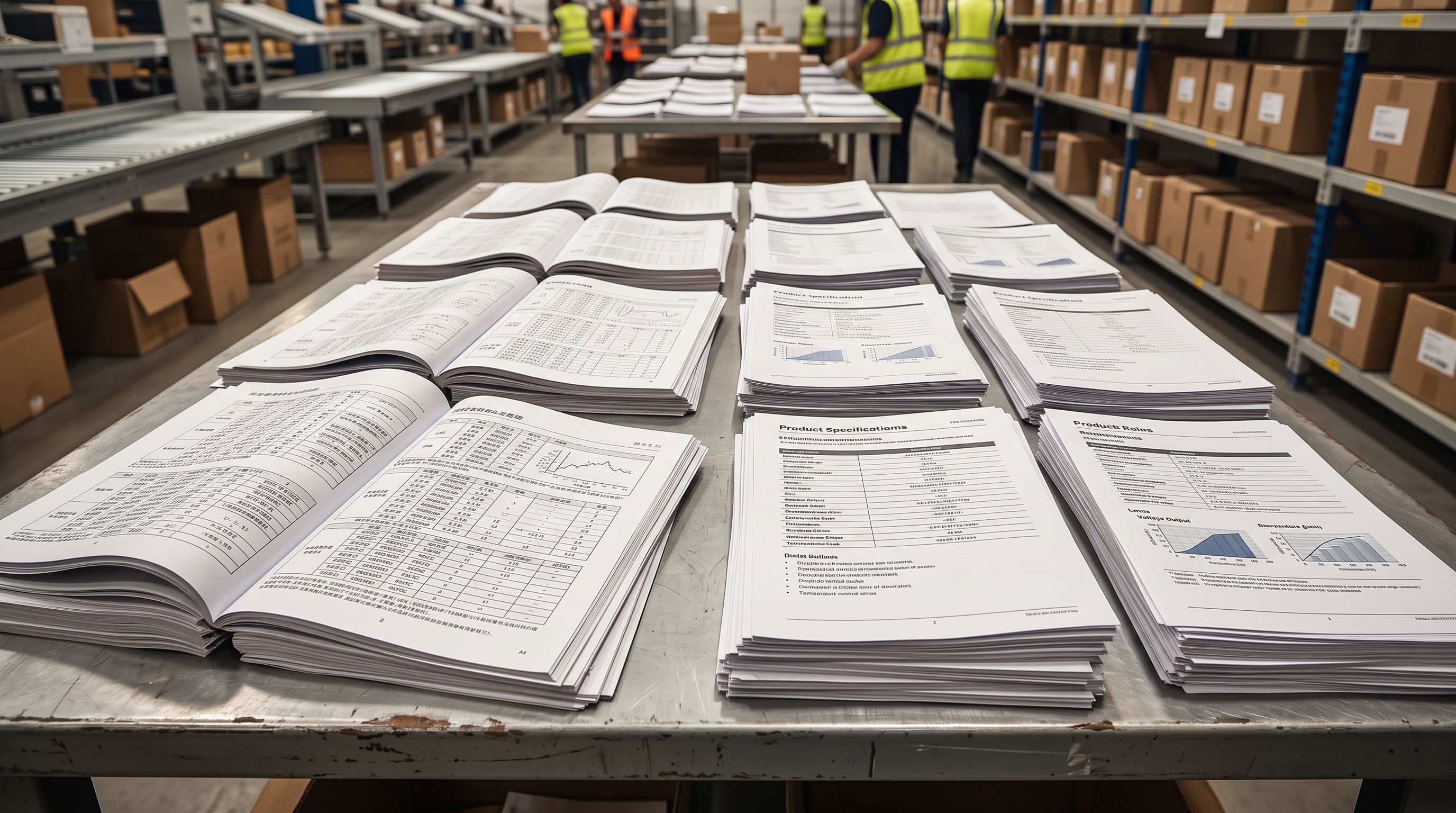
**Machine-translated English:** the seller used an automated translation tool to convert their Chinese description to English. The result contains grammatically incorrect sentences, misused technical terms ("it can bear 50 kg loadings"), and Chinese measurement conventions converted incorrectly. The description is technically in English but would undermine a professional-looking Shopify store.
All three problems have the same fix: generate AI descriptions from the product's structured data, bypassing the seller's text entirely.
## What the Import Actually Captures for Each Product
Before fixing the descriptions, it helps to understand what structured data Importier did capture correctly from each AliExpress listing, regardless of description language.
AliExpress listings consistently provide:
- **Product title** in English (the international search title, required by AliExpress platform rules)
- **Variant options** in English (size, colour, material; AliExpress standardises these for international buyers)
- **Price** in the merchant's configured currency
- **Product images** (per-variant when per-variant scraping is enabled)
- **Barcode/EAN** where the seller has registered one
What varies by seller language setting:
- **Description body** (the long-form text description, which is where Chinese content appears)
- **Specification tables** (some sellers fill these in Chinese, others in English)
The structured data that came through correctly is enough to generate accurate, brand-appropriate product descriptions. The AI description generator does not need the seller's description text. It uses the product title to understand what the product is, the variant options to understand its range, and the configured persona and description style to write appropriate copy. A product titled "Natural Bamboo Cutting Board with Juice Groove 38x28cm" with colour variants "Natural" and "Walnut" gives the AI enough to write a complete, accurate description. The seller's Chinese text is irrelevant.
## Identifying Which Products Need Description Replacement
For a 280-product import, visually checking every product is not practical. Two methods efficiently identify which products have Chinese or unsuitable descriptions.
**Method 1: Shopify admin description review with filters.** In the Shopify admin Products section, the merchant can sort by "Last updated" to see the recently imported batch at the top. For each product in the batch, the description preview column shows the first line of the description body. Chinese characters are visually obvious at a glance. This works for batches of 50-100 products but becomes slow for larger imports.
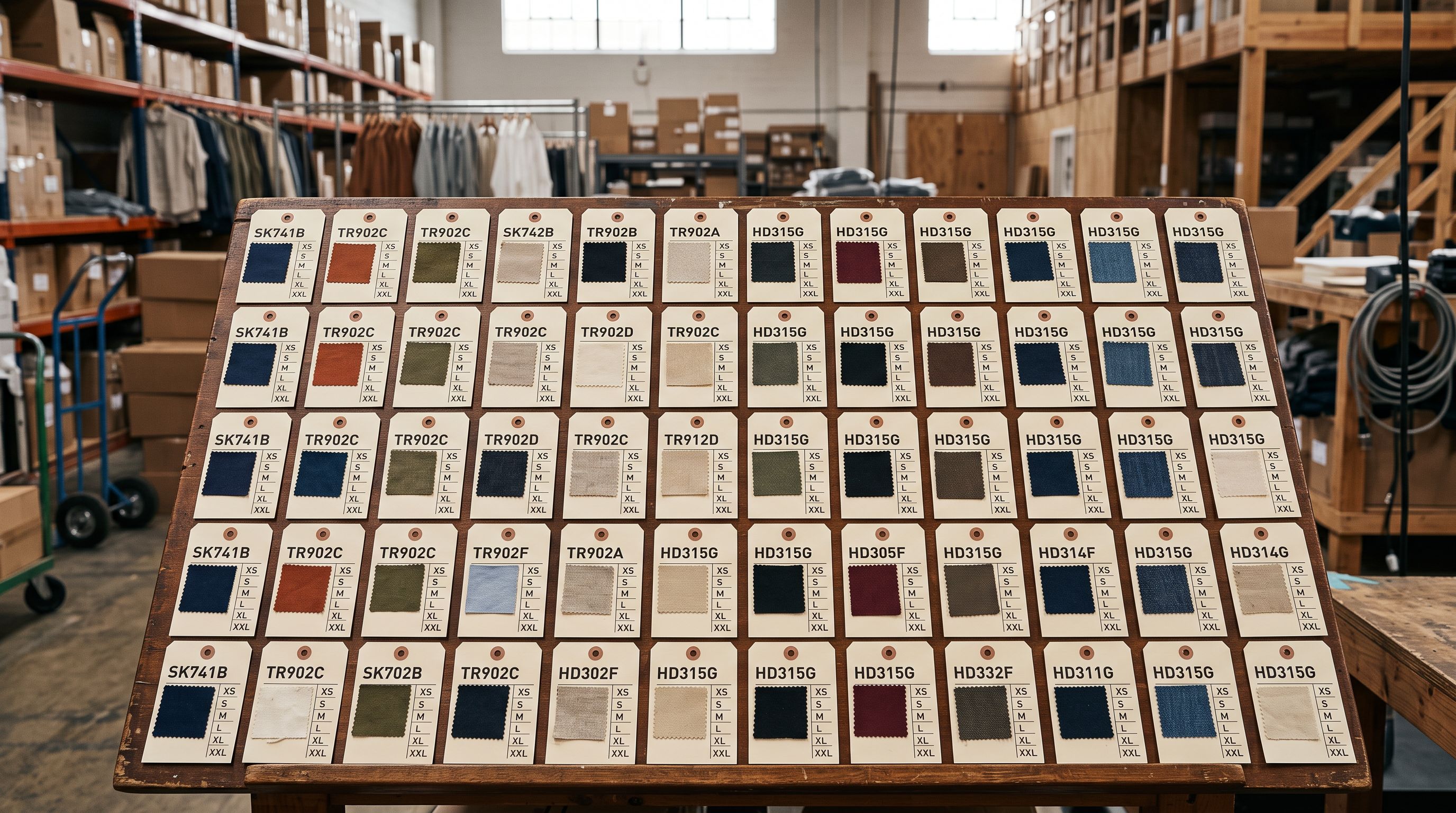
**Method 2: Export and inspect.** Export all products or the recently imported batch from Shopify admin as a CSV. In the exported CSV, the Body HTML column contains the full description. Open the file in Excel or Google Sheets, sort by Body HTML, and Chinese-character descriptions will cluster together (Chinese Unicode characters sort after standard Latin characters). This approach handles hundreds of products in minutes.
A third signal: description character count without meaningful word count. Chinese text can produce a high character count (100+ characters) while containing zero English words. A description that is 200 characters long but does not contain common English words ("the", "and", "with", "for") is almost certainly not English. Sorting by this criterion in a spreadsheet identifies mixed and fully-Chinese descriptions efficiently.
## Why AI Generation Works Well for AliExpress Products With Chinese Descriptions
The AI description generator is the correct fix for this problem, but understanding why it works helps merchants generate better output.
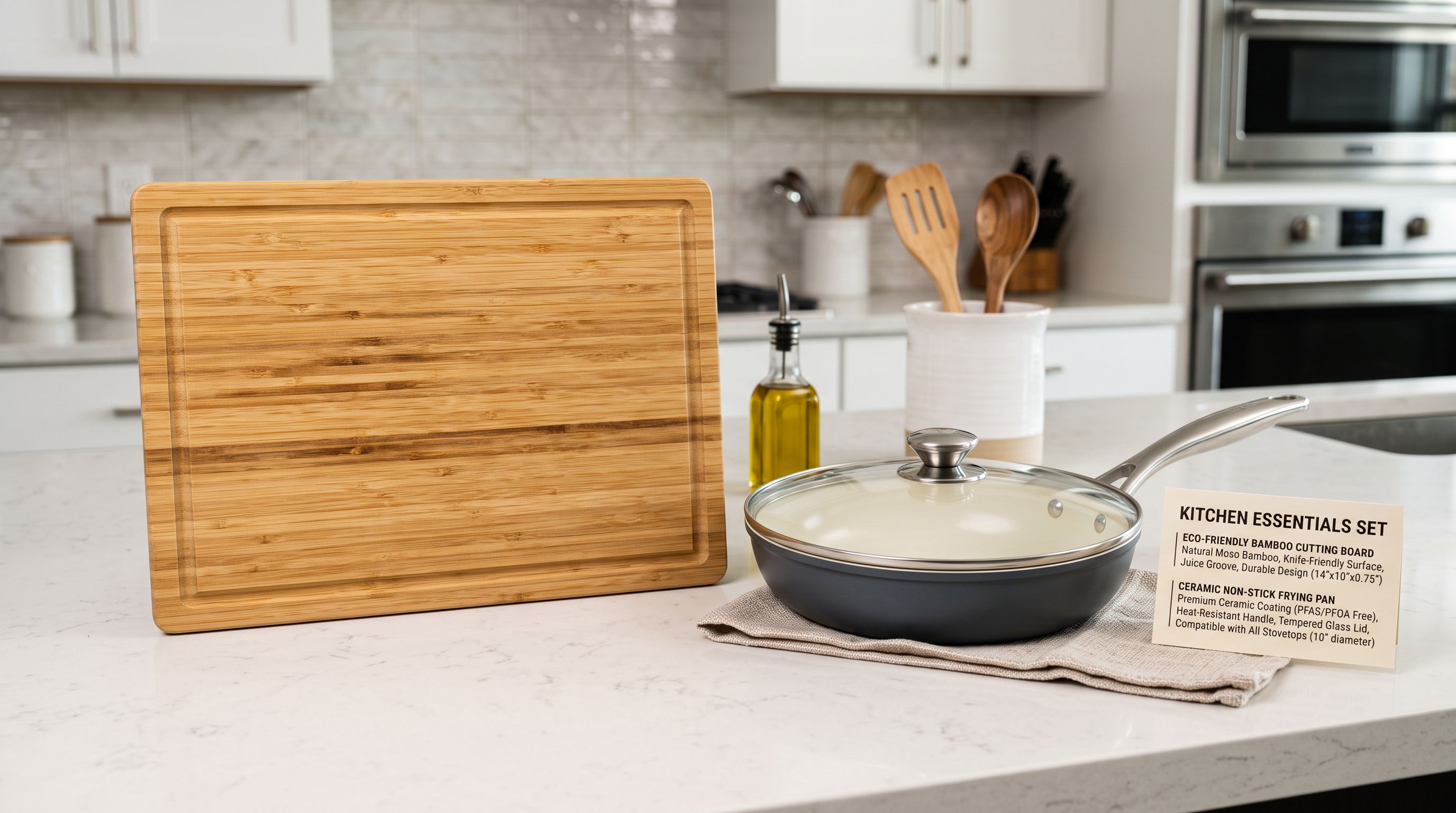
AliExpress product titles follow a consistent international format: product category, key feature, size or capacity, material if relevant. "Ceramic Non-stick Frying Pan 28cm Induction Compatible" is a title that contains the category (frying pan), the key feature (non-stick ceramic coating), the size (28cm), and a compatibility note (induction). This is enough information for an AI description generator to produce accurate, specific copy without the seller's description text.
Choosing the right persona helps. For the 280-product home goods import, a persona from the Home Decor, Kitchenware, or Lifestyle category in Importier's 156 expert personas produces descriptions with the appropriate vocabulary and register for that product type. A kitchenware persona knows that a non-stick pan's key selling points are heat distribution, low-maintenance cleaning, and cooking surface durability. It structures the description accordingly without being told.
The enrichment context field adds precision. If the merchant's store targets Australian buyers, adding "Australian audience, Australian cooking measurements and standards" to the enrichment context field prompts the AI to write in Australian English, reference cup measurements rather than metric-only, and use terminology familiar to Australian buyers rather than the US or UK market. For the AliExpress bamboo cutting board product, "Australian food safety standards, suitable for commercial and home kitchen use" adds relevant context that the seller's Chinese description would never have provided anyway.
The AI description generator ignores the seller's Chinese text entirely. It writes from the product title, variants, and configured persona, which means AliExpress products with Chinese descriptions often get better AI-generated copy than they would have received from the seller's English translation.
According to [Shopify's guidance on multilingual storefronts](https://help.shopify.com/en/manual/markets), product content is one of the primary translation workstreams for merchants expanding into new markets. For merchants who imported AliExpress products with Chinese descriptions and later decide to serve Chinese-speaking markets, the correct approach is to generate separate Chinese descriptions using Importier's Brand Voice language setting, not to keep the original Chinese descriptions that came with the import, which were written for a domestic Chinese audience rather than international buyers.
## Preventing Chinese Descriptions on the Next Import
For merchants who regularly import from AliExpress, understanding which sellers produce Chinese descriptions helps target the re-description step more efficiently.
**Filter by seller:** AliExpress sellers who have produced Chinese descriptions on one import will produce them again on subsequent imports. Making a note of which sellers or store sections generate Chinese-language content tells the merchant to plan a Store Scanner run after every import from those sources.
**Use per-variant scraping selectively:** Importier's per-variant scraping visits each variant page individually to capture per-variant barcodes and images. Sellers who have Chinese descriptions will have the same Chinese description on every variant page. Per-variant scraping does not produce different description content than standard scraping for these sellers. For sellers known to produce Chinese descriptions, running AI description generation after import is more reliable than trying to find a variant page with English content.
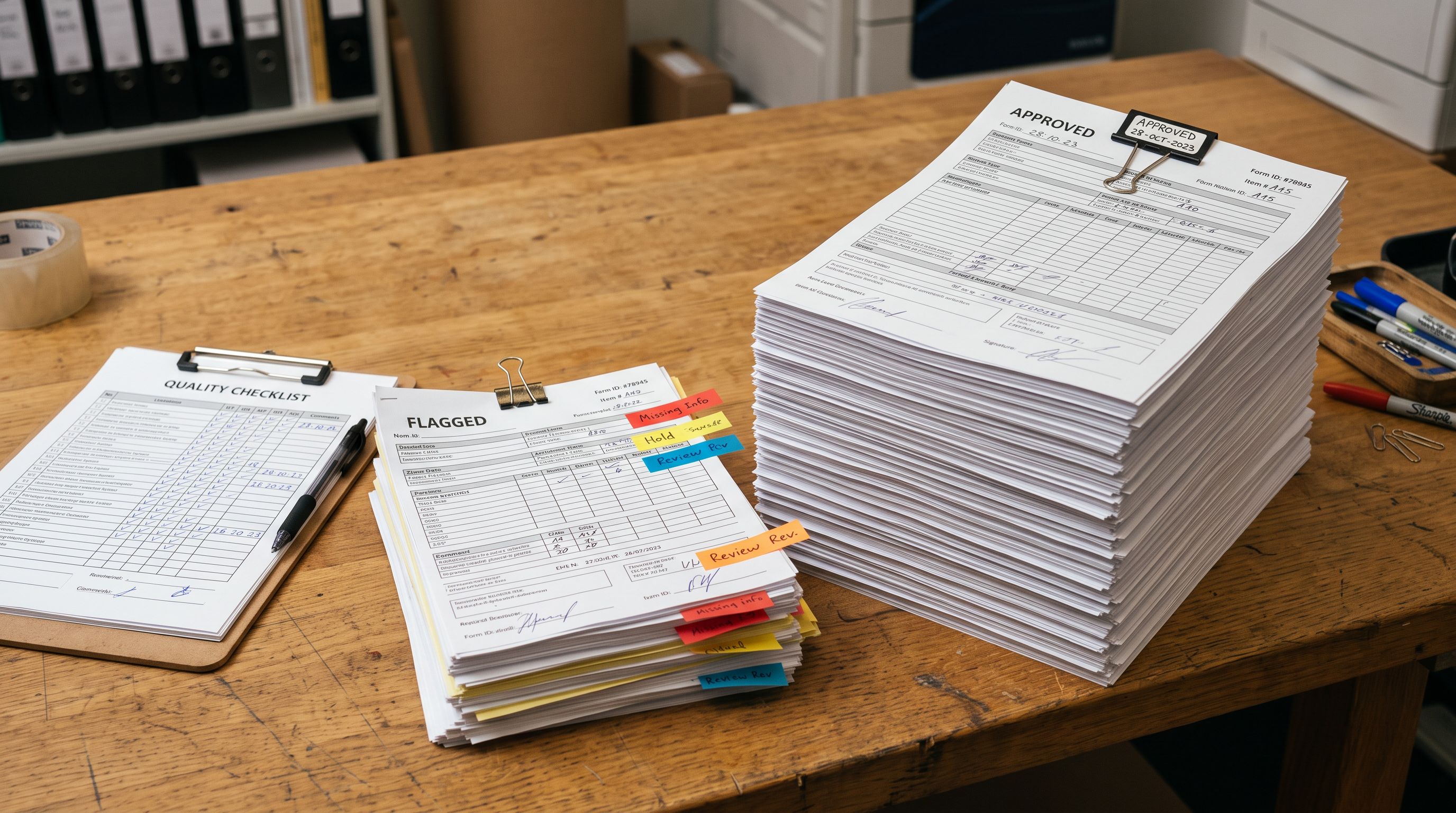
**Apply AI description generation to the full import batch immediately:** rather than auditing after import, the merchant can set a workflow: every AliExpress import batch gets a Store Scanner pass before products are made active. The [Store Scanner](https://www.importier.app/blog/shopify-store-scanner) runs on the collection containing the new imports, replaces descriptions, and the merchant activates products only after that pass completes. This treats AI description generation as a standard step in the AliExpress import workflow rather than a remediation step.
As [Shopify's product import documentation](https://help.shopify.com/en/manual/products/import-export/import-products) notes, product descriptions are one of the fields most likely to require editing after import from third-party sources. For AliExpress imports specifically, treating the description as always requiring replacement (rather than reviewing each product individually) eliminates the audit step and simplifies the workflow.
## Key Takeaways for AliExpress Product Descriptions on Shopify
AliExpress seller language settings vary widely. Chinese descriptions, mixed Chinese-English content, and machine-translated English are all common in AliExpress import batches. AI description generation from structured product data is a faster and more consistent fix than manual review.
- **Export and sort to find affected products:** sort the exported CSV's Body HTML column to cluster Chinese-character descriptions together. This identifies the full scope of the problem before starting any fix.
- **AI description generation ignores seller text:** Importier's AI generates from the product title, variant options, category, and configured persona. Chinese description content is not used as input. For AliExpress products, this produces more accurate and brand-appropriate copy than the seller's original text would have provided.
- **Use Store Scanner with a collection filter for the batch:** tag affected products or add them to a dedicated collection, then use [Store Scanner](https://www.importier.app/blog/shopify-store-scanner) to run batch replacement on just those products without touching the rest of the catalogue.
- **Add enrichment context for target market:** the enrichment context field in Store Scanner lets the merchant specify the target audience. "Australian buyers, home kitchen use, Australian food safety standards" produces more relevant descriptions than letting the AI infer the market from the product title alone.
- **Make AI description generation a standard step for AliExpress imports:** rather than auditing after each import, run Store Scanner on every AliExpress batch before activating products. This converts a variable-quality process into a consistent one.
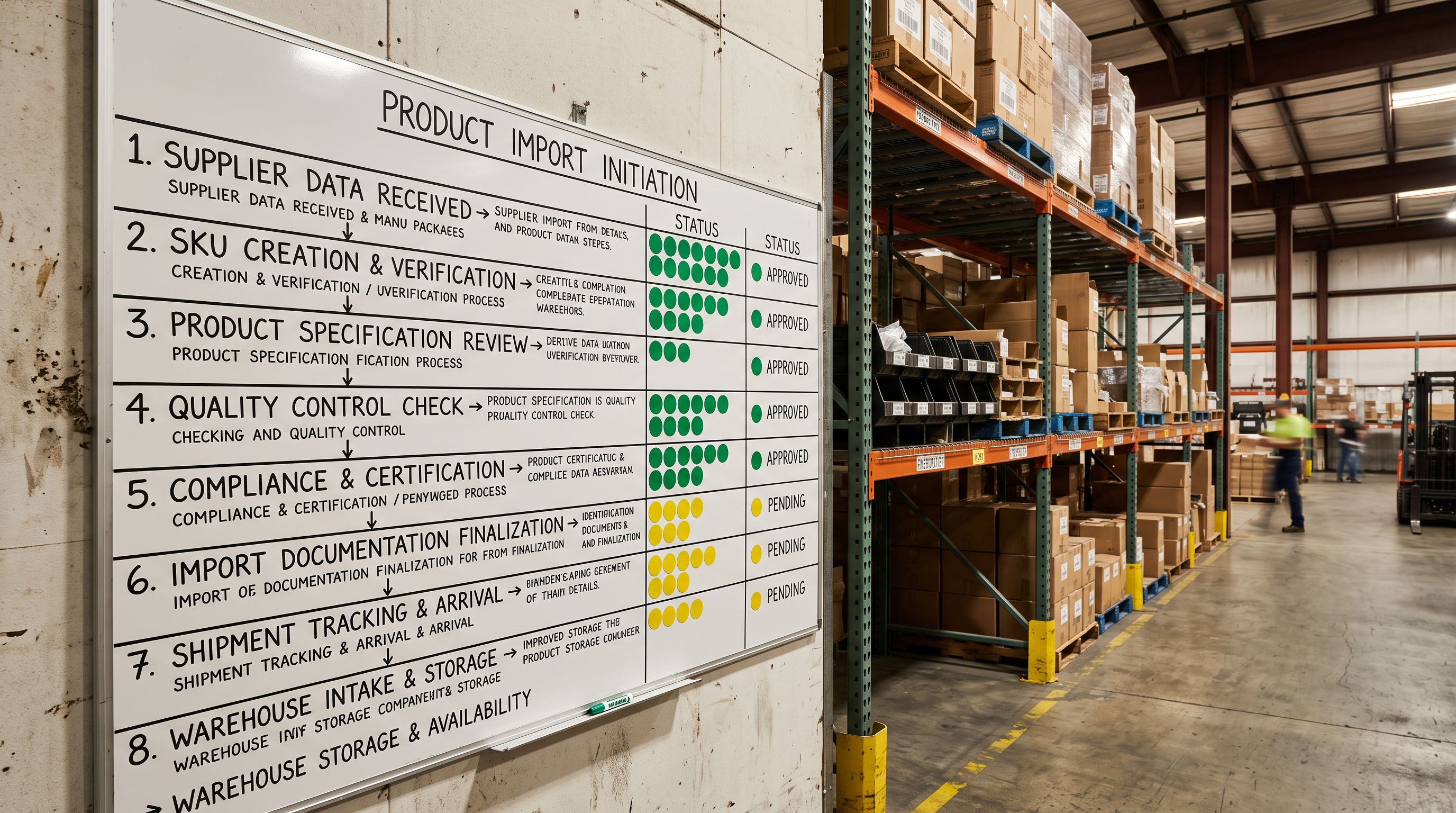
Replace Chinese supplier descriptions with AI-generated English copy at [importier.app](https://importier.app).