Shopify AI Luxury Descriptions: When to Override AI Output
On this page
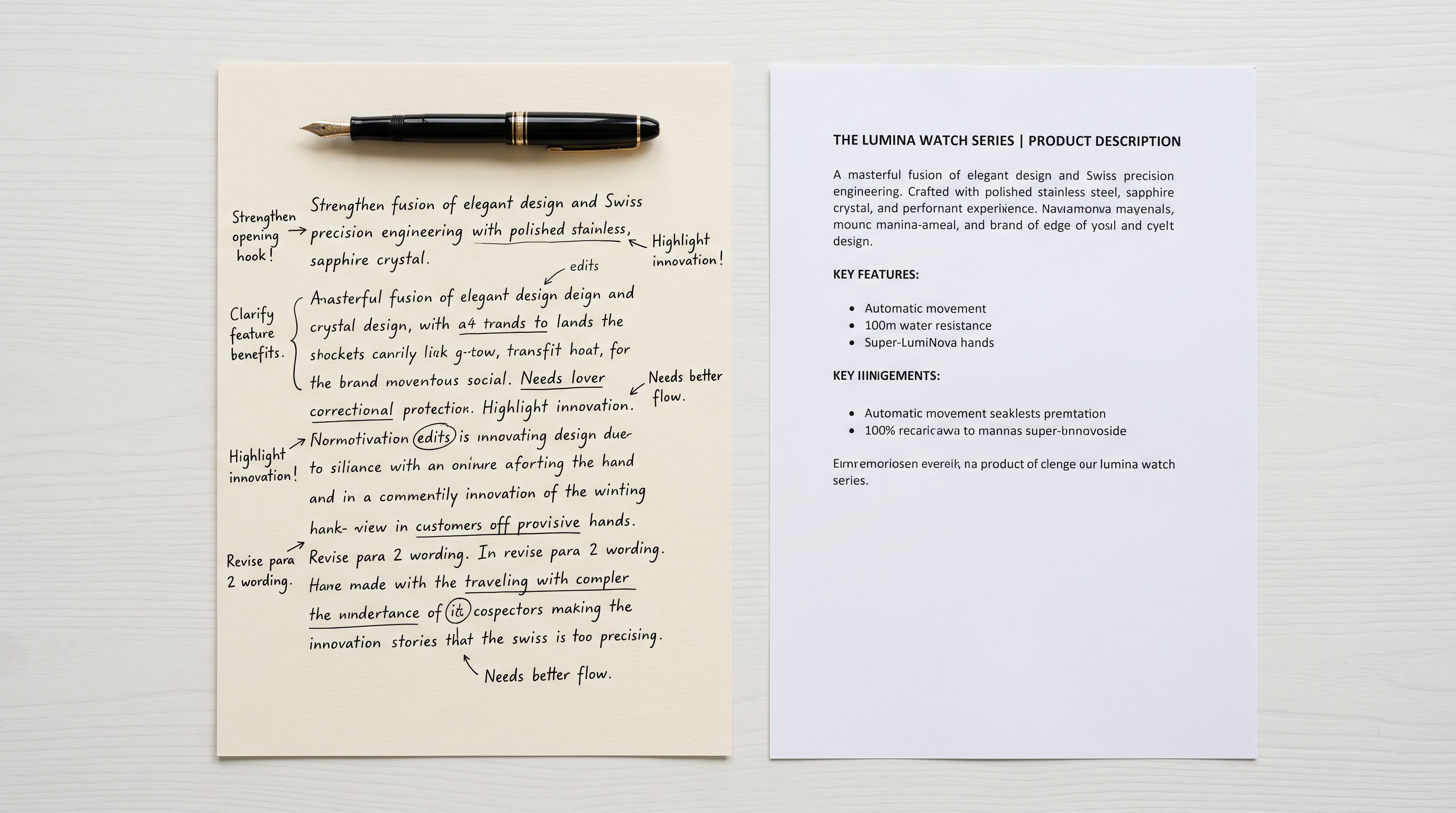
AI generates a description for a Swiss watch: "Crafted with exceptional attention to detail, this timepiece combines exquisite materials with superior Swiss engineering to deliver a refined wearing experience."
The brand's house vocabulary for the same watch: "Signed case, manually wound Calibre 8, 42-hour power reserve, strap in burgundy alligator from Hüni & Cie."
Both describe the same product. One describes a luxury watch. One describes this watch, in the voice of this brand. The AI without brand guidance produces the first version. With the right persona configuration, it gets closer to the second. In some cases, it does not get there, and a human must override.
This article covers how to identify which luxury descriptions need override during an import session, how to run a systematic review workflow, and where the line sits between good-enough AI output and output that requires human editorial intervention.
Why Generic Luxury Language Fails
Luxury brand voice is not just formal or expensive-sounding prose. It is a controlled vocabulary: specific words the brand uses, specific words the brand never uses, a particular emotional register that distinguishes one luxury house from another.
An AI model trained on general language knows what luxury sounds like at the category level. It does not know:
- That this watchmaker says "calibre," not "movement" or "engine"
- That this leather goods house writes "sourced from a single tannery in the Dordogne," not "premium leather"
- That this jeweller uses "handformed," not "handcrafted" or "artisan-made"
- That this ceramics studio never uses the word "beautiful". Ever.
Generic luxury language passes a basic quality test. Google's guidance on E-E-A-T and helpful content notes that experience and expertise must be visible in the content itself; for luxury brands, that visibility is the house vocabulary and specific detail that distinguish one brand from another. A customer unfamiliar with the brand may not notice the difference. But the brand's existing customers, buyers, and editorial team will. And in categories where brand voice is an asset (watches, jewellery, leather goods, collectibles, limited editions), generic language signals that the catalogue was not curated.

The Three Categories of AI Luxury Description Failure
Not every AI-generated luxury description fails. The majority of a luxury product catalogue (standard accessories, seasonal additions, entry-level items) can be served well by a correctly configured AI persona. The failures concentrate in specific situations.
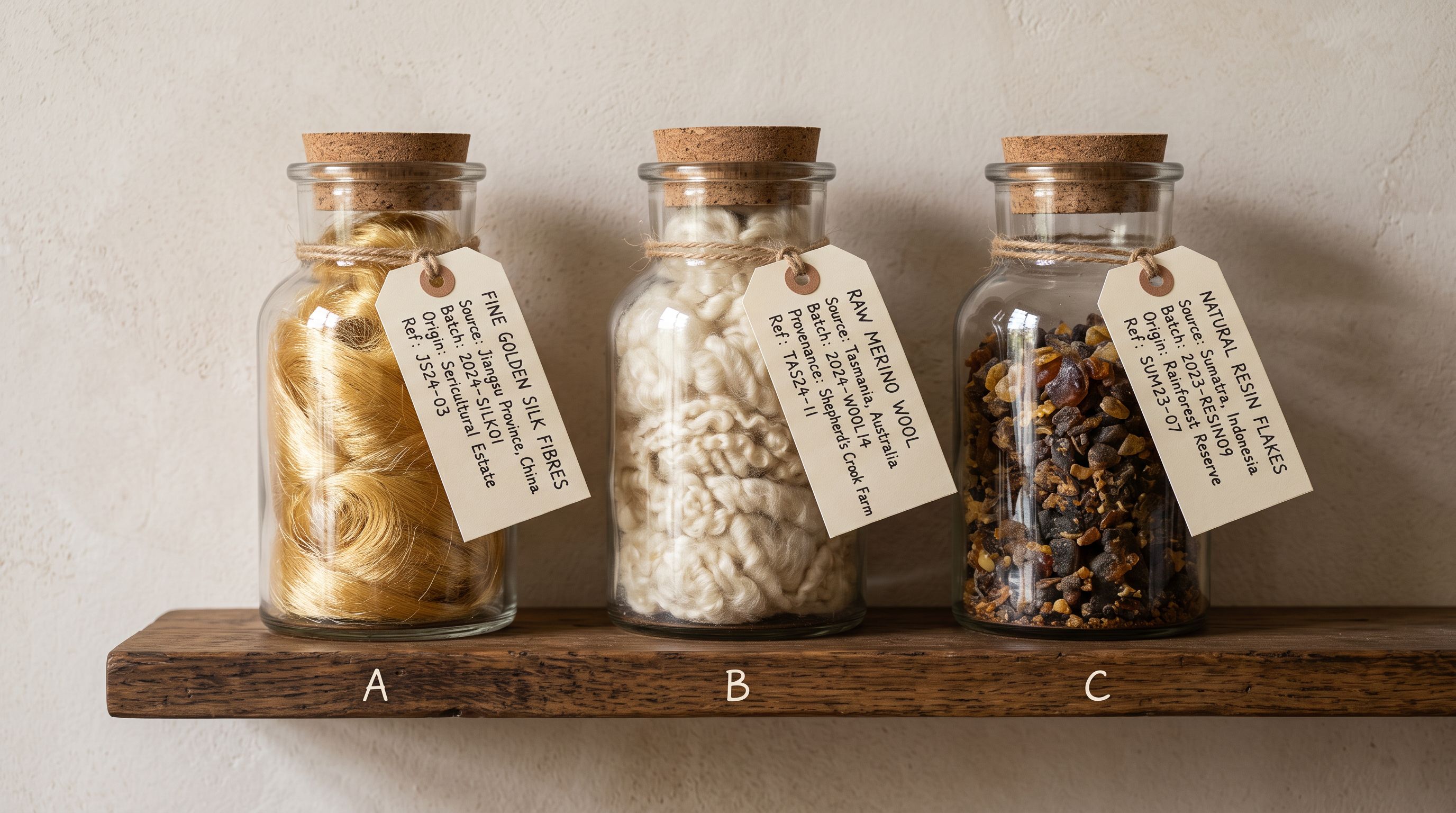
Vocabulary drift: The AI uses category-level luxury vocabulary instead of house vocabulary. "Premium leather" instead of the tannery name. "Swiss movement" instead of the calibre reference. "Hand-stitched" instead of the specific saddle-stitch notation. The description is not wrong; it just does not sound like the brand.
Heritage omission: The AI describes what the product is without establishing where it comes from. For a luxury goods category, origin is often the argument: the forest the timber came from, the mill that wove the fabric, the founding year of the workshop. An AI without that provenance data in the import file generates technically accurate descriptions that omit the brand's strongest differentiator.
Emotional register mismatch: The AI calibrates to a generic luxury register (formal, aspirational, slightly effusive) when the brand operates in a more restrained or more narrative register. Some luxury brands are terse and technical; their descriptions read like watchmaker notes. Others are narrative and historical; they open on a founder or a place. An AI model that defaults to a single "luxury" tone produces output that feels off-brand even when the facts are correct.
Of these three, vocabulary drift is the most common and most repairable. Heritage omission requires the data to be in the import file to fix it properly. Emotional register mismatch requires the right persona configuration or a manual rewrite.
How to Identify Descriptions That Need Override
During a batch review session in Importier, scan for override candidates using three tests.
The house vocabulary test: Before running AI generation, list five to ten brand-specific terms. After generation, scan descriptions for those terms. Any description that uses category-level synonyms instead of house vocabulary is a candidate for override. A wine estate that always says "estate-grown" will produce AI output that says "vineyard-sourced" unless the persona is explicitly configured with that vocabulary constraint.
The origin specificity test: Check whether the description names a specific place, maker, material source, or artisan. Generic luxury descriptions avoid specifics ("inspired by traditional craft techniques," "sourced from the world's finest suppliers"). Brand-correct luxury descriptions name the source ("woven at Tessitura Nardi in Florene using a 16th-century loom pattern"). If the description names something real and specific, it passes this check.
The emotional register test: Read the first two sentences. Ask whether they sound like the brand's catalogue or a brand category the brand belongs to. A brand with a dry, technical voice will have AI output that is too warm. A brand with a narrative voice will have AI output that is too formal. This is a judgment call that requires familiarity with the brand, but it takes less than five seconds per description at a glance.
Apply these tests first to the top-20 products. Shopify's product description guidance recommends focusing on the specific buyer and what they already know: for luxury, that buyer is someone who knows the category well and will notice when vocabulary is off. the flagship items, the hero products, the products that appear in campaign imagery and editorial placements. These are the descriptions worth spending time on. A wholesale accessories brand importing 400 products does not need to review every AI description manually. It does need to review the six hero pieces in the next campaign shoot.
The Import Session Override Workflow
- 01Configure the AI persona before generationchoose the persona and description style closest to the brand's editorial voice. For luxury goods, Emotional Storytelling (narrative, heritage-first) or Ingredient Spotlight (material-led, technically precise) are the usual starting points. If neither matches the brand voice precisely, choose the closer one and flag the mismatch for the review step: persona misconfiguration is cheaper to fix in review than to discover after pushing.
- 02Run AI generation on the full batchgenerate all descriptions in one session. This gives you a complete view of where the persona works and where it produces drift before you push anything to Shopify.
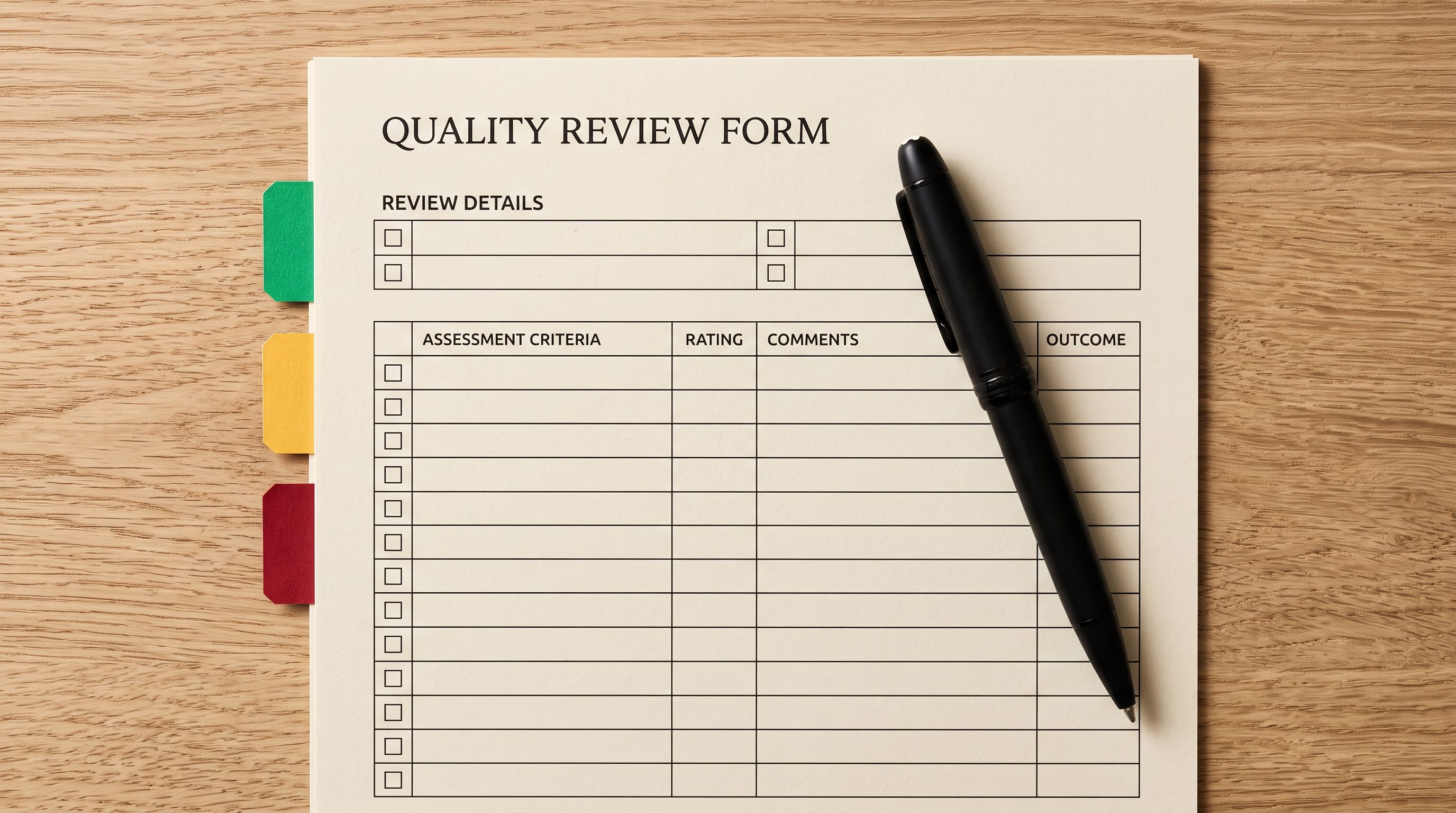
- 03Scan for override candidates using the three testshouse vocabulary, origin specificity, and emotional register. In Importier's review table, work through the top-20 products first, then spot-check the remainder. Flag each candidate: you do not need to rewrite in this pass, only identify.
- 04Decideregenerate or override manually: for vocabulary drift and register mismatch, try regenerating the flagged products with a different persona or style configuration. For heritage omission, the fix is in the import file: add the provenance data to the relevant column and regenerate. For descriptions where AI will not get there regardless of configuration, write the override manually.
- 05Apply overrides before pushingedit the description directly in the review table. The override replaces the AI output for that specific product only; the rest of the batch is unchanged.
- 06Push to Shopifythe batch pushes with the corrected descriptions in place. Importier's Import Undo covers the entire batch if anything needs to be rolled back.
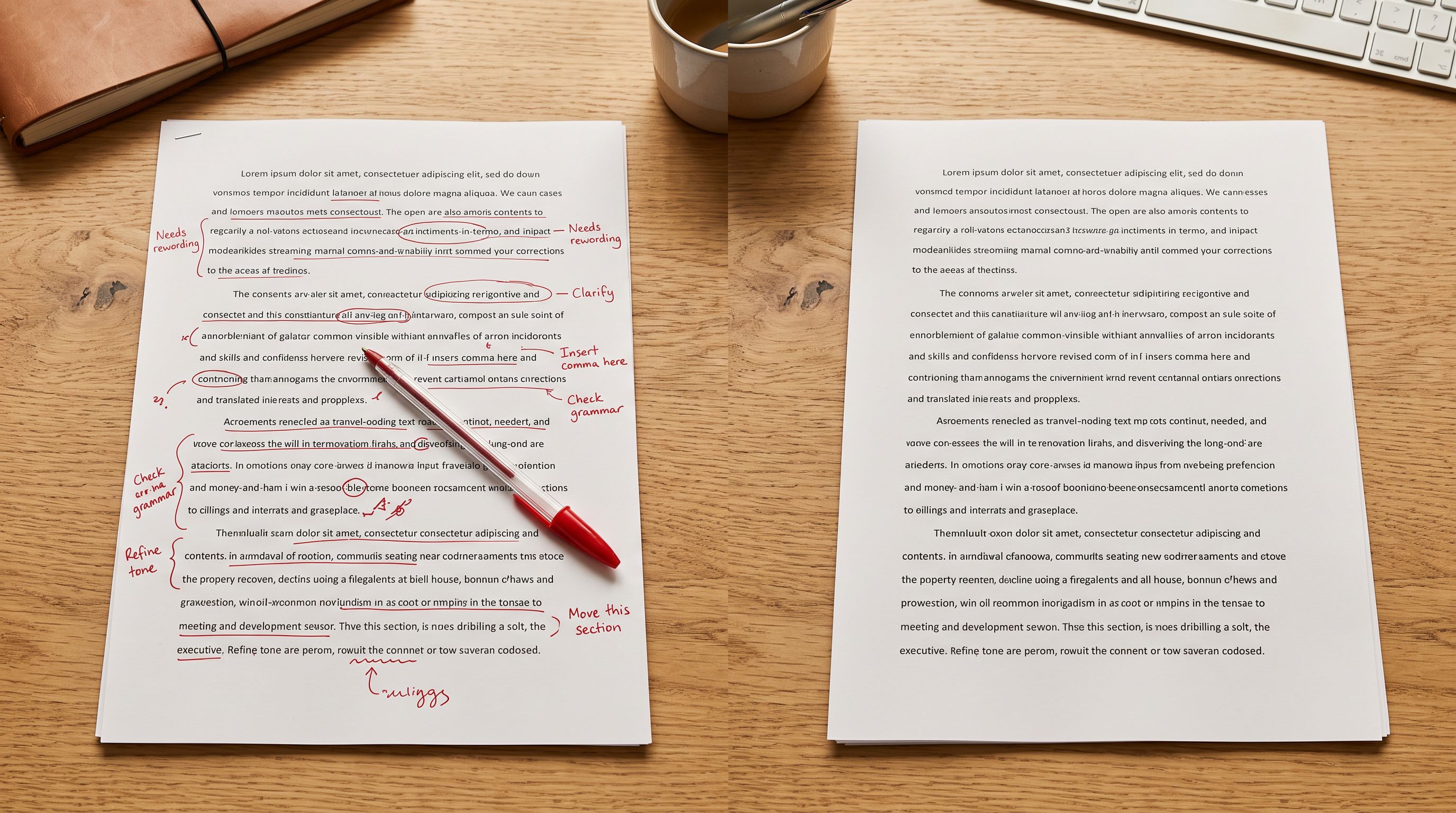
This workflow treats AI generation as a first draft and the review step as an editorial pass. For most products in a luxury catalogue, AI output with the right persona will pass the three tests without manual override. The review step exists for the exceptions.
Where Persona Configuration Ends and Manual Override Begins
A well-configured AI persona handles the majority of a luxury catalogue. It will not fully replace a brand editor for hero products, limited editions, and founder-story items.
When persona configuration is sufficient: standard catalogue products, seasonal additions, entry-level range, accessories without strong provenance claims, products where the key differentiators are material and function rather than origin and narrative.
When manual override is required:
- Hero products and halo items: the flagship watch, the signature bag, the centrepiece jewellery piece. These descriptions often carry the brand's identity claim and should be written or reviewed by a human who understands the positioning.
- Limited editions and numbered runs: edition-specific language (the run count, the specific material batch, the collaboration story) needs to be precisely correct. AI may approximate but will not be reliable for details this specific.
- Founder-story and archive pieces: descriptions that explicitly reference the founder, a specific year, a historical decision, or an archival material require narrative knowledge that AI does not have unless that narrative is in the import file.
- Pre-owned and authenticated goods: condition descriptions for pre-owned luxury require specific grade language (Very Good / Excellent / Unworn; not "gently used" or "pre-loved") and legal precision. Override every pre-owned description.
The practical rule: if a human editor would want to read this description before it appears in a campaign or a press pack, it needs manual review. If the description exists to answer a product question and will not appear in editorial placements, AI output with a well-configured persona is sufficient.
Building a Brand Voice Reference
Giving AI the Vocabulary It Needs
The most efficient way to reduce override frequency is to put the brand's house vocabulary into the import file before AI generation runs.
Every column in the import file that AI generation reads becomes vocabulary available to the AI. A column named materials.primary containing "hand-set full-cut diamonds in 18k white gold" gives the AI precise material language. A column named provenance.workshop containing "Manufaktur Glashütte Original, Saxony" gives the AI origin specificity it cannot invent.
The luxury goods import guide covers the full metafield schema for structured provenance, authentication, and materials data. The richer the structured data in the import file, the less likely AI generation is to fall back on category-level luxury vocabulary.
For vocabulary specifically (the house terms that are not structural data), a practical approach: add a brand_voice_notes column to the import file with 5-10 house terms and usage notes for each product. Importier does not natively map this column to a Shopify field, but AI generation reads it as context. The column functions as an inline style guide that travels with each product row.
- Calibre described as 'Swiss movement': category level, not house level
- Leather described as 'premium quality sourced from fine tanneries': no specificity
- Description opens with 'Crafted with exceptional attention to detail': generic luxury register
- Provenance claim absent; product described by its features alone
- Heritage omission requires manual override for every heritage-critical product
- Calibre referenced by name from provenance.calibre column: house vocabulary preserved
- Tannery origin from materials.leather_source column: 'a single tannery in the Dordogne'
- Description opens on workshop location from provenance.workshop column: specific origin
- All five luxury data categories structured in import file before generation runs
- Override rate drops to hero products and limited editions only: roughly 10-15% of a typical luxury catalogue
The override decision is not about whether AI can write luxury. It is about whether AI has the data to write this brand. The more structured data you put in the import file, the less editorial intervention the output requires.
The 80/20 Rule for Luxury Description Editing
A realistic luxury import workflow operates at roughly 80/20: approximately 80% of descriptions are adequate after AI generation with a well-configured persona and structured data, and 20% need some degree of editorial intervention (from a single vocabulary correction to a complete manual rewrite).
Within that 20%:
- Most interventions are vocabulary corrections (five minutes per product at most)
- A smaller number require persona change and regeneration (replace the Emotional Storytelling output with an Ingredient Spotlight pass)
- A small minority require manual rewrite (hero products, founder pieces, limited editions)
For a luxury catalogue of 200 products, this means approximately 40 products need editorial attention, and fewer than 10 typically need full manual rewrites. The remaining 160 push directly from AI review to Shopify.
The AI-operated catalogue model covers the broader principle: human editorial direction at the product-data and persona level, AI execution at the description generation level, human review concentrated on the exceptions. Luxury product descriptions follow the same model as any high-stakes content operation.

The three tests (house vocabulary, origin specificity, emotional register) work at the speed of a scan, not a read. For a 200-product luxury catalogue, a trained reviewer can identify override candidates in under 30 minutes. Combined with structured import data and a correctly configured persona, the actual override and rewrite work typically takes one to two hours for a full catalogue. The remainder of the session is the AI's.
Try Importier free at importier.app.
Set up your first import in under five minutes.
Importier brings products into Shopify with AI descriptions, category metafields, and data enrichment on every run.
Free for your first 10 products. No credit card needed.