# Shopify AI Model Selection: Which Tier Fits Your Products
> Importier's 18+ AI models span four tiers. The tier you choose affects description depth and specification precision for different product categories.
- Published: 2026-08-14
- Author: Importier Team
- Category: Agentic Commerce / AI Product Descriptions
- Canonical: https://www.importier.app/blog/shopify-ai-model-selection
---
A sports equipment merchant working through Shopify AI model selection for their first Store Scanner pass chose the default model and ran it across 150 products: technical climbing gear, performance running shoes, and yoga accessories in one batch. The running shoe descriptions came back well-structured and accurate. The yoga accessory descriptions were solid. The climbing gear descriptions had the correct product names and colours, but the technical specifications were thin: rope certifications were absent, fall ratings were not captured, kN load ratings were missing. Products that required specification-dense output got the same treatment as products where fluent lifestyle language was all that was needed.
When they re-ran the climbing gear with a Scale-tier model, the output included CE EN 892 certification references, rope diameter in tenths of a millimetre, and mass per metre for dynamic ropes. The same prompt, the same products, a different model tier.
## What the Four Model Tiers Mean for Descriptions
Importier's 18+ AI models are grouped into four tiers: Starter, Growth, Scale, and Enterprise. The tier determines the model's reasoning depth and its ability to handle complex product data.
All four tiers produce grammatically correct, readable product descriptions. The difference is in specificity, attribute capture, and the handling of technical or regulatory language. For straightforward lifestyle product categories, a Starter-tier model produces results that are difficult to distinguish from a Scale-tier model. For technical, regulated, or specification-heavy categories, the difference is substantial.
The AI tier affects the depth of specification capture and the precision of technical language in generated descriptions. It does not change the description style, persona, or tone; those are separate settings configured independently of the model tier.
**Starter tier** includes models optimised for speed and throughput. They process product data quickly and produce clean, accurate descriptions for product categories where the key selling information is straightforward: name, primary material, colour, size, intended use. Starter tier produces excellent results for home goods, everyday apparel, basic accessories, and lifestyle products where persuasive language and benefit framing matter more than technical precision.
**Growth tier** adds meaningfully better contextual reasoning. Growth-tier models capture more attributes from the source data, handle multi-faceted product descriptions more accurately, and produce better output when the product has several distinct selling dimensions that all need to appear in the description. For most mid-range product catalogues, Growth tier represents the point where output quality is difficult to improve further.
**Scale tier** targets categories where technical specification is the primary purchase criterion. Electronics with detailed measurement parameters, industrial tools with performance ratings, medical equipment with clinical specifications. Scale-tier models handle complex attribute structures and produce denser, more specification-accurate output than Growth tier for these categories.
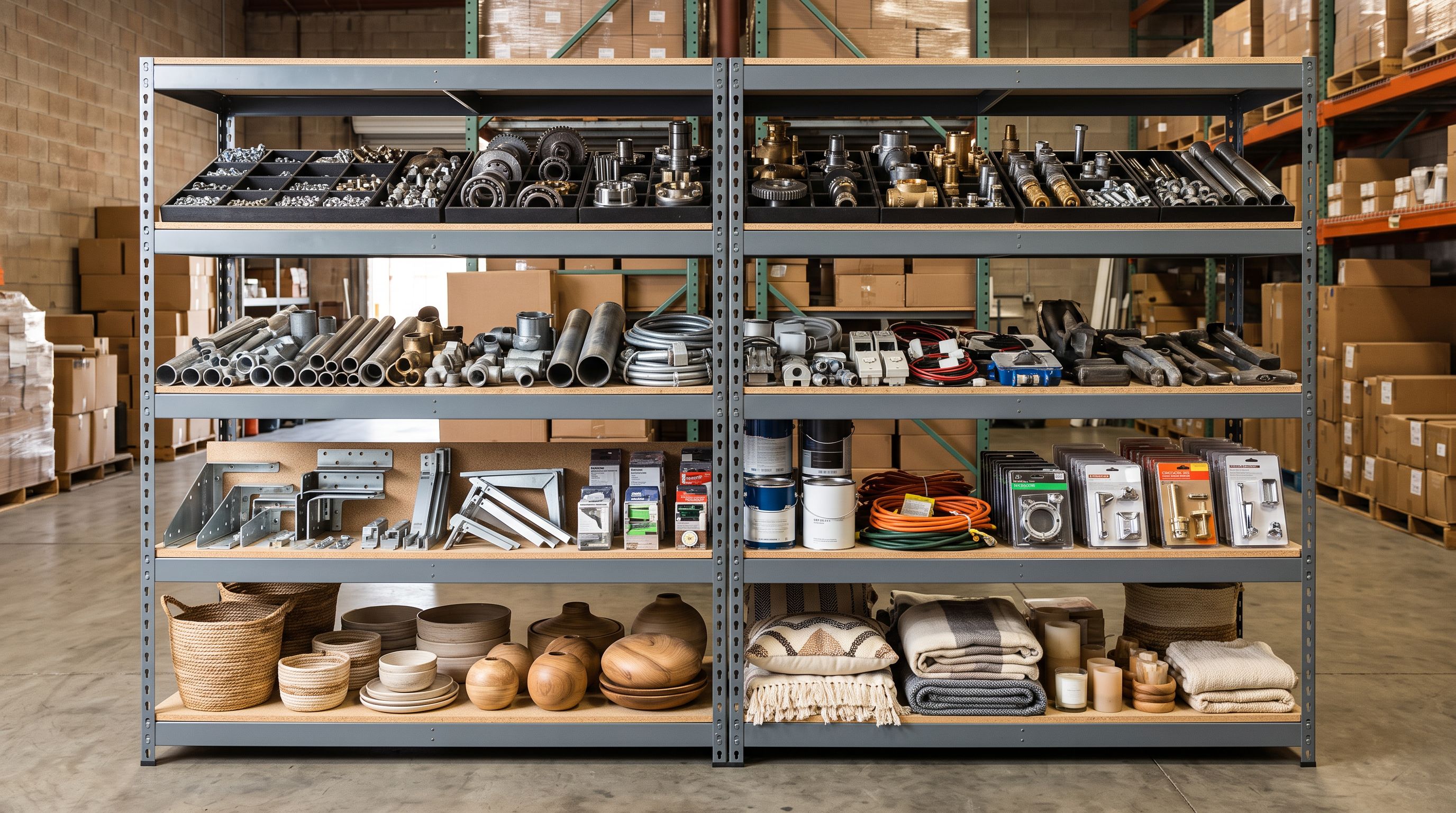
**Enterprise tier** is for the most demanding product categories: pharmaceuticals, medical devices, industrial safety equipment, regulated food supplements. These categories require precise regulatory terminology, exact specification formatting, and accurate citation of certification standards. Enterprise-tier models handle the complexity of these categories with the most reliable attribute capture of any tier.
## Which Product Categories Benefit From Each Tier
The clearest way to match tier to product is to ask: what does a customer need to read before they buy this product?
For catalogues that mix categories, run separate Store Scanner passes for each tier rather than one pass across the full catalogue. The same approach as filtering by collection or SKU pattern applies here: different product groups often need different model tiers, not just different description styles.
## Which Model to Choose Within a Tier
Each tier contains multiple models from different AI providers. The merchant sees these by provider name in the settings dropdown: Claude, GPT, Gemini, Llama, Mistral, DeepSeek, Grok, Amazon Nova, MiniMax.
For most product catalogues, any model within the appropriate tier produces comparable output quality. Tier selection matters more than provider selection for the vast majority of use cases. That said, some product characteristics do interact with specific model strengths.
**Claude models** (Growth through Enterprise tier) follow complex instructions reliably. If you are using Custom sections with specific formatting requirements, or have detailed Brand Voice rules that need to be applied consistently, Claude models tend to adhere to custom instruction sets with high fidelity. They are a strong choice when your description requirements are more structured than typical.
**Gemini models** (Starter through Scale tier) handle multimodal inputs effectively. When Importier's AI generates a description for a product that has been scraped from a marketplace URL with images, Gemini models use the visual content from those images alongside the text data. This produces descriptions that reference visual details not captured in the text attributes alone.
**Llama and DeepSeek models** (Growth and Scale tier) offer strong output for cost-sensitive catalogue operations. For merchants running large-volume Store Scanner passes across thousands of products, these models balance output quality with throughput.
**Amazon Nova models** (Starter tier) are particularly well-suited for catalogues oriented toward the US market and sold via Amazon alongside Shopify, where description format conventions align with Amazon's listing standards.
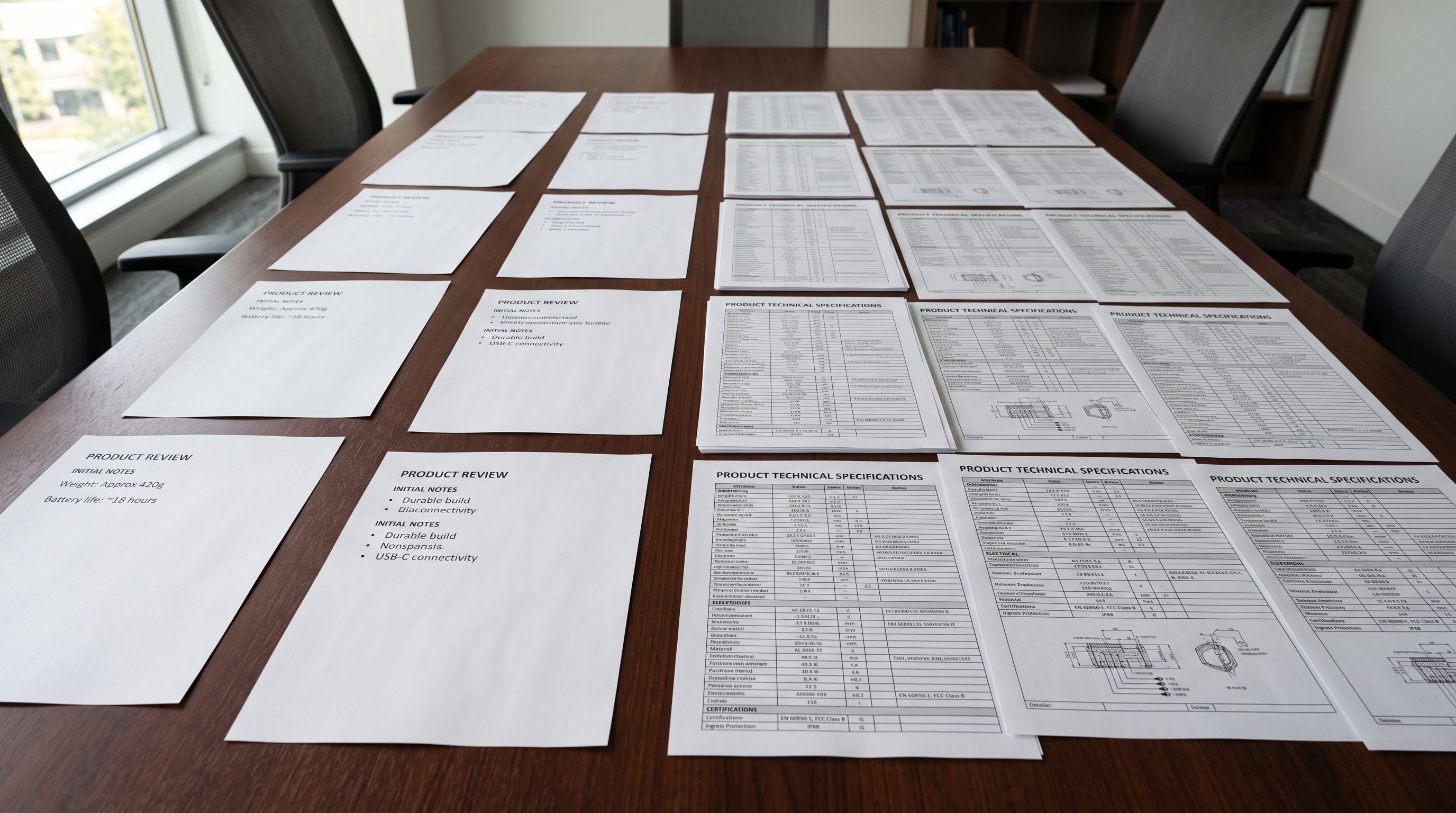
Tier selection is the most important model decision for output quality. Within the right tier, the specific provider matters far less than the merchant believes when they first see the model list.
## Running a Test Batch Before Committing
The most reliable way to find the right tier for your catalogue is to run a small test batch before committing to the full run.
Pick 10 to 20 products that represent the most challenging segment of your catalogue: the ones with the most complex specifications, the most specific technical requirements, or the most detailed buyer expectations. Run those products with a Starter-tier model, then re-run the same products with a Growth-tier model, then with a Scale-tier model.
The import preview shows all generated descriptions before any content is pushed to Shopify. Compare the outputs side by side. The decision about which tier to use for the full catalogue should come from that comparison, not from an assumption about which tier is appropriate.
If Starter-tier output is sufficient for your product category, there is no reason to use a higher tier. Starter models produce fast, cost-effective results for the large proportion of product categories where technical depth is not the primary purchase criterion.
## What Tier Selection Does Not Change
The model tier controls reasoning depth and specification capture. It does not affect the following settings, which are configured independently:
**Description style** (7 options: Standard, Technical Gadget, Emotional Storytelling, Benefits-First, Sensory-Rich, Ingredient Spotlight, Custom) is set separately from the model tier. A Starter-tier model using the Technical Gadget style produces a structured, attribute-focused description. A Scale-tier model using the Emotional Storytelling style produces a narrative description. The style determines structure; the tier determines depth within that structure.
**Persona** (156 expert personas across 43 industries) is configured independently. A Growth-tier model with the Orthopedic Specialist persona writes from a clinical perspective. An Enterprise-tier model with the same persona writes from the same clinical perspective with more precise terminology. Same persona, deeper output.
**Tone** (5 options: Professional, Casual, Persuasive, Luxurious, Technical) is set independently. Tone affects the register of the language; tier affects the technical precision within that register.
For a full overview of how persona selection interacts with description output, [Shopify AI product description personas](https://importier.app/blog/shopify-ai-product-description-personas) covers how to match industry personas to product categories. For tone configuration, [AI description tone settings](https://importier.app/blog/shopify-product-description-tone) explains when each of the five tones produces the strongest results for different merchant contexts.

Shopify's [guide to writing effective product descriptions](https://www.shopify.com/blog/8211135-9-simple-ways-to-write-product-descriptions-that-sell) identifies the key information customers use to make purchase decisions by category, providing useful context for deciding which specification depth a product category actually needs. For the relationship between description depth and Google Search visibility, [Google's Search Essentials](https://developers.google.com/search/docs/essentials) covers what makes content valuable to users and discoverable in search.
## Key Takeaways
The AI model tier you select in Importier determines how deeply the AI reasons about complex product data. Tier matters most for technical, regulated, and specification-heavy product categories. For lifestyle and straightforward product categories, Starter or Growth tier produces results that are difficult to improve with a higher tier.
- **Four tiers:** Starter (speed, cost-effective), Growth (better attribute capture, multi-dimensional products), Scale (specification-dense output for technical categories), Enterprise (precise regulatory and certification language).
- **Match tier to what customers need to read.** Lifestyle products: Starter. Multi-dimensional products: Growth. Technical spec-driven products: Scale. Regulated or certified products: Enterprise.
- **Mixed catalogues need separate passes per tier.** Run one Store Scanner pass per product segment rather than one tier across the full catalogue.
- **Tier matters more than provider.** Within the appropriate tier, Claude, GPT, Gemini, and other providers produce comparable output for most product categories. Choose the provider for specific strengths (instruction-following, multimodal, cost) only when those characteristics are relevant.
- **Always run a test batch first.** 10 to 20 representative products across 2-3 tiers gives you the data to make the right choice for the full catalogue.
- **Tier does not affect style, persona, or tone.** Those settings are configured independently and work with any model in any tier.
Choose the right model for your catalogue at [importier.app](https://importier.app).